
Psoriasis usually causes clearly defined, raised and scaly patches, while eczema more often causes intensely itchy, inflamed areas with less distinct edges and can sometimes blister, crust or weep during a flare-up. These differences can help you compare psoriasis vs eczema, but they are not a reliable way to diagnose yourself at home.
Look at the whole pattern: how the rash looks, how it feels, where it appears and how symptoms change over time. Both are chronic inflammatory conditions, both can cause itchy skin, and both can affect children and adults. They can also occur in the same person.
Psoriasis vs eczema – what are the key differences?
The key differences between psoriasis and eczema are usually found in the borders and surface of the patches, the pattern of itching or discomfort, their typical location and the age at which symptoms began. These are useful clues, not a diagnosis.
|
Feature |
Typical plaque psoriasis |
Typical atopic eczema |
|
Appearance |
Well-defined, raised skin plaques with visible scale, often silvery-white on light skin tones |
Dry, inflamed patches with less distinct borders; acute eczema may blister, crust or weep |
|
Sensation |
Itch is common; burning, soreness and painful cracks can occur |
Itch is often prominent and can disturb sleep |
|
Typical sites |
Elbows, knees and scalp are common |
Skin creases, including the inner elbow and behind the knees, are common |
|
Skin tone |
Plaques may look pink or red on lighter skin and more purple, brown or grey on darker skin |
Inflamed areas may appear red, purple, grey, brown, lighter or darker than surrounding skin |
|
Age of onset |
Can begin at any age |
Often begins in infancy or childhood, although adults can develop it too |
Age can provide another clue. Atopic dermatitis commonly begins in childhood, often in babies or young children, while psoriasis can first appear at many ages. Children can therefore develop either condition, and children can develop psoriasis too.
How do psoriasis and eczema differ in appearance?
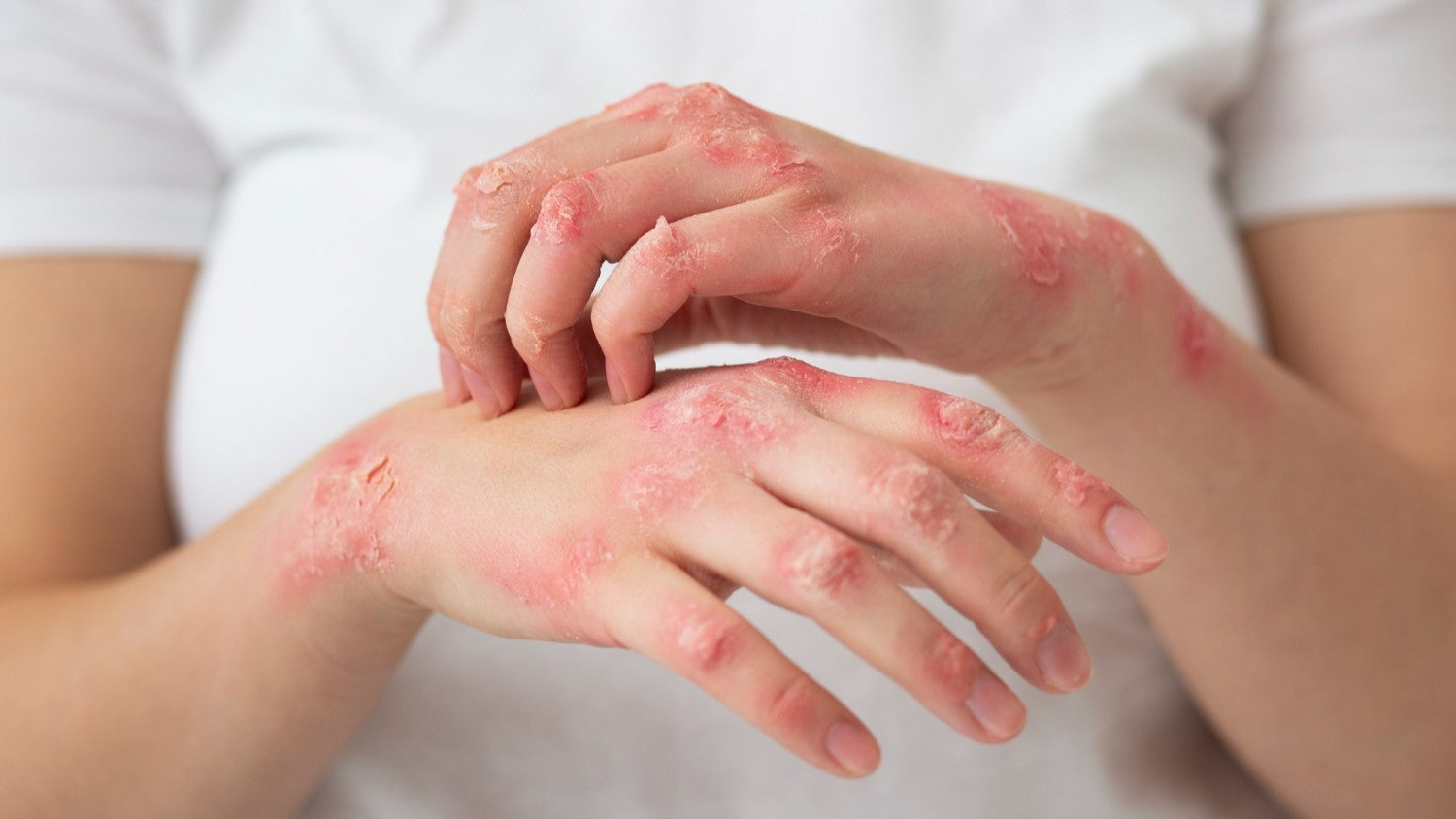
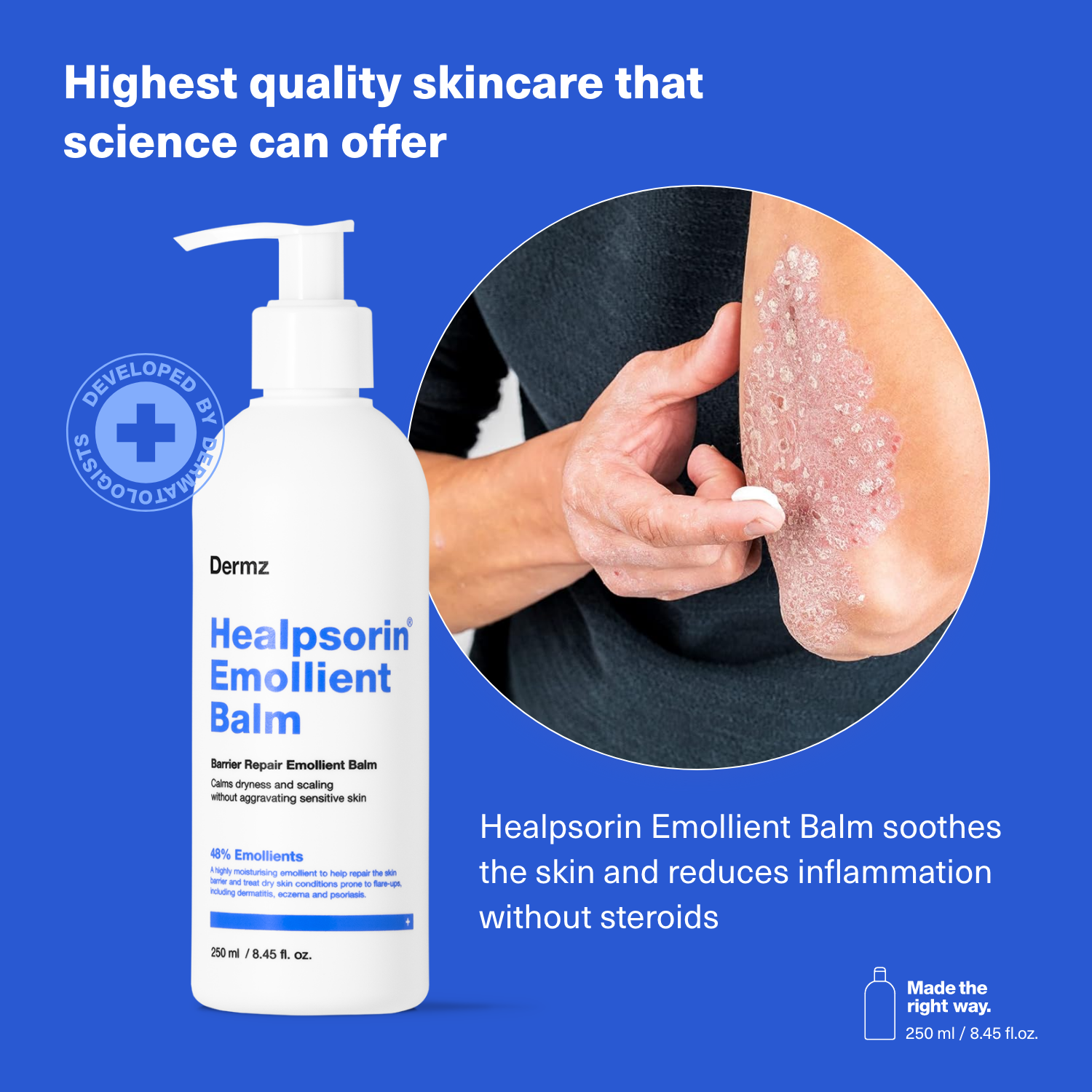
Plaque psoriasis, the most common type of psoriasis, typically forms well-demarcated, thick, scaly patches. On lighter skin, these may appear as red patches with pale or silvery scales; on darker skin, redness may be less obvious.
Psoriasis alters normal skin cell growth. Immune-driven inflammation speeds up the production and turnover of skin cells, so they accumulate at the surface and contribute to the raised, scaly appearance.
Atopic dermatitis, the most common type of eczema, is more variable. During an acute flare-up, eczema presents as dry, inflamed, cracked or weeping areas and may blister or crust. With persistent scratching, the affected area can become thick and leathery, a change called lichenification.
Thick skin does not automatically mean psoriasis, and a less scaly rash does not automatically mean eczema. Do not scrape or pick at scales to tell the conditions apart: skin injuries can worsen psoriasis, while scratching eczema further damages the skin barrier.
How do itching, burning and pain differ?
Intense itching is particularly characteristic of atopic eczema, but psoriasis can also cause severe itchy skin. How a rash feels can provide a clue, but it cannot distinguish the two conditions on its own.
With eczema, persistent itch often leads to scratching, which can damage barrier function and make eczema symptoms worse. In children and adults, it can also disturb sleep. Children with eczema may find night-time itching particularly disruptive.
Psoriasis may itch, burn or feel sore. Thick plaques can crack and become painful, particularly on the hands and feet. These common symptoms overlap, so even very itchy or painful patches do not reliably tell you which condition you have.
Where do psoriasis and eczema usually appear?
Psoriasis often affects the outer elbows, knees and scalp, while eczema frequently affects skin folds, including the inner elbow and the backs of the knees. These are typical patterns rather than fixed rules.
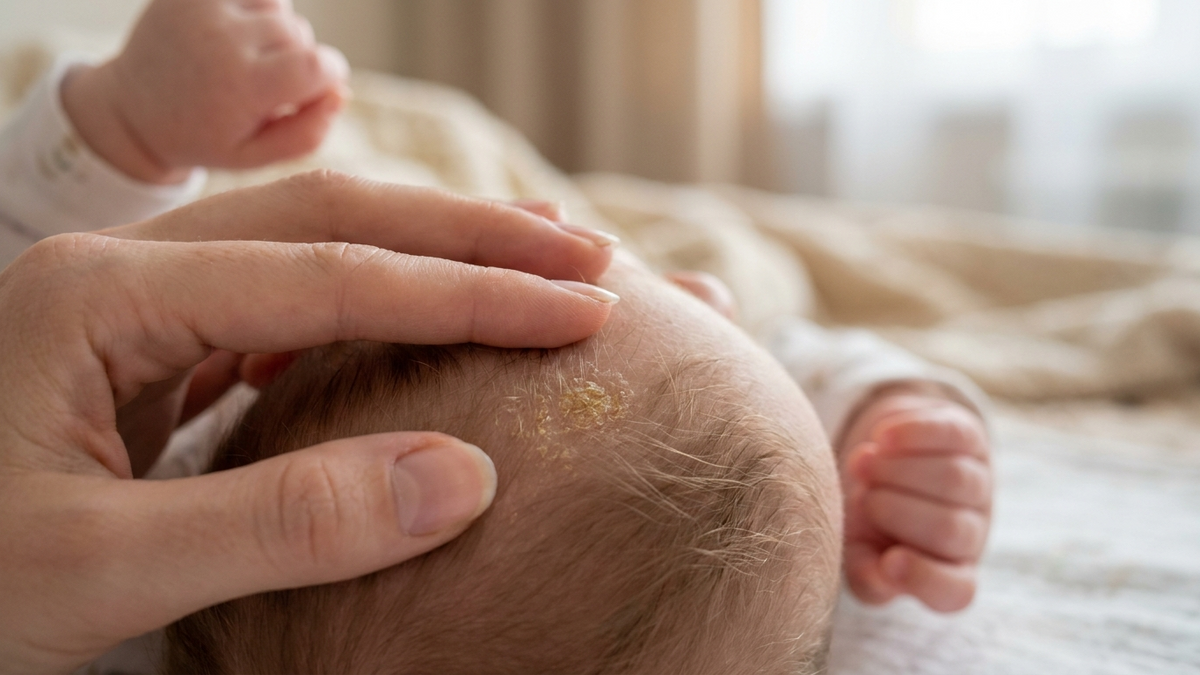
In babies and young children, eczema commonly affects the face. As children get older, the creases of the elbows and knees become more typical sites, while adults often develop eczema on the hands. Psoriasis can also affect other parts of the body, including the hands or feet, and may appear elsewhere on the body.
Inverse psoriasis is an important exception. It develops in skin folds such as the groin, armpits or beneath the breasts and can look smooth and well defined, with little or none of the silvery scales seen in classic psoriasis.
Location can therefore offer another clue, but it cannot confirm the diagnosis.
How do psoriasis and eczema look on different skin tones?
Psoriasis and eczema should not be described simply as “red rashes”, because inflammation can look different across skin tones. On lighter skin, psoriasis plaques often appear pink or red with pale or silvery scales. On darker skin, lesions may appear purple, brown or grey. Atopic dermatitis also varies: eczema symptoms may be red or pink on lighter skin and purple, grey, brown or darker than the surrounding skin on darker skin.
Both conditions can leave lighter or darker marks after inflammation settles. Texture, scale, borders and location often tell you more than colour alone.
How do doctors tell psoriasis and eczema apart?
Doctors usually distinguish psoriasis from eczema by combining your medical history with a careful examination of the rash. Further tests are used when the picture is unclear or other conditions need to be ruled out. There is no universal blood test that can definitively separate psoriasis from atopic dermatitis.
Medical history, skin examination and targeted tests
A doctor will ask when symptoms began, how flare-ups behave, which triggers you have noticed, whether similar skin conditions run in your family and which treatments, medications, ointments or creams you have used.
Asthma, hay fever, allergies or related conditions may support atopic dermatitis, while nail changes, scalp symptoms or joint problems can point towards psoriatic disease. These are risk factors and supporting clues rather than proof.
During the examination, the doctor looks at the borders, surface, scale, distribution and overall pattern of the affected areas. Your doctor may also recommend a biopsy in selected unclear cases. Patch testing is used when allergic contact dermatitis is suspected; it is not a general test for eczema. A skin scraping or mycological test may be useful when a fungal infection is possible.
Atopic eczema does not simply turn into psoriasis. The two conditions can coexist, and sometimes the diagnosis is reconsidered as the pattern becomes clearer.
Warning signs that need medical attention
Arrange a GP or dermatology appointment if rashes repeatedly return, spread, substantially affect sleep or daily life, or do not improve as expected with treatment. If you have psoriasis and develop recurring joint pain, stiffness or swelling, tell your doctor. These symptoms need assessment for psoriatic arthritis.
Seek urgent medical advice if eczema symptoms suddenly include painful, swollen, hot, blistered or crusted areas, leaking fluid or pus, or rapid worsening, particularly if you have a high temperature or feel generally unwell. In the UK, this may mean contacting your GP urgently or using NHS 111.
Some severe forms of psoriasis also need urgent assessment. Generalised pustular psoriasis and erythroderma can affect large areas of the body and may be accompanied by fever or feeling very unwell.
How do psoriasis and eczema treatments differ?
Psoriasis and eczema share some treatments, but they also need different treatments because they are distinct inflammatory conditions. The right approach depends on your diagnosis, symptoms, age, the part of the body affected, other health conditions and previous response to treatment.
For localised disease, psoriasis treatments often start with topical preparations, including topical corticosteroids and vitamin D analogues. More extensive or difficult-to-control disease may require specialist light therapy or systemic medications.
For eczema, regular emollient use is an important part of supportive care. Topical corticosteroids are commonly used to control inflammation, while calcineurin inhibitors such as tacrolimus or pimecrolimus are steroid-free anti-inflammatory options in selected cases.
Calcineurin inhibitors can also be considered in selected cases of psoriasis affecting areas such as the face, flexures or genitals, where prolonged corticosteroid use may be less suitable.
Phototherapy is medical light therapy using controlled UV light. It is not the same as using a sunbed, and sunburns can damage the skin.
What is the best cream for psoriasis or eczema? There is no single best cream for everyone. Emollient creams and ointments can help keep the skin moisturised and reduce dryness, while prescribed topical medications treat active inflammation. Dermocosmetic care should support, not replace, appropriate medical treatment.
What causes psoriasis and eczema, and what triggers flare-ups?
Psoriasis and atopic eczema both involve the immune system, but their underlying biology is different and neither condition has a single cause.
-
Psoriasis is an immune-mediated inflammatory condition influenced by genetics, immune signalling and environmental factors. The immune system disrupts normal skin cell growth, causing skin cells to accumulate more rapidly and form scaly patches.
-
Atopic dermatitis develops through an interaction between genetics, immune dysregulation, environmental factors and an impaired skin barrier. The weakened barrier loses water more easily and makes the skin more vulnerable to irritants and some allergens. Allergies can matter for some people, but eczema is not simply an allergic disease.
A trigger can bring on or worsen flare-ups, but it is not the underlying cause. Common psoriasis triggers include stress, infections, skin injuries and certain medications. Psychological stress can be important for some people. Common eczema triggers include soaps and detergents, other irritants, relevant allergens, heat, sweating, dry air and temperature changes.
There is no single biggest psoriasis trigger for everyone. Stress, infections and skin injuries are all well recognised, and certain factors matter more to one person than another. Avoiding triggers is most useful when you have identified your own pattern.
And remember. Neither psoriasis nor atopic eczema is contagious.
What can be mistaken for psoriasis or eczema?
Several skin conditions can produce similar symptoms to psoriasis or atopic eczema, so an unusual rash or poor response to treatment is a good reason to have the diagnosis reviewed rather than continuing to treat it yourself.
-
Seborrhoeic dermatitis commonly affects areas rich in sebaceous glands, including the scalp, eyebrows, sides of the nose and areas around the ears. It can overlap in appearance with scalp psoriasis or eczema, particularly when scaling is present.
-
Tinea, a dermatophyte fungal infection, can produce itchy, scaly patches that resemble inflammatory skin conditions. Depending on how it looks, mycological testing may be needed to confirm the diagnosis.
-
Contact dermatitis is a form of eczema caused either by direct irritation or by an allergic reaction after skin contact with a particular substance. The distribution of the rash can provide an important clue, and patch testing may be useful when allergic contact dermatitis is suspected.
Seborrhoeic dermatitis, psoriasis and eczema can all affect the scalp, so scalp involvement alone does not confirm psoriasis. Other conditions can mimic these rashes too. If symptoms are persistent, unusual, changing or not improving as expected, ask a healthcare professional to reassess the diagnosis.
How can you care for skin affected by psoriasis or eczema?
Supportive skin care for psoriasis and eczema should focus on gentle cleansing, maintaining moisture, protecting the skin barrier and limiting individual irritants while you continue any recommended medical treatment.
-
Cleanse gently. Avoid excessive scrubbing and very hot water, and choose cleansing products suitable for dry, sensitive or irritated skin.
-
Use an appropriate emollient. Regular moisturising can reduce dryness and help keep the skin moisturised. How often and how much you apply depends on the product, the condition of your skin and the advice you have been given.
-
Identify your own triggers. Avoiding triggers is most useful when you have recognised a consistent personal pattern rather than trying to eliminate every possible trigger listed online.
-
Avoid scratching and picking. Scratching eczema can further disrupt the skin barrier, while skin injuries can trigger new psoriasis lesions in some people.
-
Follow your treatment plan. Continue prescribed treatments as directed and speak to your GP, pharmacist or dermatologist before making significant changes. Do not stop prescribed anti-inflammatory treatment simply because a dermocosmetic product has made your skin feel more comfortable.
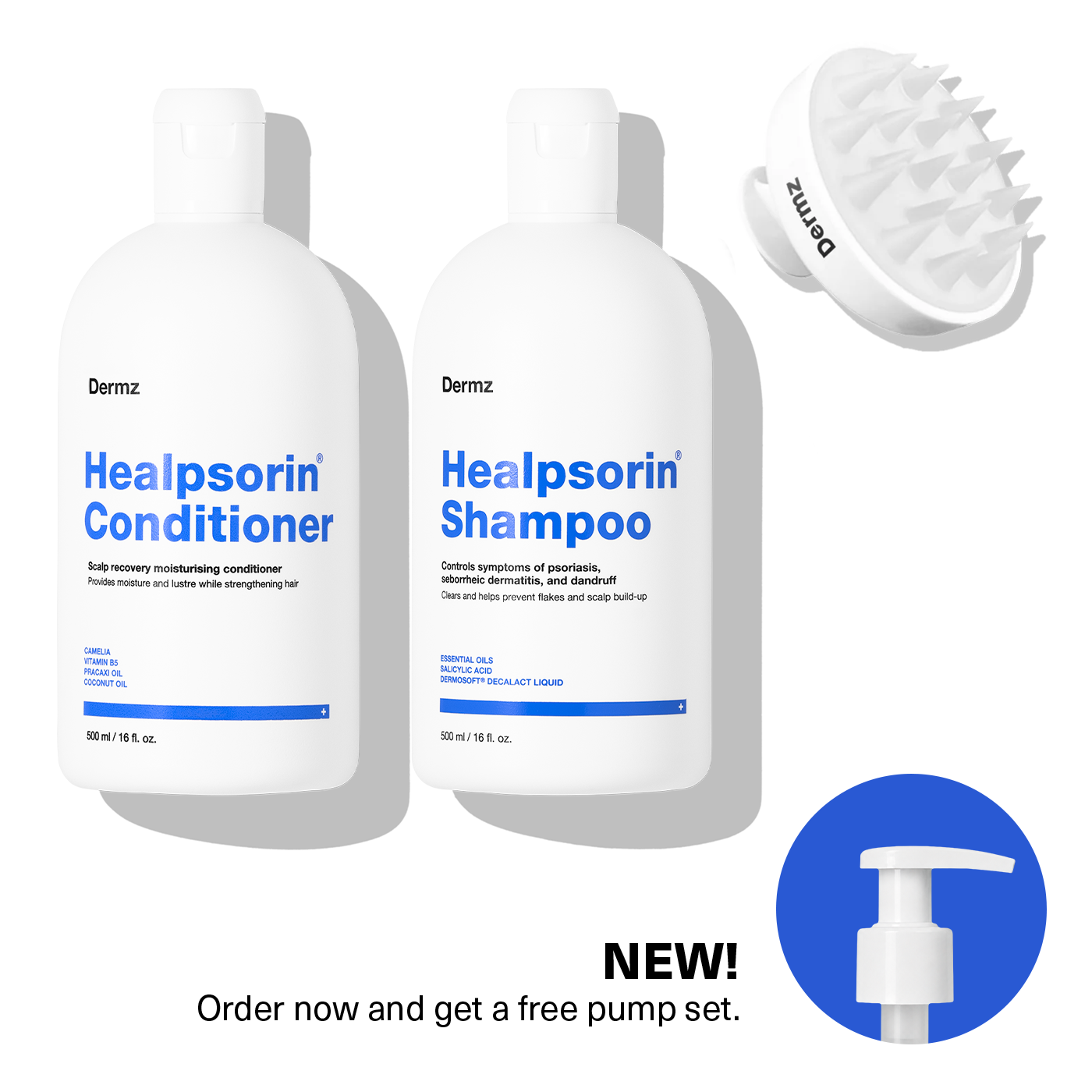
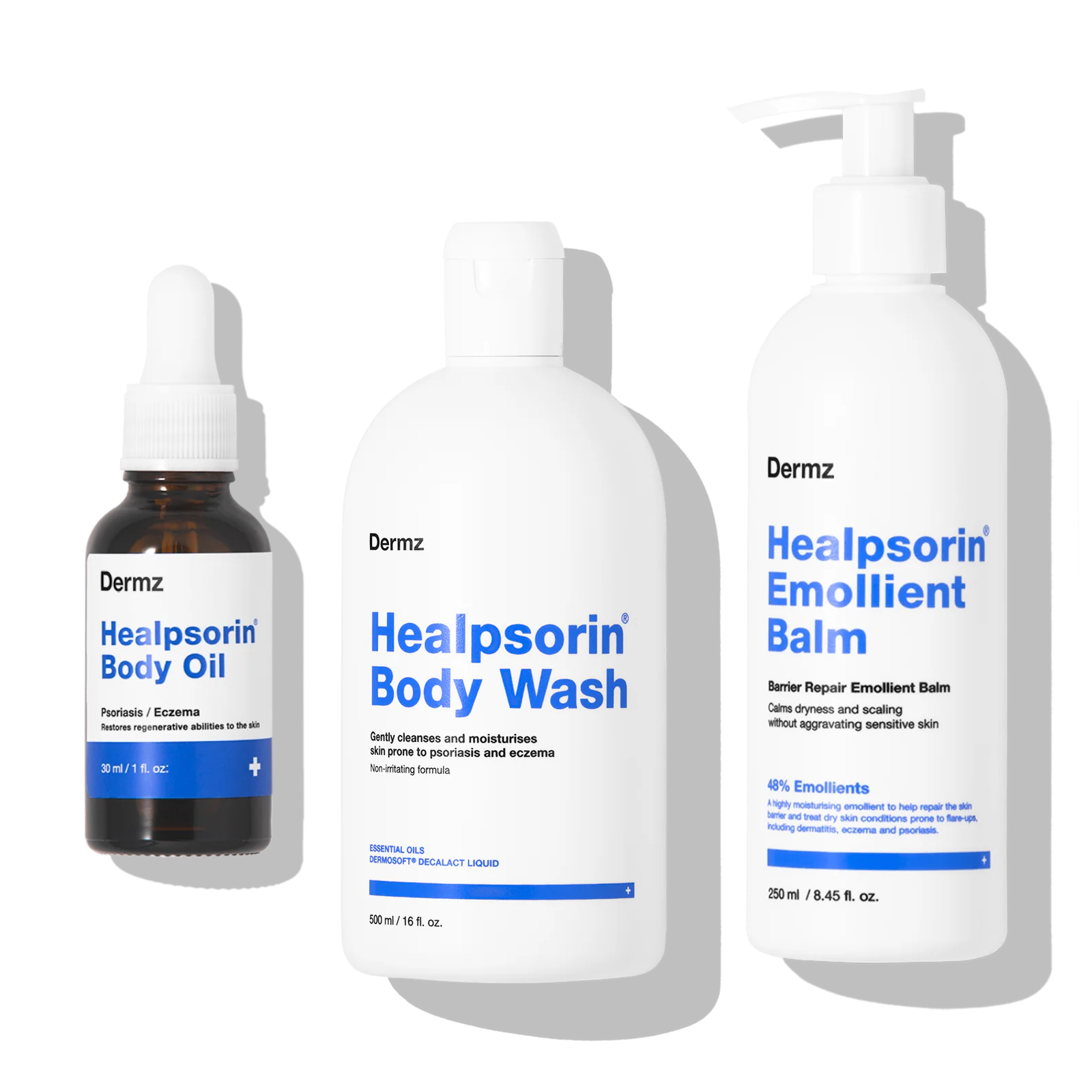
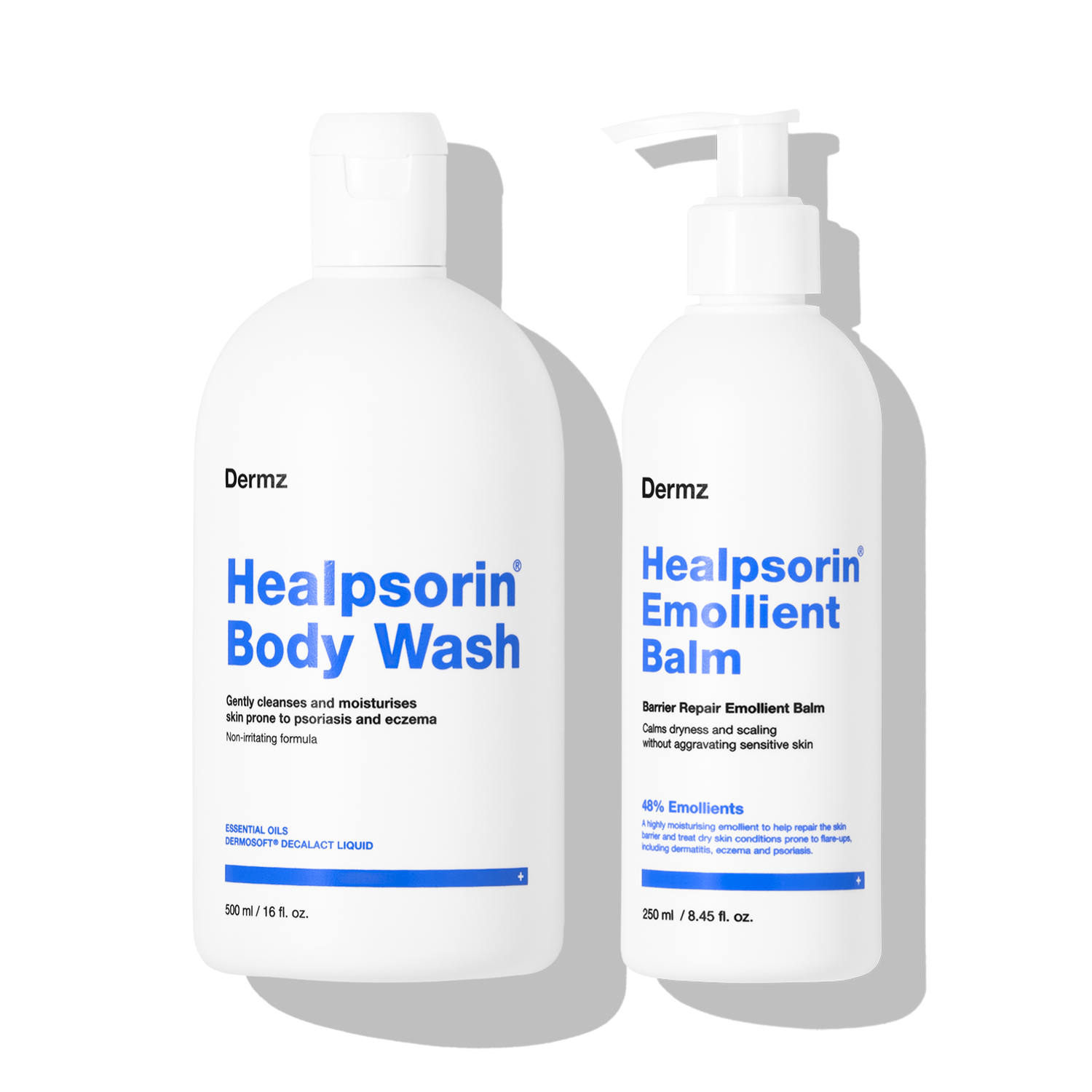
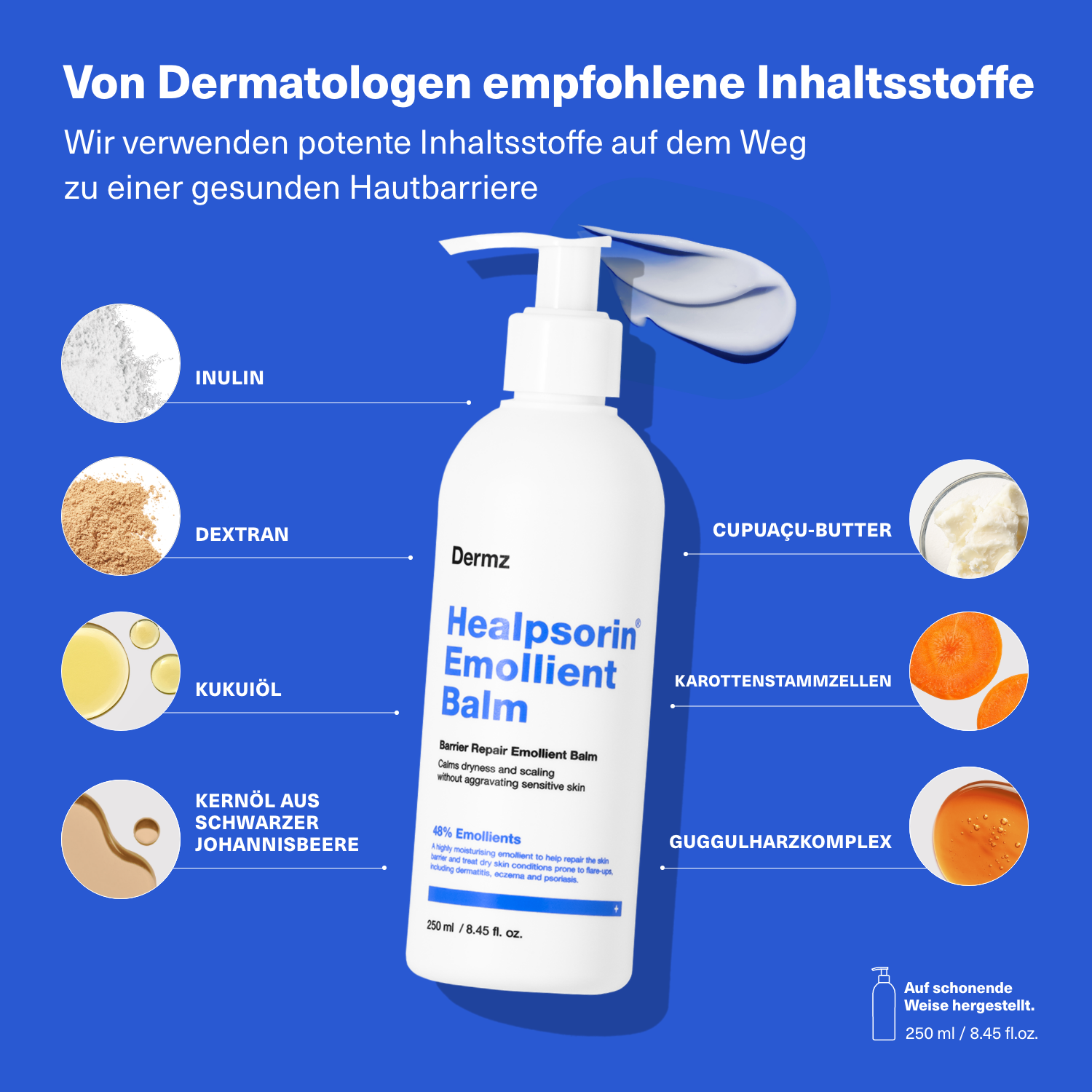
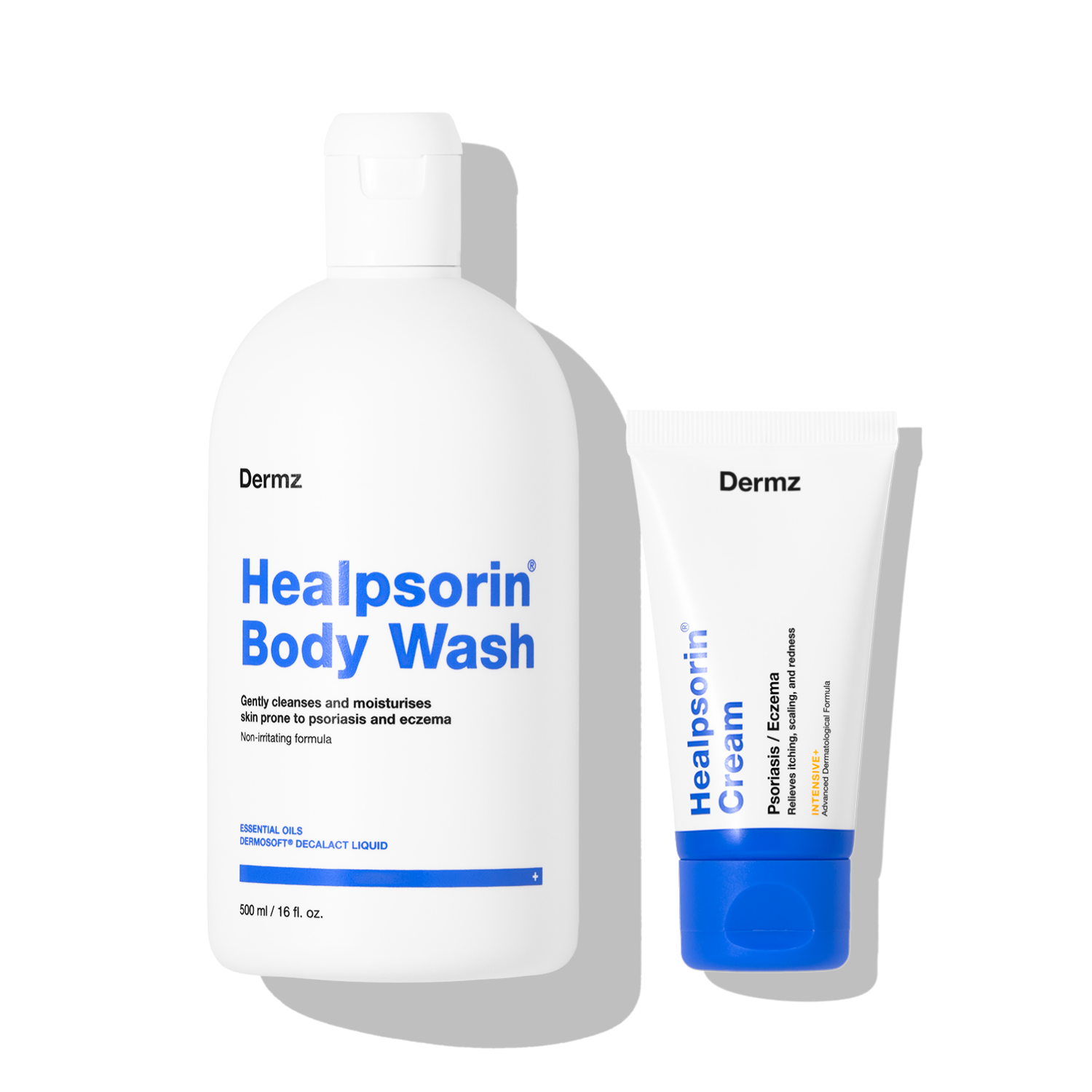
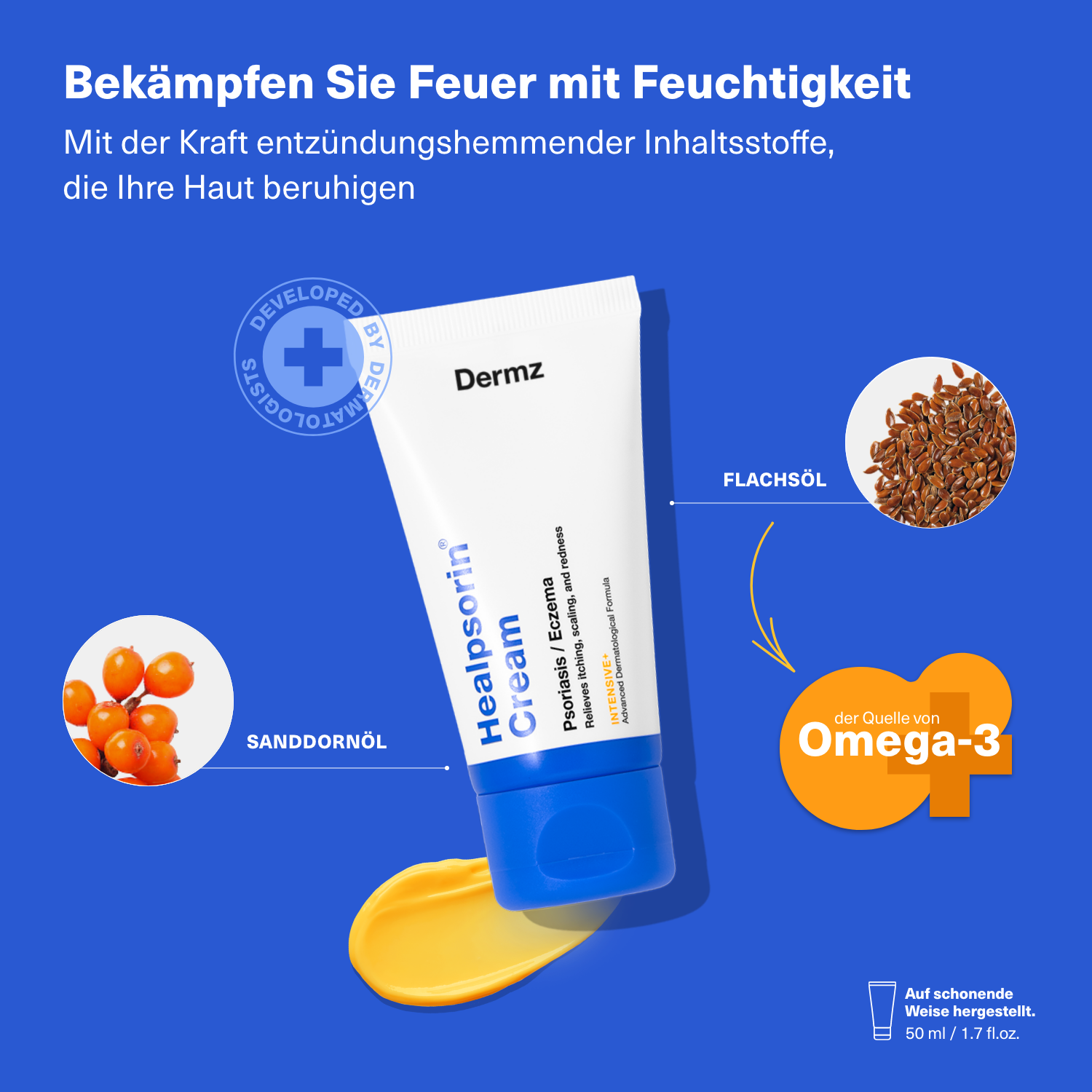
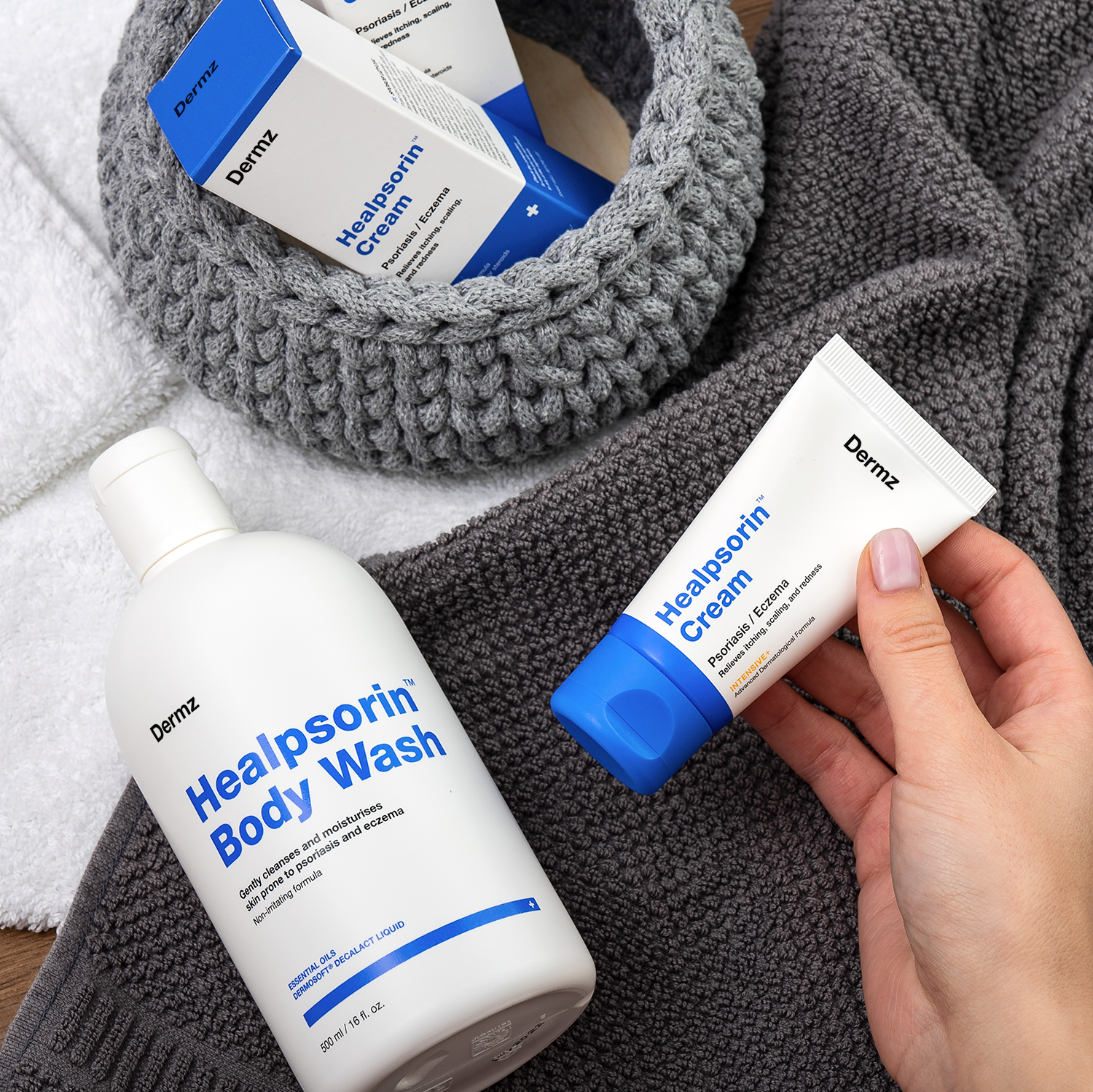
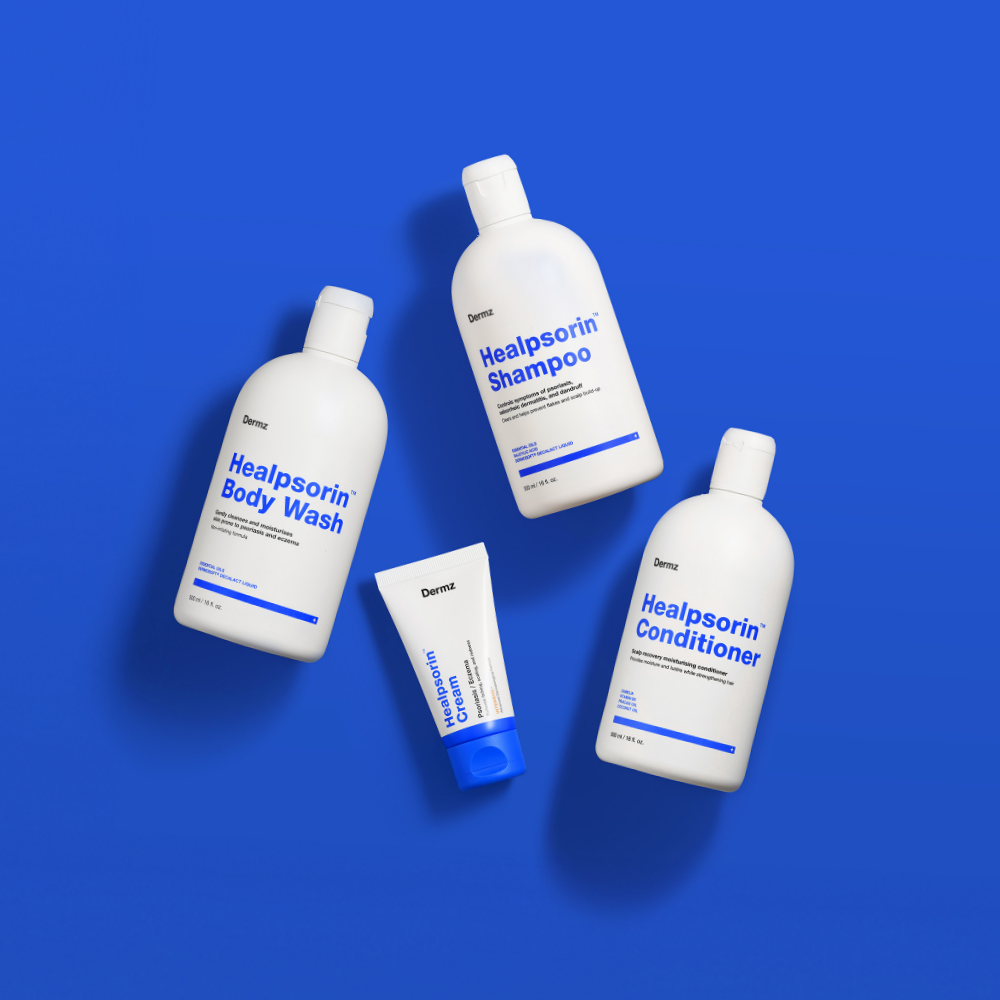
Dermz Laboratories products can be included as part of supportive daily skin care without replacing treatment prescribed for active psoriasis or eczema. Healpsorin Cream and Healpsorin Emollient Balm are steroid-free dermocosmetic products intended for dry, irritation-prone skin. Within an appropriate routine, their role is to moisturise the skin, soothe itching, help manage flaking and support skin-barrier care.
If you are unsure whether you have psoriasis, eczema or another skin condition, start with a diagnosis rather than a product. Once you know what is affecting your skin, it becomes much easier to choose everyday care that works alongside the treatment you actually need.
FAQ – Frequently Asked Questions about Psoriasis vs Eczema
- How can I tell if I have eczema or psoriasis? Psoriasis more often causes clearly defined, raised and scaly patches, while eczema commonly causes intensely itchy, dry or inflamed skin with less distinct borders. However, eczema symptoms and psoriasis symptoms can overlap, so appearance alone cannot confirm the diagnosis. A doctor will also consider where the rash appears, how it feels and how it changes over time.
- What is the best cream for psoriasis or eczema? There is no single best cream for psoriasis or eczema. Emollient creams and ointments can help keep the skin moisturised and support the skin barrier, particularly in eczema, while they can also help manage dryness and scaling in psoriasis. Active inflammation may require prescribed topical treatment, such as topical corticosteroids or other medicines. The right treatment depends on the diagnosis, severity of symptoms and area of skin affected.
- Can eczema turn into psoriasis? No. Atopic eczema does not turn into psoriasis, although the two skin conditions can occur in the same person. Their symptoms can sometimes overlap, and a diagnosis may be reconsidered if the appearance or pattern of the rash changes over time.
- What is the biggest trigger for psoriasis? There is no single biggest trigger for psoriasis that applies to everyone. Stress, infections and skin injuries are well-recognised triggers, while certain medicines and other individual factors can also contribute to flare-ups. Identifying your own triggers is usually more useful than trying to avoid every possible trigger.
- Are psoriasis and eczema contagious? No. Neither psoriasis nor atopic eczema is contagious, so you cannot catch either condition through skin contact or by sharing everyday items. Psoriasis is an immune-mediated inflammatory condition, while atopic eczema involves a combination of skin-barrier dysfunction and immune dysregulation; neither is caused by an infection that can be passed from person to person.
References
-
National Health Service (NHS), Psoriasis, NHS, dostęp: 24.09.2026.
NHS – Psoriasis.
-
National Health Service (NHS), Atopic eczema, NHS, access: 24.09.2026.
NHS – Atopic eczema -
*National Institute for Health and Care Excellence (NICE), Psoriasis: assessment and management (CG153), NICE, 2012, access: 24.09.2026.* NICE – Psoriasis: assessment and management
-
Chan J.J., Psoriasis: an update on topical and systemic therapies, „Australian Prescriber”, 2025, t. 48, nr 3, s. 87–92. PubMed Central
-
Wollenberg A. i wsp., European Guideline (EuroGuiDerm) on atopic eczema: Living update, „Journal of the European Academy of Dermatology and Venereology”, 2025, t. 39, nr 9, s. 1537–1566. PubMed Central
-
Beyond the dichotomy: understanding the overlap between atopic dermatitis and psoriasis, 2025. PubMed Central
-
Gkini M.-A. i wsp., Psoriasis in People With Skin of Color: An Evidence-Based Update, „International Journal of Dermatology”, 2025, t. 64, nr 4, s. 667–677. PubMed Central
-
Sarkar R., Verma D., Atopic Dermatitis in Skin of Colour: A Review, „Indian Journal of Dermatology”, 2026, t. 71, nr 4, s. 266–271. PubMed Central
-
Nguyen D.A., Lim H., Presentations of Cutaneous Disease in Various Skin Pigmentations: Inverse Psoriasis, „HCA Healthcare Journal of Medicine”, 2023 PubMed Central
-
Lawrence C.N., Karagounis T.K., Cohen D.E., Atopic Dermatitis Reconsidered: Clinical Mimics and Diagnostic Pearls, „Journal of the American Academy of Dermatology”, 2026 PubMed Central
-
Dermz Laboratories, Healpsorin Cream, Dermz Laboratories – Healpsorin Cream
-
Dermz Laboratories, Healpsorin Emollient Balm, Dermz Laboratories – Healpsorin Emollient Balm