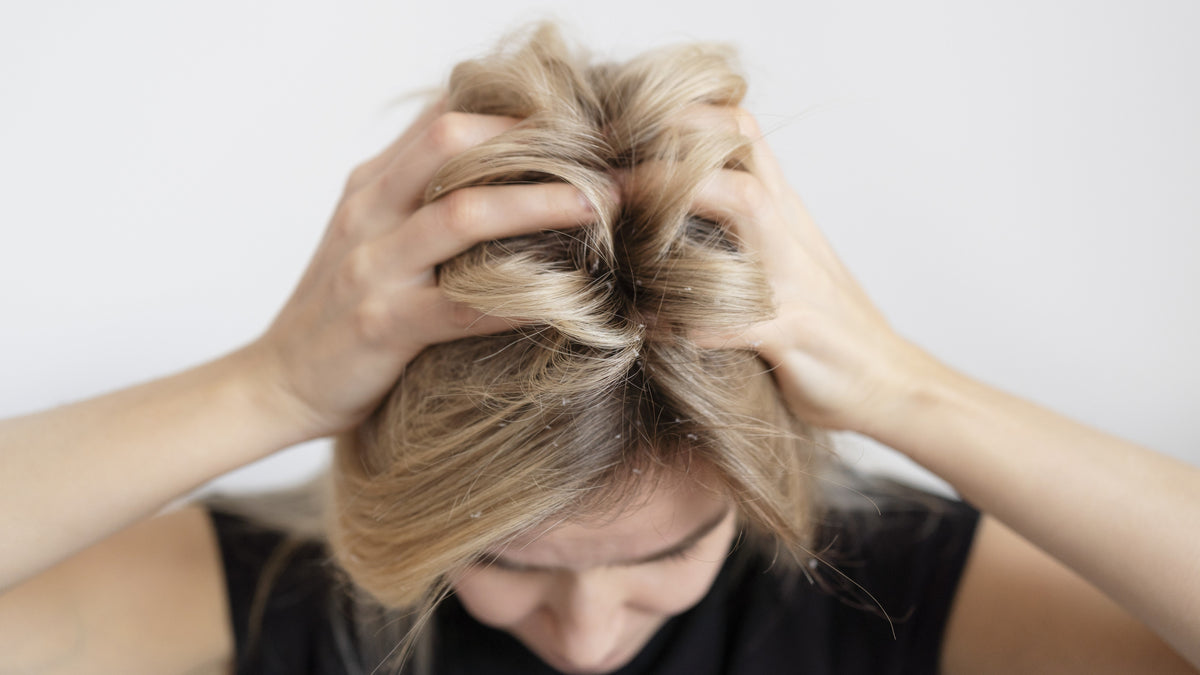
If you keep catching yourself scratching your head, or brushing flakes off a dark jumper, you already know how disruptive scalp eczema can be. The itching can keep you up at night, and constant scratching leaves the scalp sore. This guide explains what happens to the skin during a flare, why it happens, and which scalp eczema treatments actually work when you set out to treat scalp eczema. From gentle home care to medicated shampoos and, when needed, a dermatologist's care. We also help you tell it apart from dandruff and a fungal infection, so you treat the right problem from the start.
What is scalp eczema and how does it affect the scalp skin barrier?
Scalp eczema is a chronic, non-contagious inflammatory skin condition in which a disrupted epidermal barrier allows moisture to escape and irritants to penetrate, causing redness, flaking and a persistent itchy scalp (pruritus).

The scalp has a denser concentration of hair follicles and sebaceous (oil-producing) glands than almost any other skin area, giving its barrier chemistry distinct properties. The outermost layer (stratum corneum) is made of flattened skin cells held together by lipids in a brick-and-mortar structure: skin cells are the bricks, and ceramides, cholesterol, and fatty acids — with the scalp's natural hydrolipid film — form the mortar. Healthy skin uses this structure to limit transepidermal water loss (TEWL) and keep irritants out. In scalp eczema, that mortar breaks down: TEWL rises, the surface reacts to substances it previously tolerated, and the scalp cycles between active flare-up and quieter remission rather than settling permanently. This is not simply a fungus problem. Malassezia yeast overgrowth, an immune system that stays switched on too long, and structural weakness in the barrier itself all work together to produce the pattern.
A healthy scalp barrier performs several distinct jobs at once:
-
Moisture retention, keeping water within the epidermis rather than losing it to the air
-
Irritant exclusion, blocking allergens, detergents and pollutants from penetrating the skin
-
Microbial regulation, maintaining a slightly acidic surface pH that keeps yeast and bacteria in balance
-
Sensory protection, cushioning nerve endings so normal contact does not trigger pruritus
-
Thermal insulation, helping regulate scalp temperature under hair and headwear
What are the symptoms of scalp eczema?
Scalp eczema produces five main groups of symptoms, split between what you feel and what you or others can see, and most people experience several of these together rather than just one.
The subjective symptoms (what the scalp feels like) usually come first:
-
Pruritus (itching), typically the earliest and most persistent complaint
-
Tightness or a mild burning sensation, especially after washing
-
Tenderness over the affected areas, particularly where scratching has already occurred
The visible symptoms follow, and tend to be what prompts someone to seek treatment:
-
Redness (erythema), often harder to spot under hair than on exposed skin
-
Flaking, ranging from fine, dry visible flakes to thicker, yellowish flakes clinging to individual hairs
-
Greasy patches, with people often describing their hair slightly greasy along the parting even between washes
-
Scaly rash with defined or diffuse borders, depending on severity
Anatomically, scalp eczema rarely stays confined to one spot: it typically concentrates along the hairline, behind the ears, at the nape of the neck and around the eyebrows, and in adults with seborrhoeic dermatitis it often extends to the sides of the nose and upper trunk.

Left unchecked, scratching triggers a self-perpetuating itch-scratch cycle: it damages the already sensitive skin, releasing more inflammatory signals that lower the itch threshold and invite further scratching. This cycle is a major reason scalp eczema disrupts sleep, since itching intensifies in the evening as distractions fade and skin temperature rises slightly under bedding. Persistent scratching can occasionally strain hair follicles enough to cause temporary hair loss, though hair usually regrows once inflammation settles. On darker skin tones, eczema may appear violet, brown or simply lighter rather than the bright red shown in textbook photos, so it can go unrecognised for longer.
What causes scalp eczema and triggers scalp eczema flares?
Scalp eczema develops from a combination of internal causes and external triggers, and separating the two is the key to managing it: causes explain why the skin is vulnerable in the first place, while triggers explain why a flare starts on any given day.
The underlying causes are mostly fixed features of an individual's biology:
-
Yeast overgrowth (Malassezia) on the naturally oily scalp
-
Immune system overactivity, keeping an inflammatory reaction switched on longer than needed
-
Genetic predisposition towards atopic conditions such as atopic eczema and wider atopic dermatitis
-
Sebaceous gland activity, driven by hormones and often heightened at puberty and in early infancy
-
Barrier fragility, an inherited or acquired weakness in the skin's protective lipid layer
The day-to-day triggers sit on top of these causes and vary far more between individuals:
-
Hair dyes containing paraphenylenediamine, a well-known cause of allergic contact dermatitis
-
Harsh surfactants such as sodium lauryl sulphate
-
Cold weather and dry indoor heating
-
Emotional stress
-
Fragranced hair products
-
Tight hair extensions, where the adhesive itself can irritate the scalp
It helps to know the difference between two related terms. Allergic contact dermatitis occurs when the immune system reacts to a specific substance it identifies as a threat — an allergic reaction that can develop even after years of trouble-free use. Irritant contact dermatitis, by contrast, happens when a substance directly damages the skin surface with no immune involvement, typically what harsh detergents do. Both forms of contact dermatitis can look alike but call for different avoidance strategies.
Flare ups are also markedly seasonal. Cold weather reduces atmospheric humidity just as indoor heating dries the air further, so the barrier gets less time to recover between episodes, which is why many people notice their worst flares in autumn and winter rather than summer. Skin can also partially adapt to a trigger met repeatedly at low intensity, becoming less reactive over weeks, while a sudden higher-intensity exposure to the same substance can still provoke a flare, which is why patch-testing a small area before full use remains worthwhile, even for a product used safely in the past.
Which scalp eczema treatments relieve itchy skin and flaking?
Scalp eczema treatments generally fall into four groups, from gentle daily dermocosmetics to short prescription courses for more significant inflammation.
-
Medicated shampoos containing ketoconazole, salicylic acid, coal tar or zinc pyrithione, which reduce yeast and lift scale
-
Topical steroid preparations or topical corticosteroids, prescribed for short courses to calm inflammation quickly
-
Topical calcineurin inhibitors, a steroid-free prescription option suited to delicate skin over longer periods
-
Soothing, barrier-supporting dermocosmetics with salicylic acid, urea or comfrey for everyday maintenance
|
Category |
How it works |
How often |
|
Ketoconazole shampoo |
Reduces scalp yeast |
Twice weekly, then weekly to maintain |
|
Topical steroid |
Calms inflammation fast |
Short courses only |
|
Calcineurin inhibitors |
Dampens immune response |
As prescribed |
|
Salicylic acid |
Lifts stubborn scale |
Regularly, as tolerated |
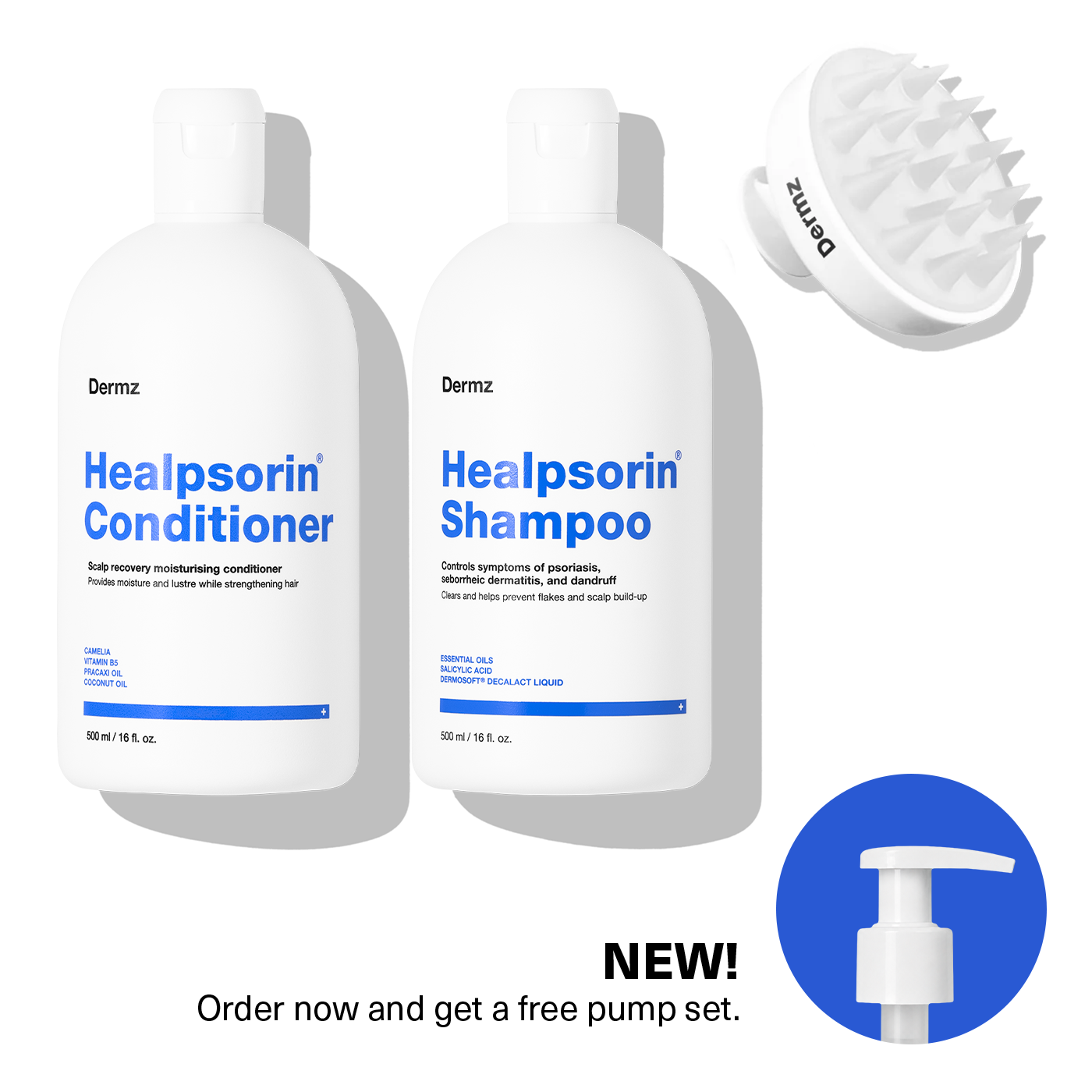
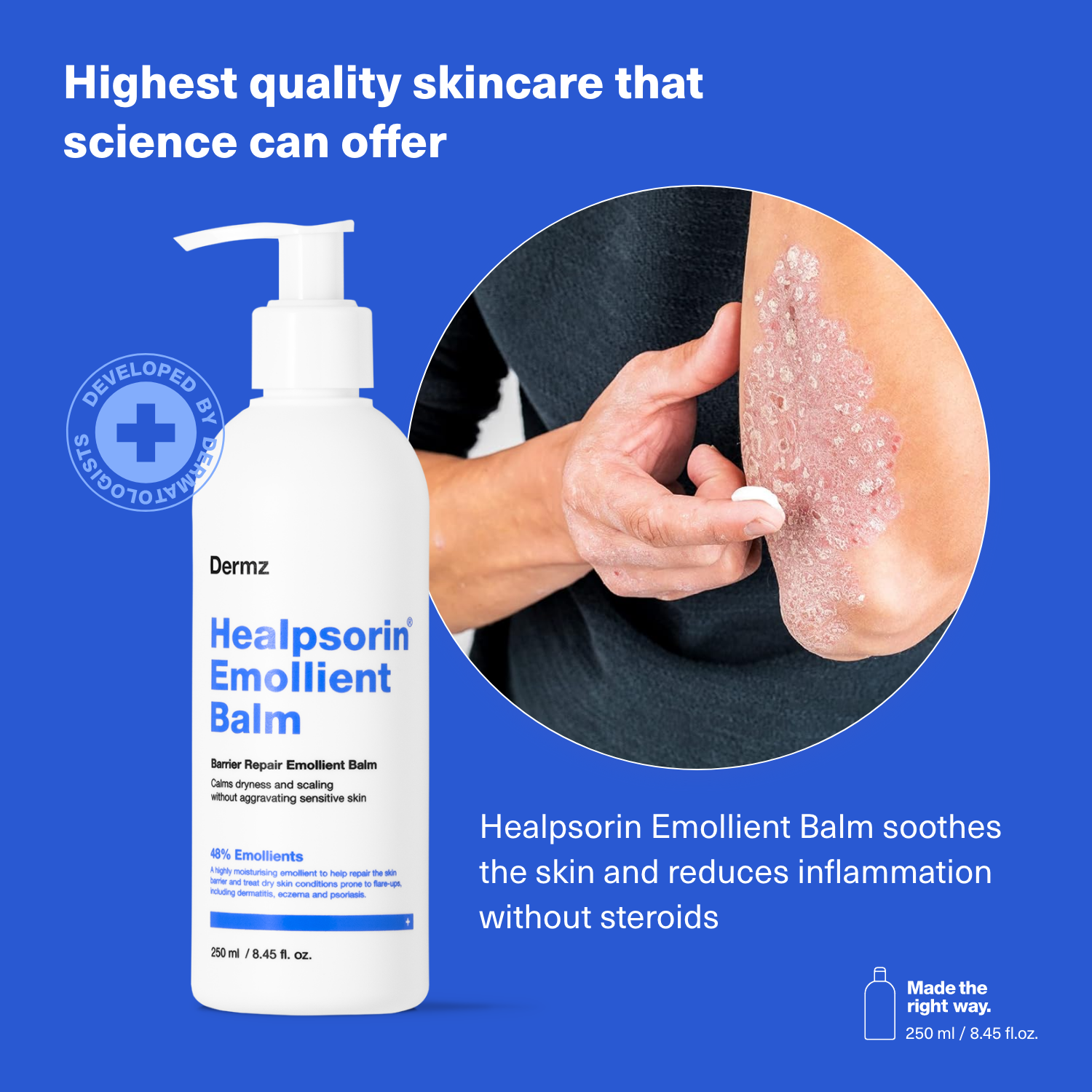
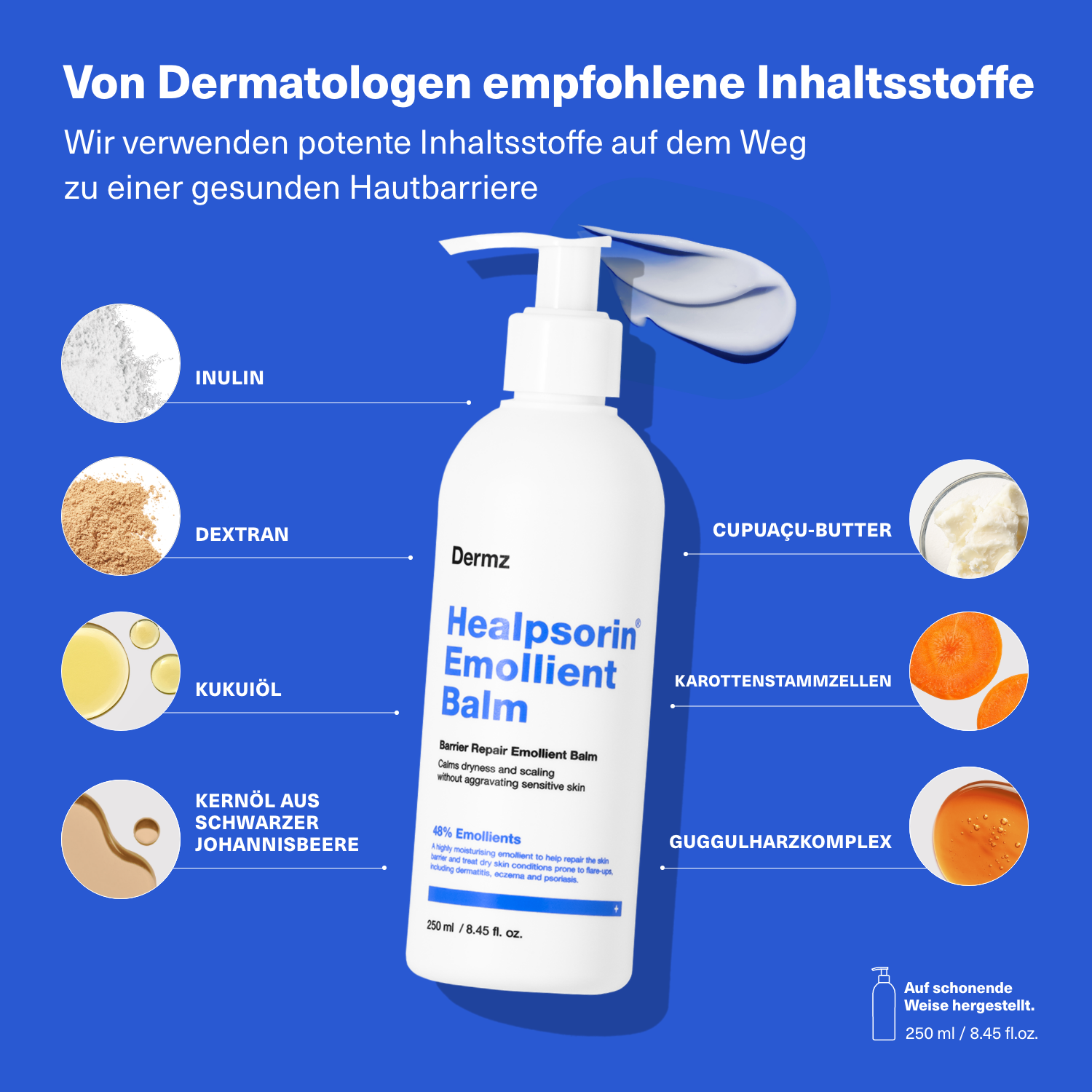
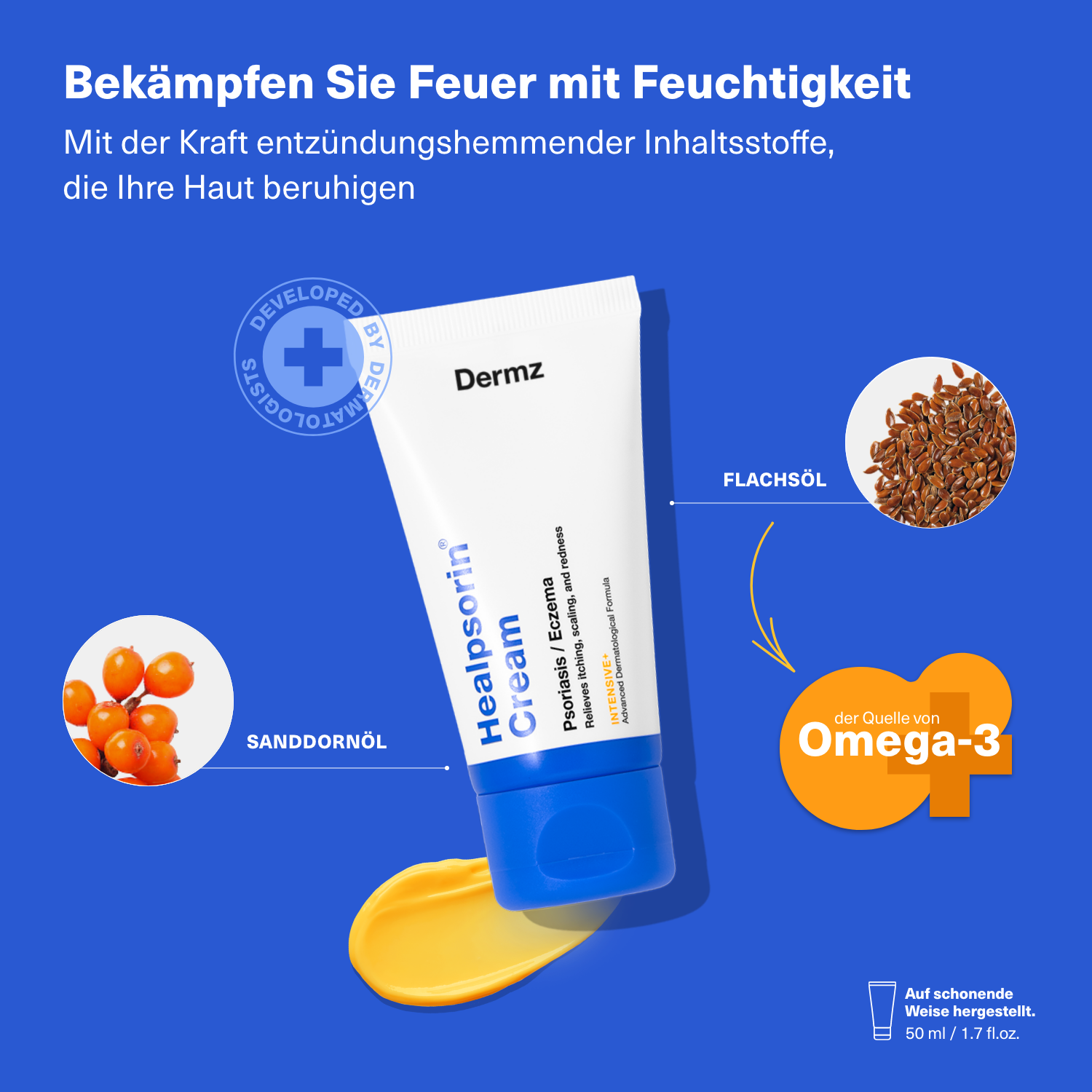
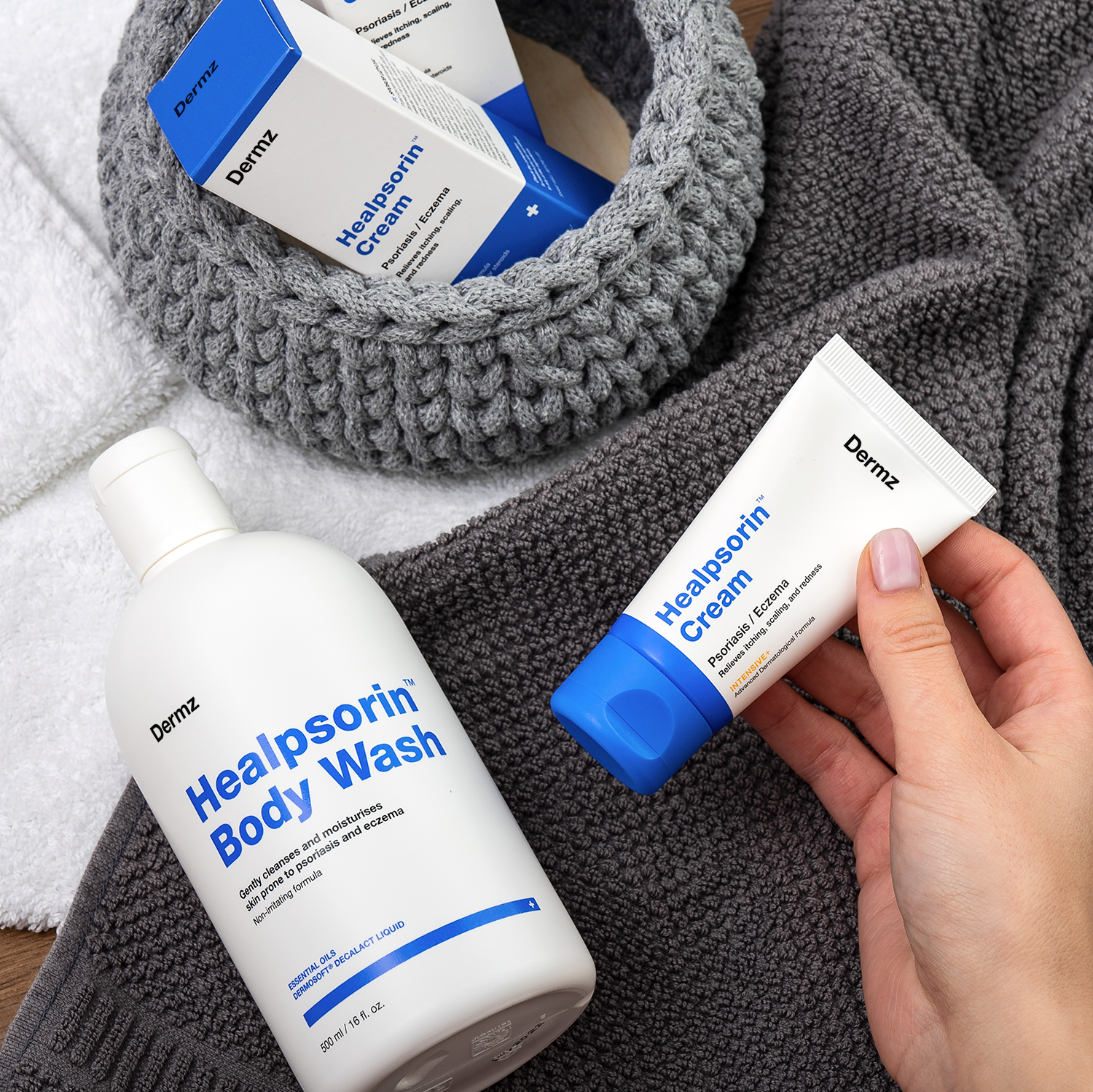
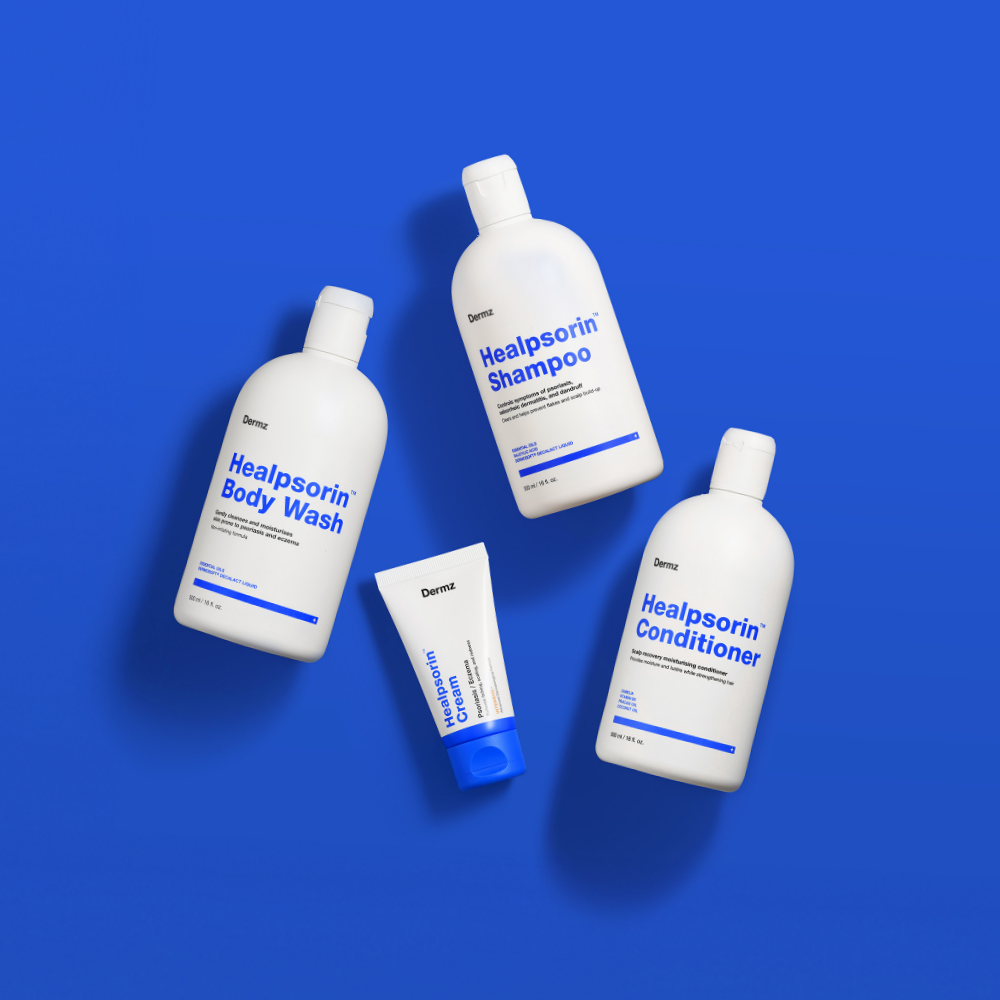
A therapeutic shampoo and a leave-on treatment work better together to reduce symptoms: the shampoo lifts scale and cleanses away build-up, while the leave-on formula calms irritation and restores moisture. This is the idea behind Dermz Laboratories' Healpsorin Shampoo, a steroid-free dermocosmetic with Dermosoft Decalact, salicylic acid, urea and comfrey, designed to soothe itching and support skin regeneration alongside a matching conditioner. It does not replace prescribed treatment, but supports daily care.
How do you restore the skin barrier and reduce inflammation on an eczema prone scalp?
Restoring the barrier means rebuilding natural oils while calming inflammation without relying on steroids daily, and each of the four steps below works best within a specific range of pH, contact time and water temperature:
-
Cleanse with a fragrance-free shampoo formulated close to the skin's natural pH (roughly pH 4.5–5.5), using lukewarm water at around 32–38°C rather than hot water, since heat above this range strips away protective oils; massage gently with fingertips rather than nails for sixty to ninety seconds before rinsing.
-
Soften stubborn scale first with a salicylic acid treatment (typically 2–3% concentration) or warm oil, left on for fifteen to thirty minutes under a shower cap so body heat helps it penetrate, then loosened with a soft brush rather than scraped off.
-
Replenish moisture straight after washing with a urea (5–10%) or comfrey-based leave-on treatment while the scalp is still damp, applying a thin layer directly to the scalp with fingertips rather than working it through the full length of the hair.
-
Protect the barrier afterwards by avoiding hot water, high heat when drying hair (keep dryers on a cool or warm setting, held at least 15 cm from the scalp), and fragranced styling products for at least a few hours after treatment.
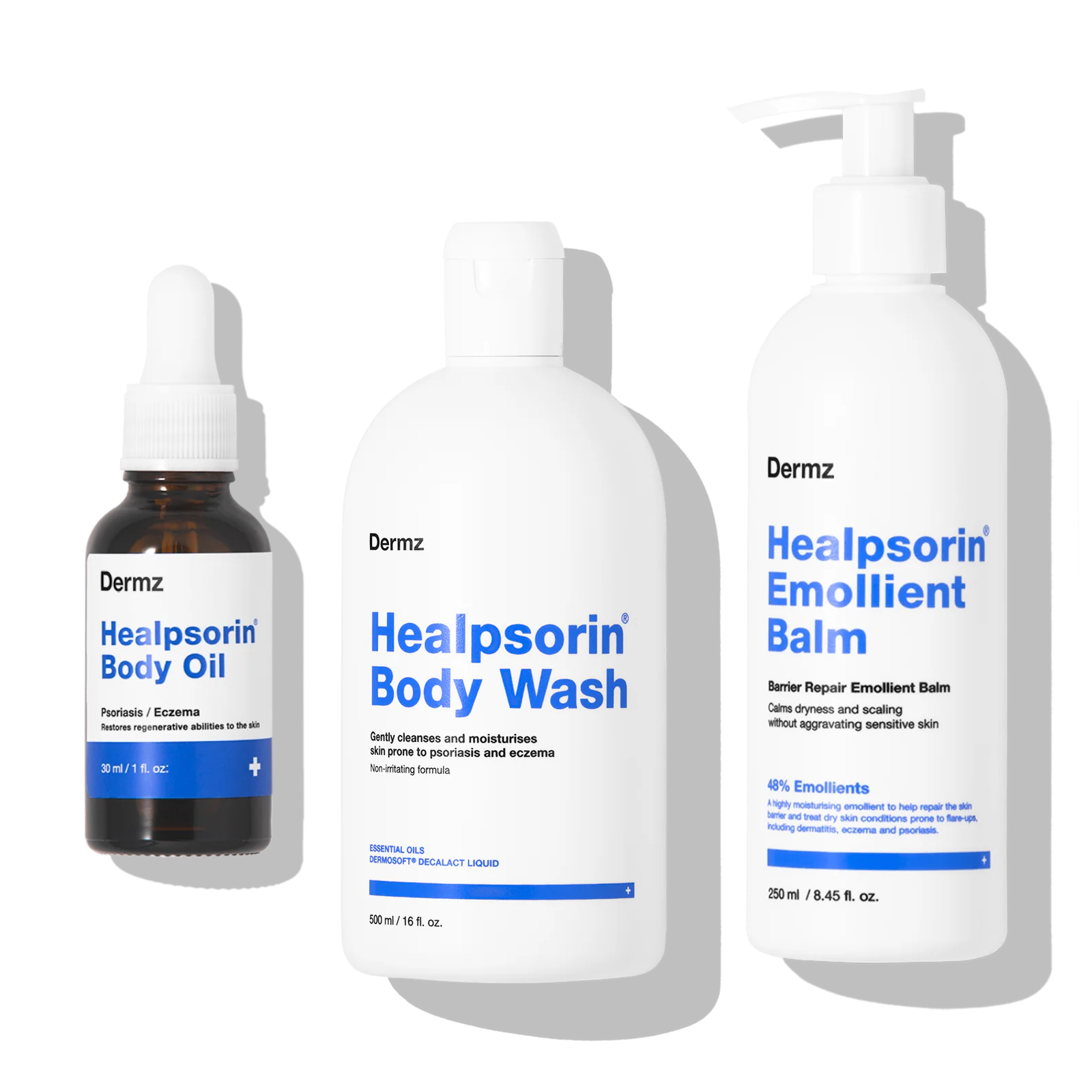
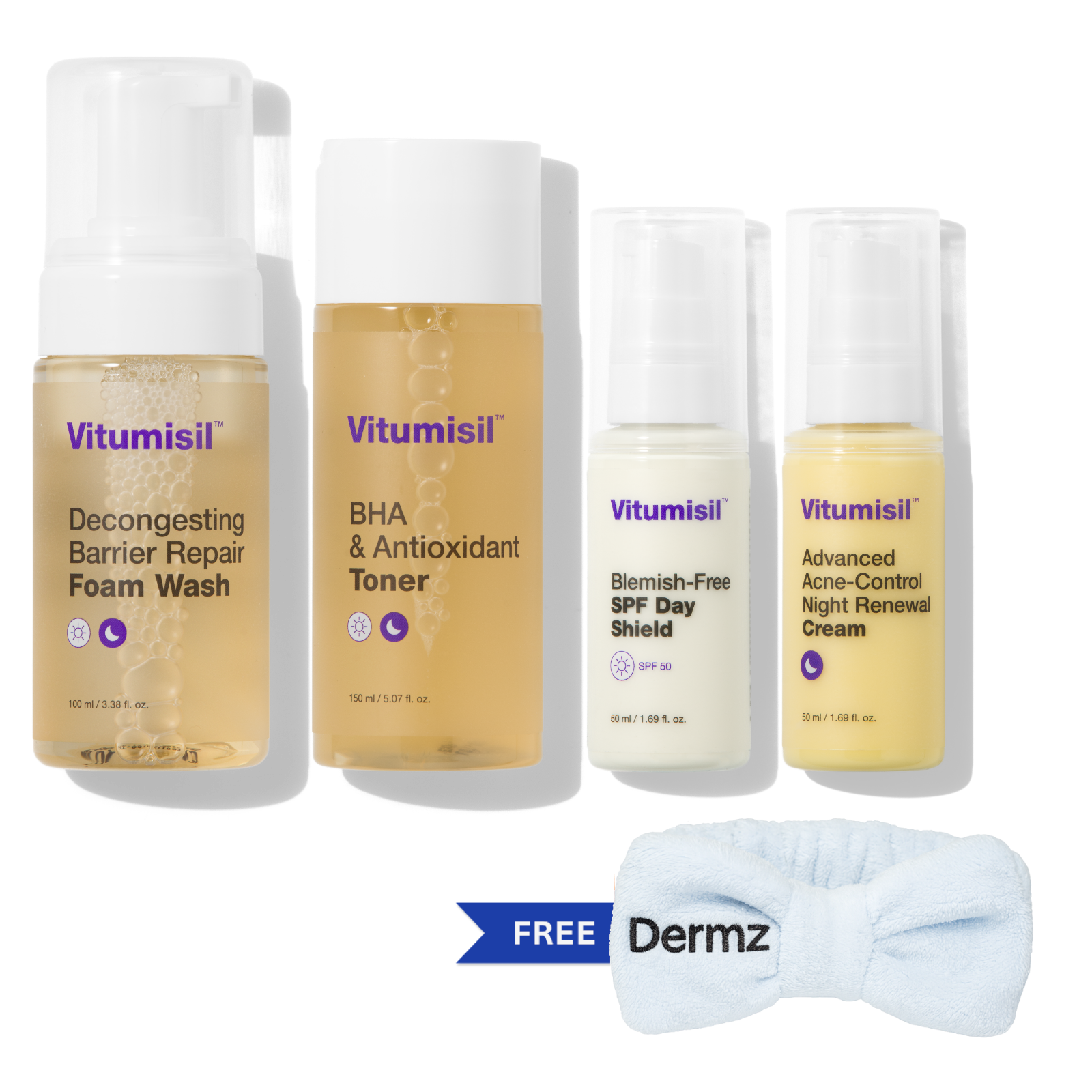
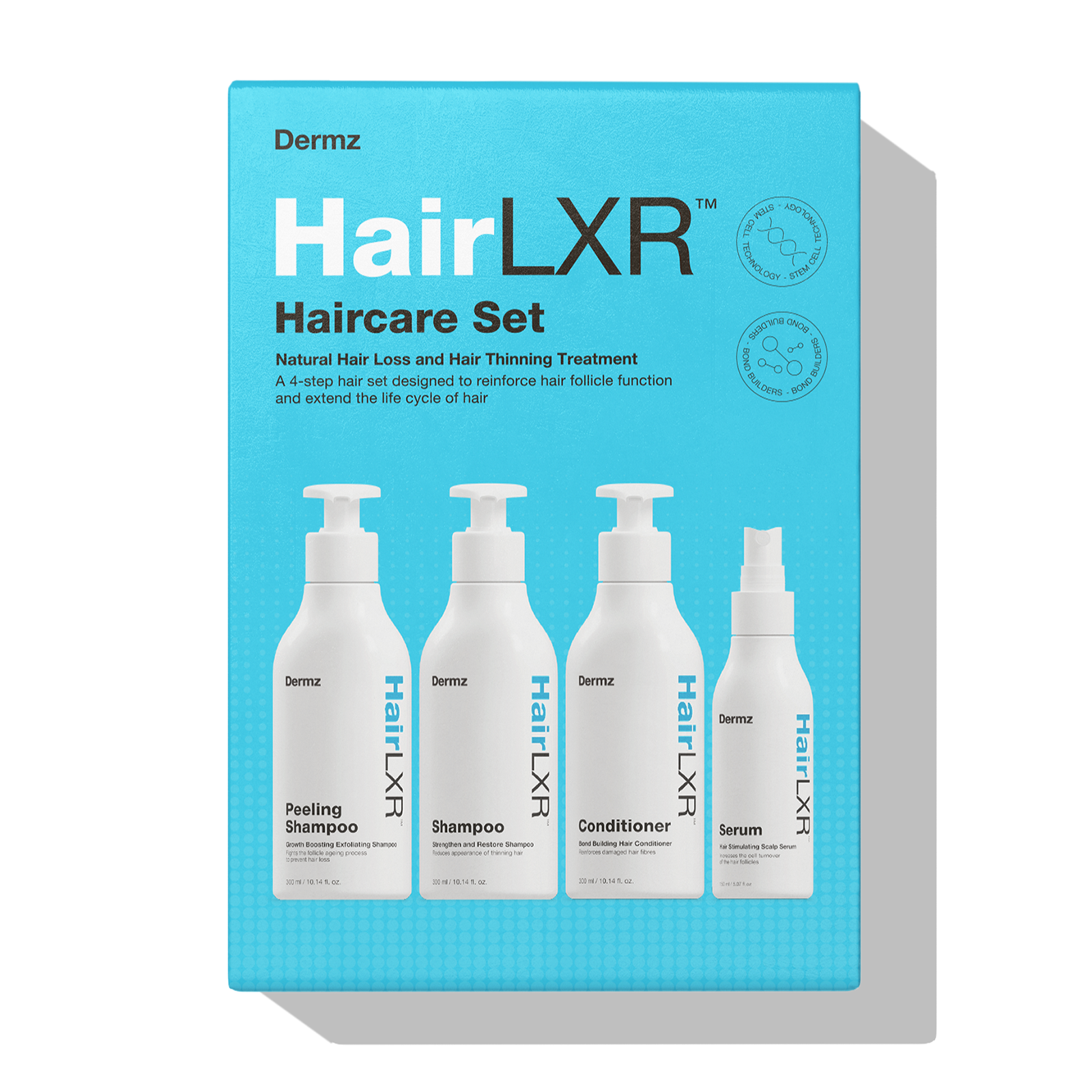
Giving a treatment time to work before rinsing makes it far more effective than a quick rinse. The Dermz Laboratories 4-Step Healpsorin Set follows this logic, pairing salicylic acid and Dermosoft Decalact for gentle exfoliation with urea, comfrey, camellia oil, chamomile and arnica to calm surrounding skin once scale lifts.

How do you build a hair care routine for managing scalp eczema and reducing flare frequency?
Managing scalp eczema well means running two distinct weekly structures rather than one fixed routine: an acute flare protocol used only while flare ups are active, and a daily remission maintenance plan used once the skin has settled, both aimed at cutting how often flares recur over time.
|
Day |
Acute flare protocol |
Daily remission maintenance |
|
Monday |
Medicated shampoo + leave-on treatment |
Gentle fragrance-free shampoo |
|
Tuesday |
Rest day, avoid styling heat |
Light scalp serum |
|
Wednesday |
Medicated shampoo + leave-on treatment |
Gentle fragrance-free shampoo |
|
Thursday |
Rest day, avoid styling heat |
Rest day |
|
Friday |
Medicated shampoo + leave-on treatment |
Light scalp serum |
|
Saturday |
Rest day, symptom check |
Gentle fragrance-free shampoo |
|
Sunday |
Rest day, symptom check |
Rest day |
Around each wash, a few simple habits protect the barrier: keep fingernails short to limit scratching damage, use a soft brush rather than a stiff one, avoid letting hair dry on high heat, and leave at least a day between medicated shampoo applications so the scalp is not stripped twice during back-to-back flare ups.
To monitor progress and reduce flare frequency further, keep a short diary noting the date, itch level on a simple 0–10 scale, and which hair products were used that day; reviewed weekly, this pattern reveals what genuinely calms flare ups versus what merely coincides with a good week.
Of course, this routine only works if you are treating the right skin condition. If the scalp is not responding after several weeks of consistent care, it is worth checking whether the underlying problem is actually scalp eczema, or something else entirely.
How does scalp eczema differ from dandruff and a fungal infection?
Dandruff and a fungal infection are the two conditions most often confused with scalp eczema, and the clearest way to tell all three apart is by cause, scale appearance, itch intensity, redness border, and response to antifungal treatment.
Dandruff is best understood as a mild form of seborrhoeic dermatitis affecting adults, which is why products aimed at one condition often help the other. A dermatophyte infection, by contrast, involves a fungus affecting the hair and follicles directly, often producing well-defined patches, broken hairs and sometimes bald spots, and it needs an oral antifungal treatment rather than a shampoo alone — scalp eczema sits as the reference point against which both are compared below.
|
Feature |
Scalp Eczema |
Dandruff |
Fungal Infection |
|
Aetiology |
Malassezia overgrowth + immune reactivity + barrier dysfunction |
Mild seborrhoeic dermatitis; same yeast, milder inflammation |
Dermatophyte fungus invading hair shaft and follicle |
|
Scale morphology |
Greasy, sometimes yellowish flakes |
Fine, dry, white visible flakes |
Scaly patches with well-defined, circular borders |
|
Pruritus intensity |
Moderate to intense |
Mild |
Variable, occasionally marked |
|
Erythema demarcation |
Diffuse, poorly defined redness |
Little to no redness |
Sharply demarcated, ring-like redness |
|
Response to antifungals |
Partial; ketoconazole shampoo helps but rarely resolves alone |
Good; often the primary effective treatment |
Essential; topical antifungals alone are usually insufficient, oral treatment often required |
Because dandruff sits on the same spectrum as scalp eczema, medicated shampoos often help both, and a shampoo aimed at dandruff can double as everyday scalp eczema treatments. Persistent dandruff unresponsive to over-the-counter options is worth mentioning to a pharmacist. A confirmed fungal cause, however, generally needs a doctor's prescription rather than a shampoo alone.
What is cradle cap and how does it relate to scalp eczema in babies?
Cradle cap is the infant form of seborrhoeic dermatitis: a harmless, self-limiting condition that usually appears in the first few months of life and resolves on its own without treatment.
Its physiology traces back to the mother: a newborn's sebaceous glands remain temporarily influenced by maternal hormones carried over from pregnancy, which raises oil production on the scalp and encourages the greasy, adherent scale typical of the condition. This is a different mechanism entirely from infantile atopic dermatitis, which stems from the baby's own immune system and barrier genetics rather than residual maternal hormones.
Several features reliably separate the two:
-
Onset timing, appearing within the first three months versus starting slightly later for atopic dermatitis
-
Distribution, staying mostly on the scalp and skin folds versus atopic eczema spreading to the cheeks and the creases of elbows and knees
-
Discomfort level, rarely bothering a baby versus atopic dermatitis being often intensely itchy
-
Duration, resolving within weeks to a few months versus atopic eczema following a longer, relapsing course
-
Scale texture, greasy and adherent versus the drier, more diffuse flaking typical of atopic dermatitis
At home, gentle washing with mild baby shampoo and softening scales with a little natural oil before brushing is usually enough, and no medicated treatment is needed in most cases. Speak to a GP or health visitor if the skin becomes itchy, swollen or starts bleeding, if it spreads beyond the scalp, or if it has not settled by around twelve months.

Which conditions are mistaken for scalp eczema, including head lice?
Several conditions are commonly mistaken for scalp eczema, and telling them apart from a genuine scaly rash of eczema matters for treatment, since each responds to a different approach:
-
Psoriasis, distinguished by well-defined, silvery scale with sharp borders, unlike eczema's more diffuse redness
-
Tinea capitis, caused by a fungus rather than eczema, distinguished by patchy hair loss and broken hairs, needing oral antifungal treatment rather than a topical one
-
Contact eczema, distinguished by its confinement to areas that directly touched a hair dye or hair product, with a clear starting point after a specific use
-
Scalp psoriasis, distinguished by its tendency to overlap with seborrhoeic areas, occasionally needing a dermatologist's opinion to tell apart
Head lice deserve their own mention, since they are frequently confused with flaking skin, though the differentiating features are quite distinct: nits are firmly glued to individual hairs and will not brush off easily, unlike flakes of scale, which slide off freely; live lice or eggs are usually visible close to the scalp, especially behind the ears and at the nape of the neck; and the itching tends to concentrate around discrete bite marks rather than spread evenly across the scalp.
Is scalp eczema contagious?
No, scalp eczema cannot be passed from one person to another. It develops from your own skin, immune system and the yeast that naturally lives on everyone's scalp, not from contact with someone else's skin, hair or belongings.
When do severe cases of scalp eczema require early diagnosis and a dermatologist treatment plan?
Severe cases of scalp eczema need early diagnosis and a dermatologist's treatment plan the moment home care stops being enough, and a short list of warning signs marks that point clearly.
These red flags warrant urgent medical attention rather than continued self-care:
-
Oozing, crusting or pus-filled spots over the affected areas, suggesting secondary infection
-
Pain, swelling or warmth over the skin, beyond ordinary irritation
-
Spreading, where a rash extends quickly despite consistent care
-
Fever or feeling generally unwell alongside scalp symptoms
-
Non-response, meaning no real improvement after three to four weeks of topical treatments
-
Diagnostic uncertainty, where the pattern does not clearly match scalp eczema
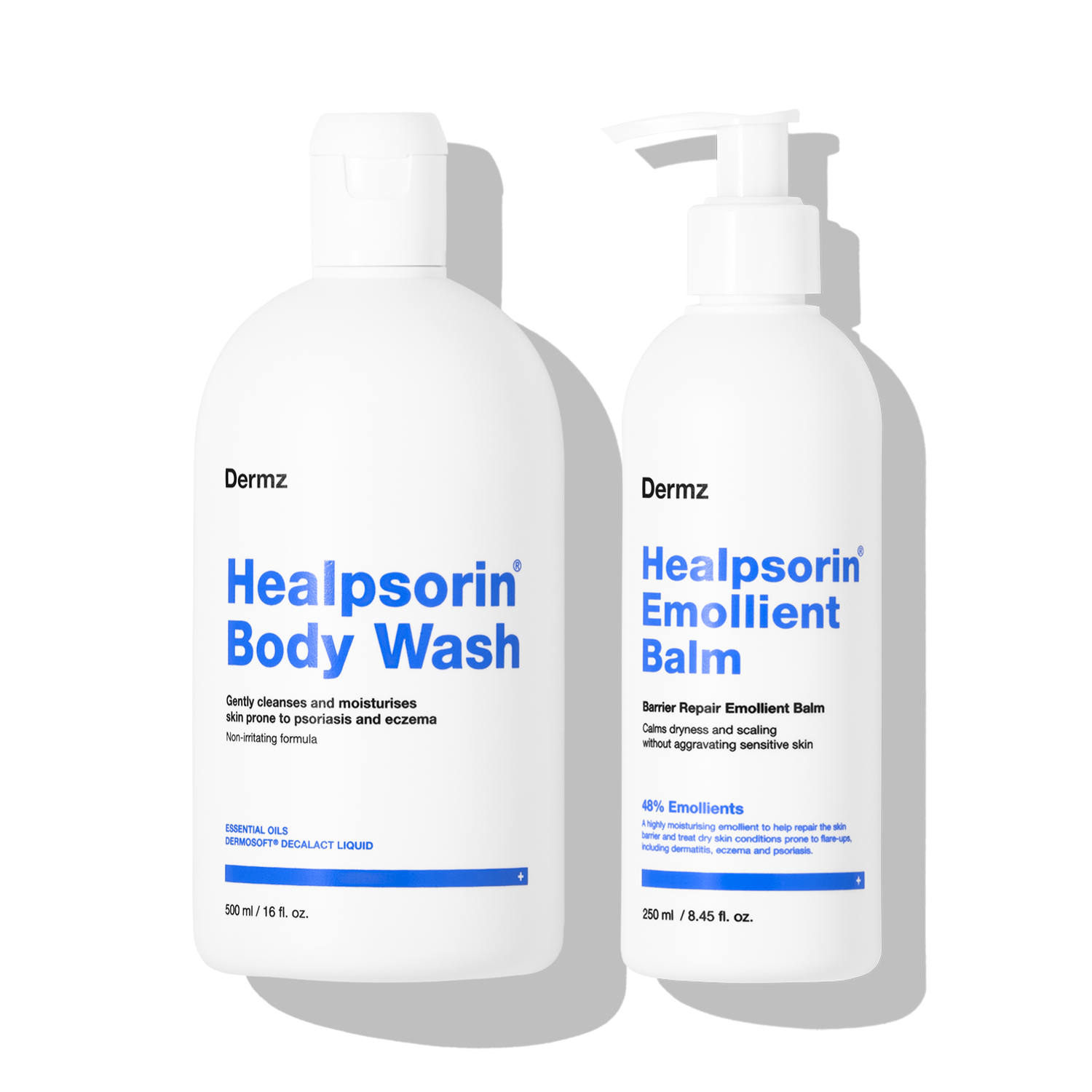
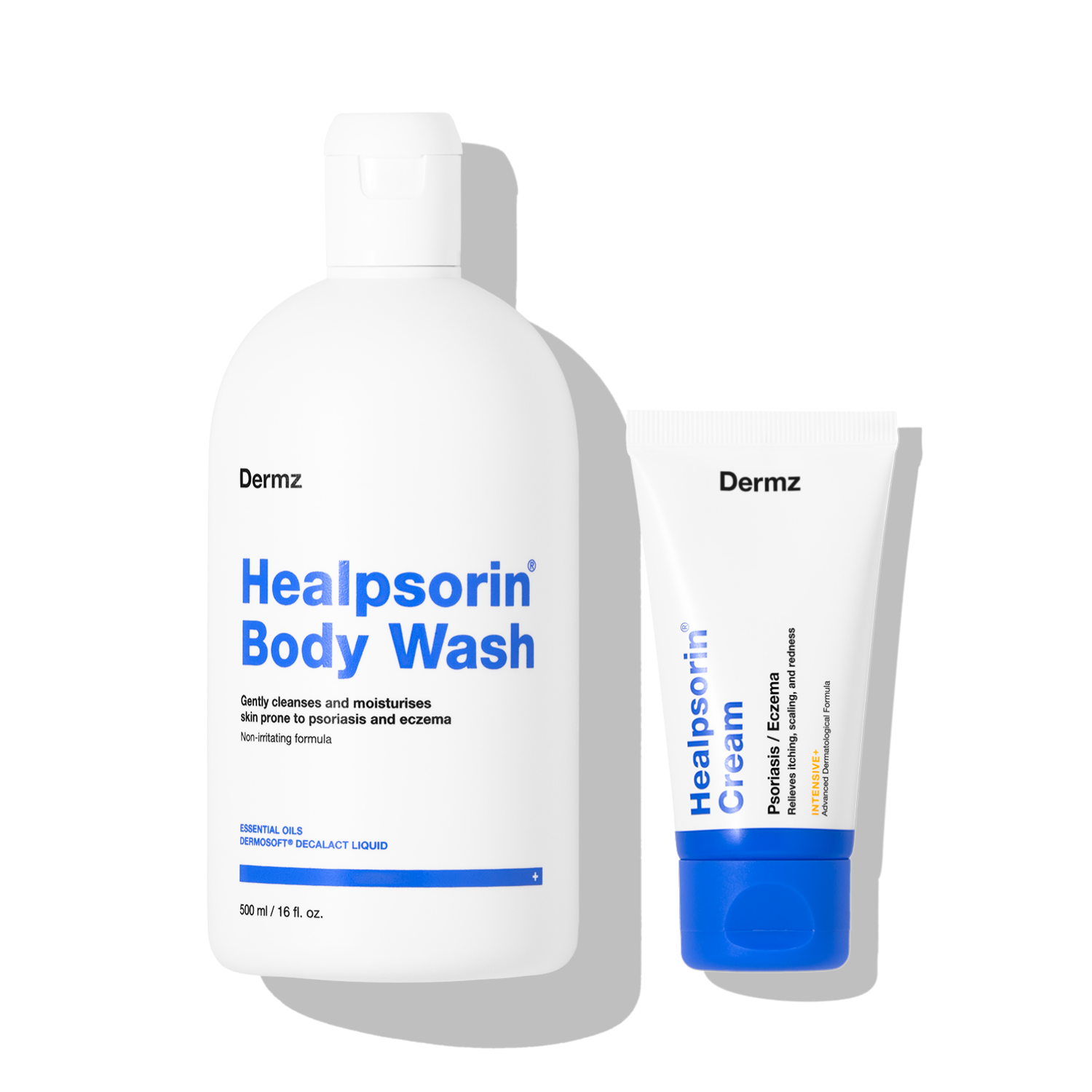
In persistent cases, ongoing inflammation may need a doctor's prescription, such as a topical steroid like Elocon lotion, or a combined salicylic acid and tar preparation for very scaly scalps. This is where steroid-free dermocosmetics such as the Dermz Laboratories range fit in: not replacing a dermatologist's care, but running alongside it as a daily maintenance layer that supports the skin and helps manage flaking during and after a prescribed course.
Which hair care mistakes worsen inflammation and prolong scalp eczema flare ups?
A handful of everyday habits are the most common cause of unnecessary lipid-barrier damage and repeated micro-trauma to already inflamed skin, and correcting them is usually more effective than any single product:
-
Wash with lukewarm rather than hot water, since heat strips away protective oils and can worsen the skin condition
-
Choose gentle shampoos free from fragrance and harsh sulphates, and avoid shampoos that leave the scalp tight, to avoid irritation
-
Dry hair on a cool setting rather than high heat, which is one of the simplest ways to reduce inflammation over time
-
Style with a soft brush and skip tight ponytails, braids or extensions that put constant tension on inflamed skin
-
Resist scratching directly, pressing or patting instead to relieve the urge without breaking the skin
-
Patch-test new hair dyes and perm solutions before full application, given how often they trigger an allergic reaction
-
Rinse thoroughly after swimming, or wear a shower cap, to avoid chlorine irritating the scalp further
An emollient such as coconut oil or olive oil is sometimes used to soothe scalp eczema and soften scale, and many find these natural oils comforting, though coconut oil in particular can irritate sensitive skin, so it is worth trying a small area first before applying either oil more widely.
Living with scalp eczema day to day
Scalp eczema rarely responds to a single quick fix, but responds reliably to consistency. Removing everyday mistakes that worsen inflammation — hot water, harsh hair products, scratching, tight styling — while supporting the skin barrier daily with gentle, steroid-free care and regular emollients gives the scalp its best chance to break the cycle of flare ups and settle into longer calm periods. Dermz Laboratories dermocosmetics are specially formulated to sit alongside this routine, offering everyday support for eczema prone skin without overpromising. With patience, most people bring their scalp eczema symptoms under control and keep them there.
Your skin story doesn't end with scalp eczema? Sign up for the Dermz Laboratories newsletter for straightforward, science-backed advice on skin health in general. Delivered whenever there's something genuinely worth knowing.
This article is intended for general information and does not replace a patient information leaflet or personalised medical advice. If you are concerned about your symptoms, please speak to a GP, pharmacist or dermatologist.
FAQ
-
Does scalp eczema ever go away completely?
Scalp eczema tends to follow a pattern of flare-ups and remission rather than disappearing for good, but most people reach long stretches of calm, clear skin once triggers are identified and a consistent barrier-supporting routine is in place. -
Can stress alone cause a scalp eczema flare?
Emotional stress does not create scalp eczema on its own, but it is a well-recognised trigger that can worsen inflammation in skin that already has an underlying barrier weakness or immune sensitivity. -
Is it safe to dye your hair if you have scalp eczema?
Hair dyeing is not automatically off-limits, but paraphenylenediamine, a common dye ingredient, is a well-known cause of allergic contact dermatitis, so a patch test 48 hours before full application is essential, even with a product used safely before. -
Why does scalp eczema seem to get worse in winter?
Cold outdoor air combined with dry indoor heating reduces atmospheric humidity, giving the skin barrier less time to recover between washes and styling, which is why many people notice more frequent or more intense flares in autumn and winter. -
Can scalp eczema affect eyebrows or the face as well as the scalp?
Yes, because scalp eczema often overlaps with seborrhoeic dermatitis, the same inflammatory pattern can extend to sebaceous-gland-rich areas beyond the scalp, including the eyebrows, the sides of the nose and, less commonly, the upper trunk.