If you struggle with psoriasis, atopic dermatitis (AD), or chronic eczema, you know perfectly well that your skin lives in a constant state of siege. Its protective barrier is damaged, meaning it is permanently open to attack: irritating ingredients in creams, allergens, and pollutants easily penetrate deeper. This is a straight path to flare-ups: intense itching, redness, and inflammation. Using aggressive, subpar cosmetics in this case is sabotage. You need something that heals and rebuilds, not just temporarily masks the problem.
Why is ingredient minimalism crucial in the care of skin with psoriasis, eczema, and Atopic Dermatitis (AD)?
Minimalism and clean composition are key because skin with psoriasis, eczema, or AD has a compromised protective barrier, making it extremely hypersensitive. Every unnecessary, irritating filler (such as harsh preservatives, cheap synthetic fragrances, dyes, or heavy paraffins) is a potential allergen that penetrates the damaged epidermis, triggering or exacerbating inflammation and persistent itching.
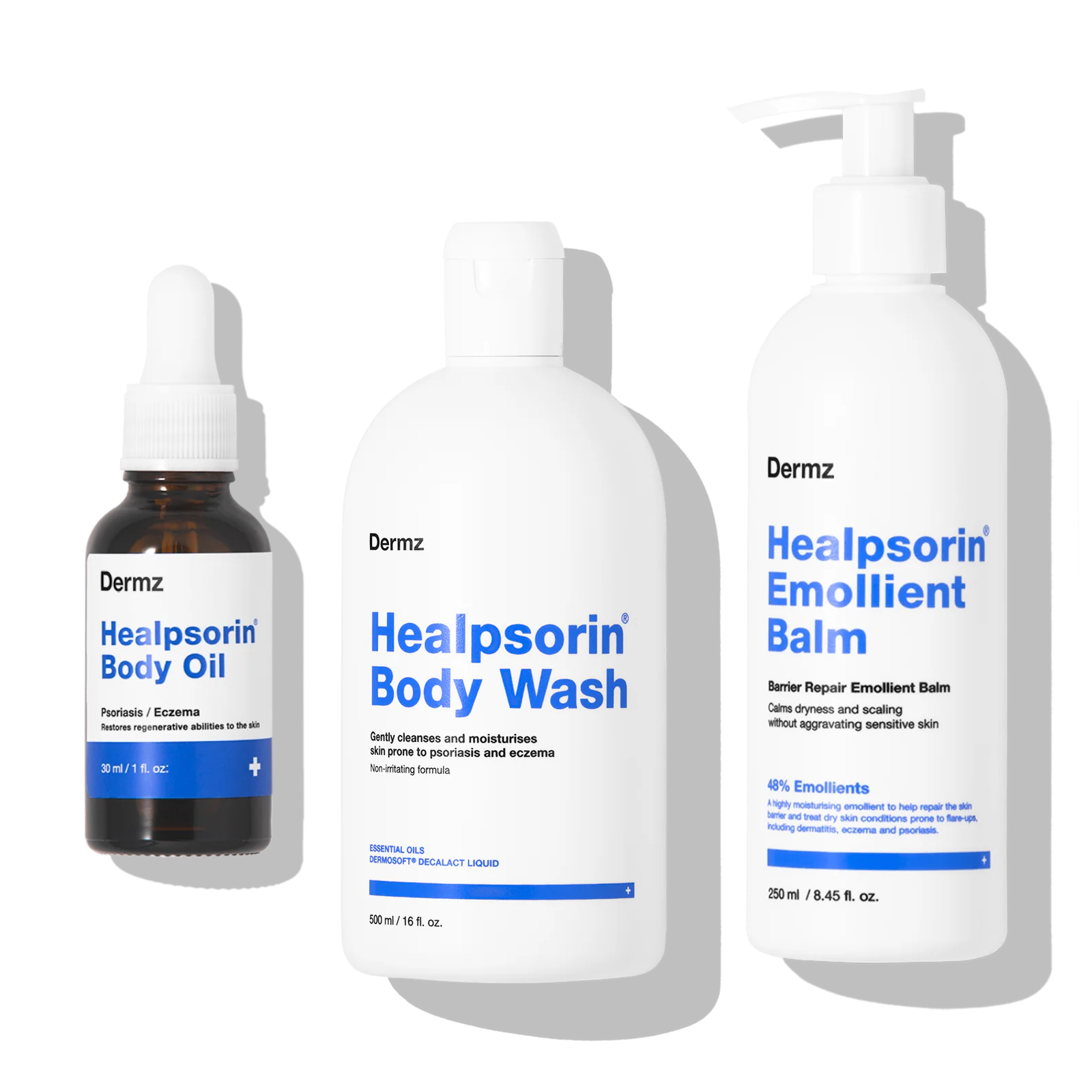
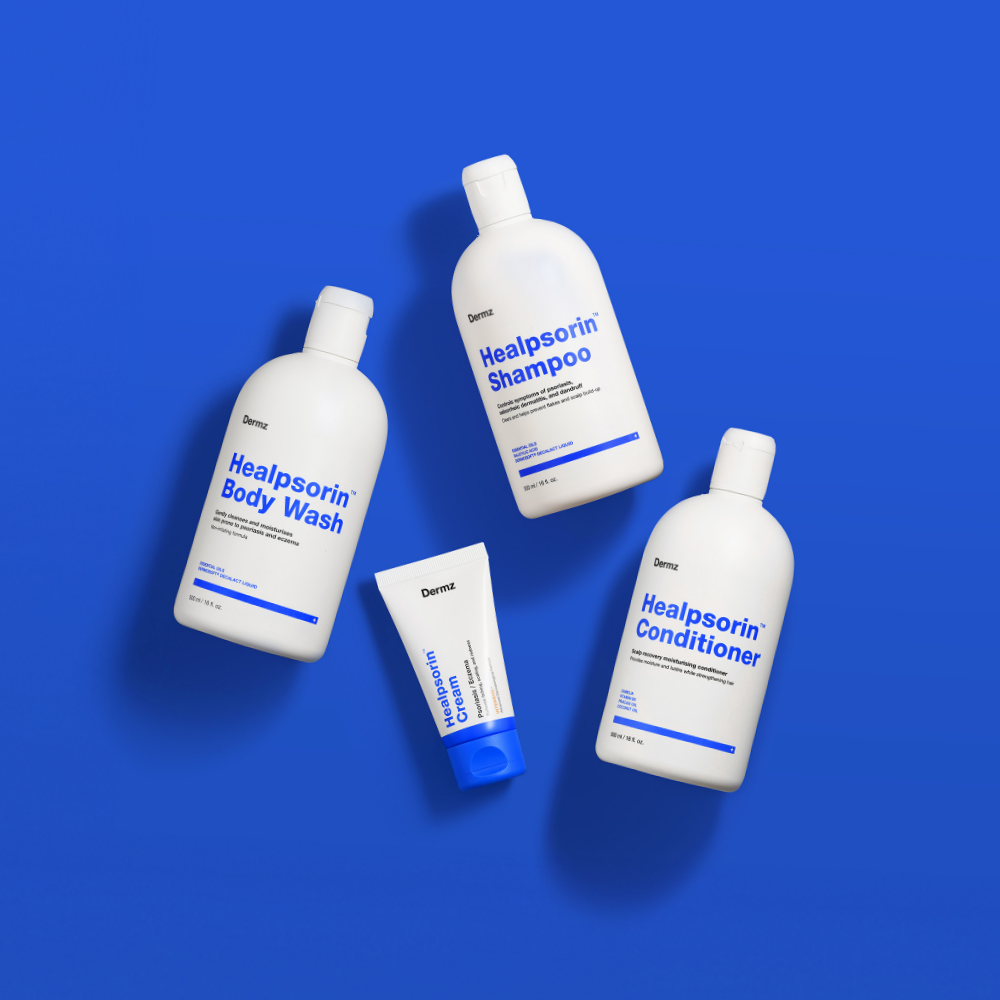
Formulas based on the clean ingredient philosophy, such as the Healpsorin line from Dermz Labs, minimize the risk of irritation. Instead of weighing the skin down with ballast, they deliver a high concentration of only those active ingredients (e.g., natural emollients, urea, plant extracts) that have proven effects: they soothe inflammation, replenish lipids, and actively support the reconstruction of the protective barrier. This care focuses on regeneration, not just a cosmetic effect, leading to a lasting improvement in skin health.
The blacklist: why atopic skin reacts poorly to cheap, irritating fillers?
Many popular creams and lotions, even those advertised as "moisturizing," are full of substances that are like salt on an open wound for your skin with AD or psoriasis.
Take paraffin, for example. Yes, it's cheap and gives an immediate feeling of smoothness and oiliness, but this is only apparent hydration. It acts like a film, creating an occlusive layer on the skin's surface. The problem is that while it temporarily limits water loss, it does not provide the skin with any building blocks. Instead of regeneration, we only have the problem covered up. Additionally, paraffin in excess can lead to "clogging" of the skin and a worsening of problems.
Other substances to avoid:
- Harsh preservatives: In excessive amounts, they disrupt the skin's natural microbiome.
- Artificial dyes and intense fragrances: These are powerful allergens that easily trigger an inflammatory reaction on sensitive and diseased skin.
- Strong detergents (SLS/SLES): Although not typical fillers, in cleansing products they can completely destroy the already fragile lipid barrier.
The mechanism of irritation is simple: the damaged epidermis cannot defend itself, and every unnecessary chemical penetrates into the deeper layers, causing a cascade of inflammation, itching, and disease exacerbation.
What is "clean composition" in the Healpsorin context, and how does it relate to the needs of psoriasis-prone skin?
The Dermz Labs clean composition philosophy in the Healpsorin line is not a marketing gimmick, but a thought-out treatment strategy. Instead of focusing on mass-filling creams and lotions with cheap, indifferent substances, they focused on the essence: active ingredients in high concentration.
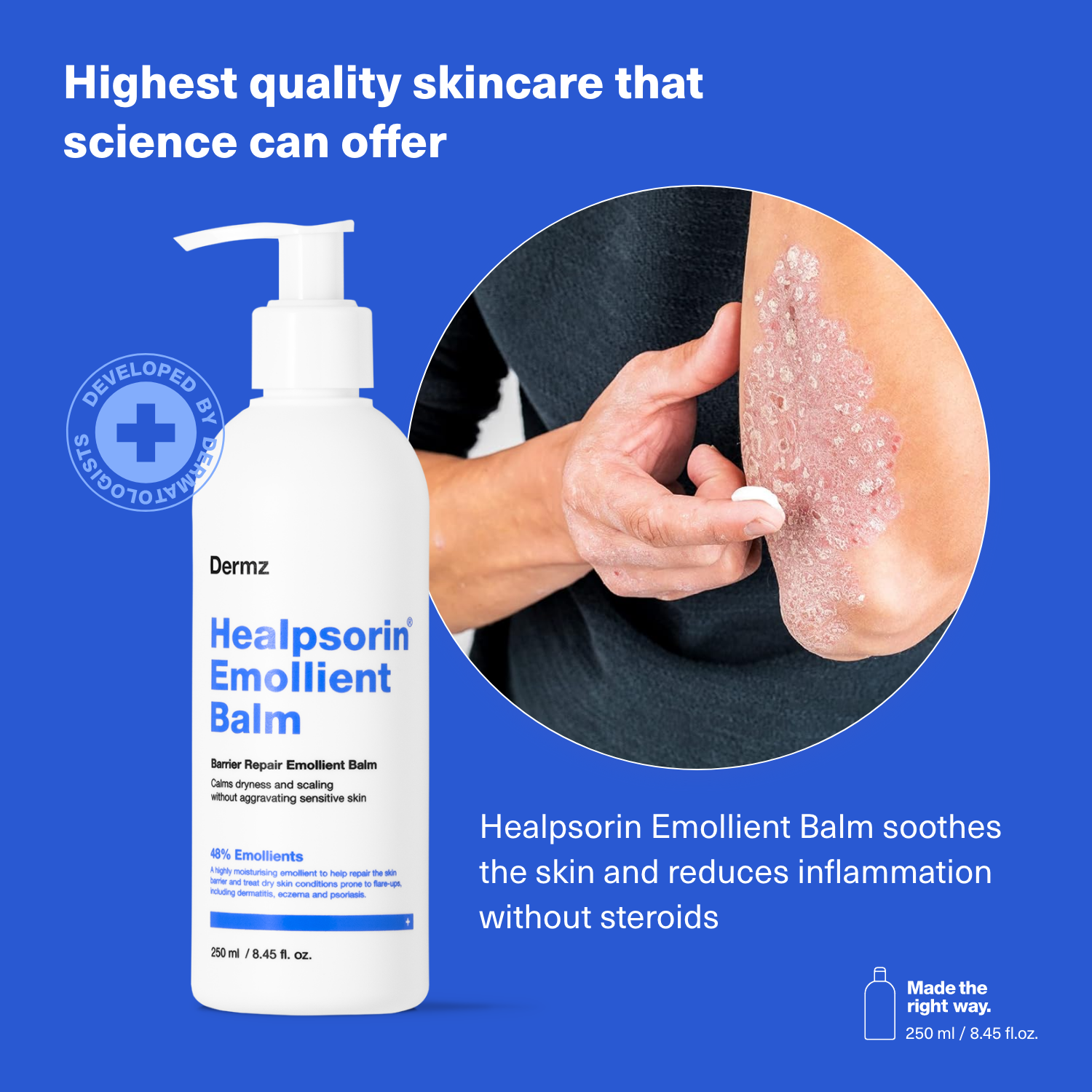
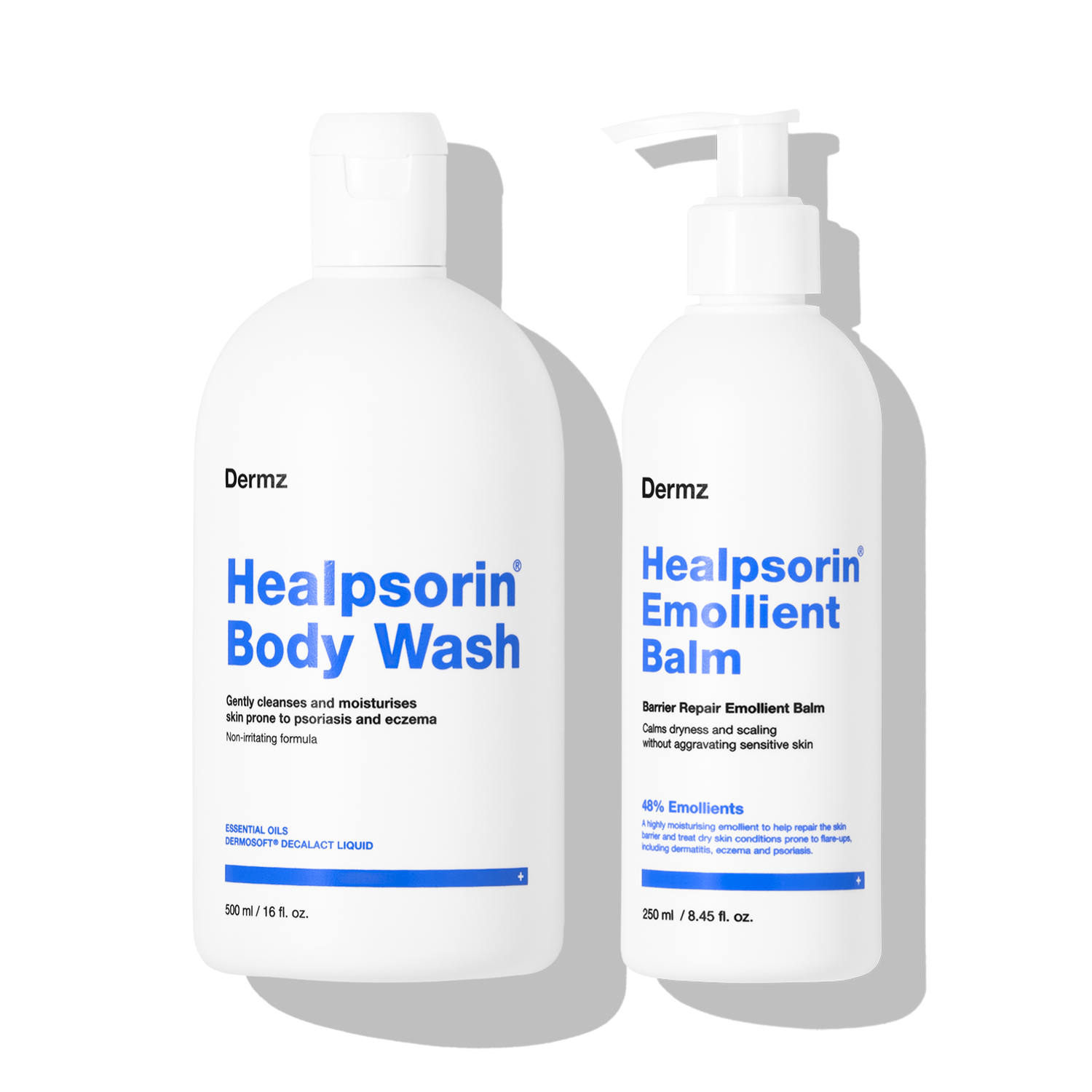
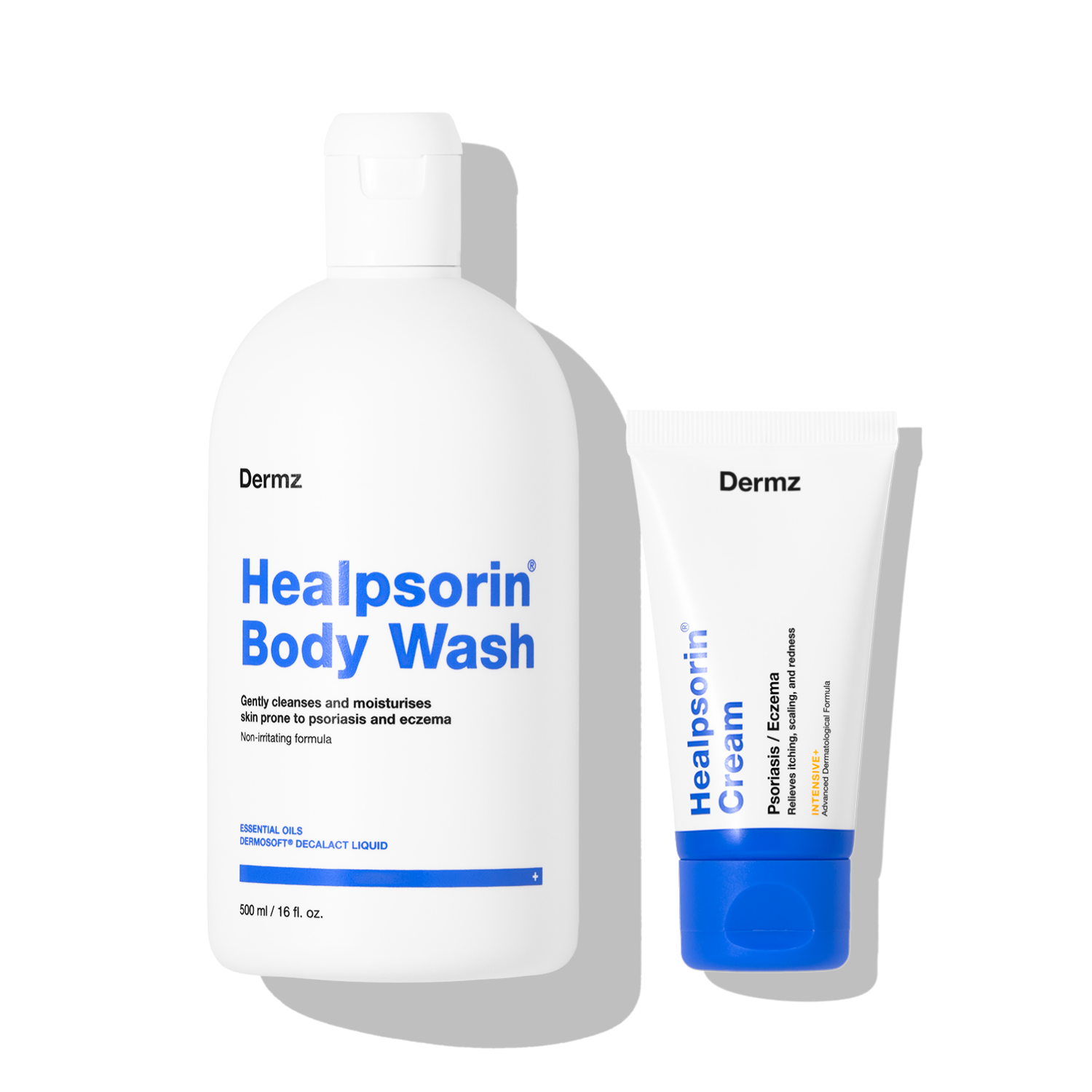
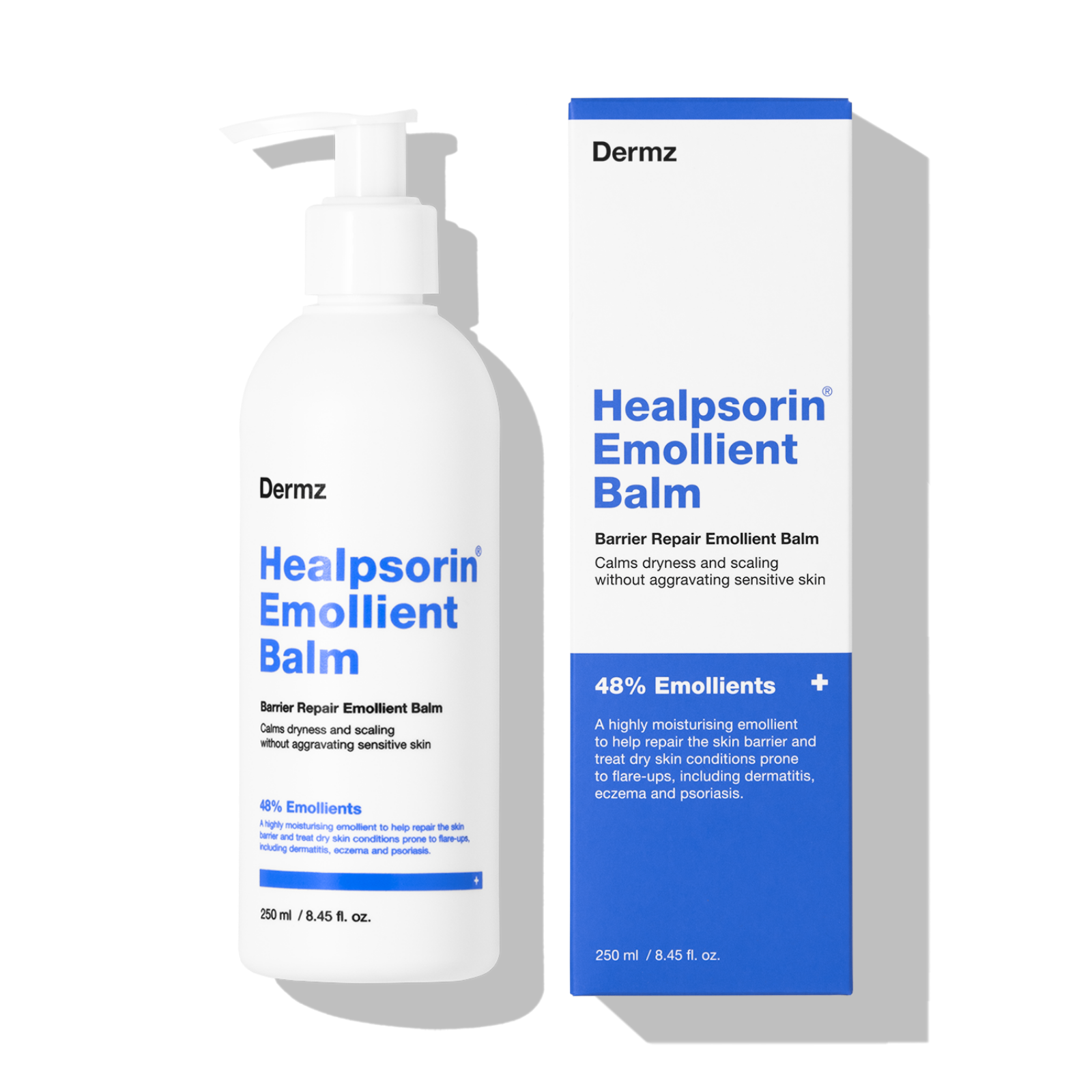
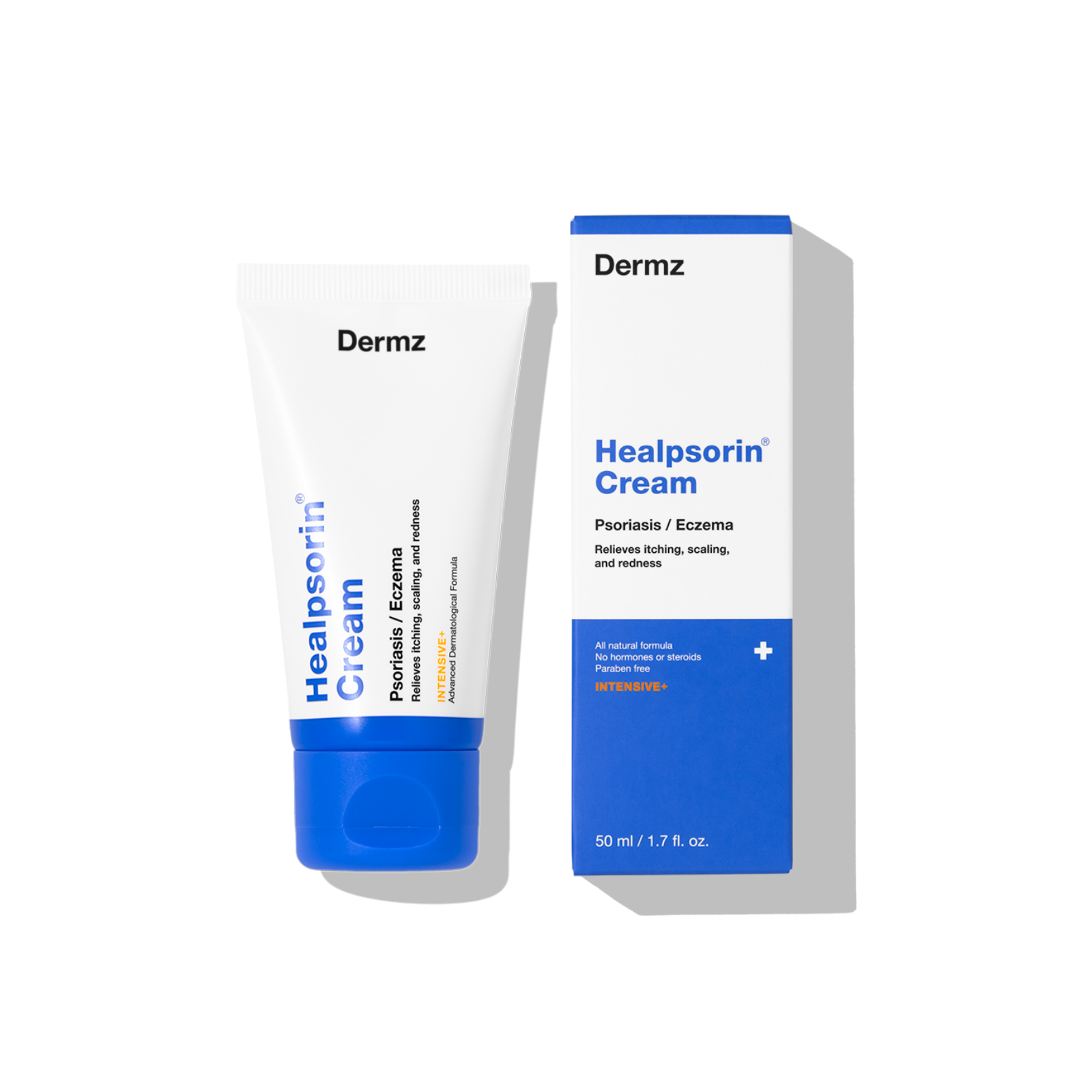
This means maximizing the reduction of ballast and focusing on ingredients that truly have the power to regenerate the protective barrier and provide targeted action. For example, in Healpsorin Cream or Emollient Balm, you will find:
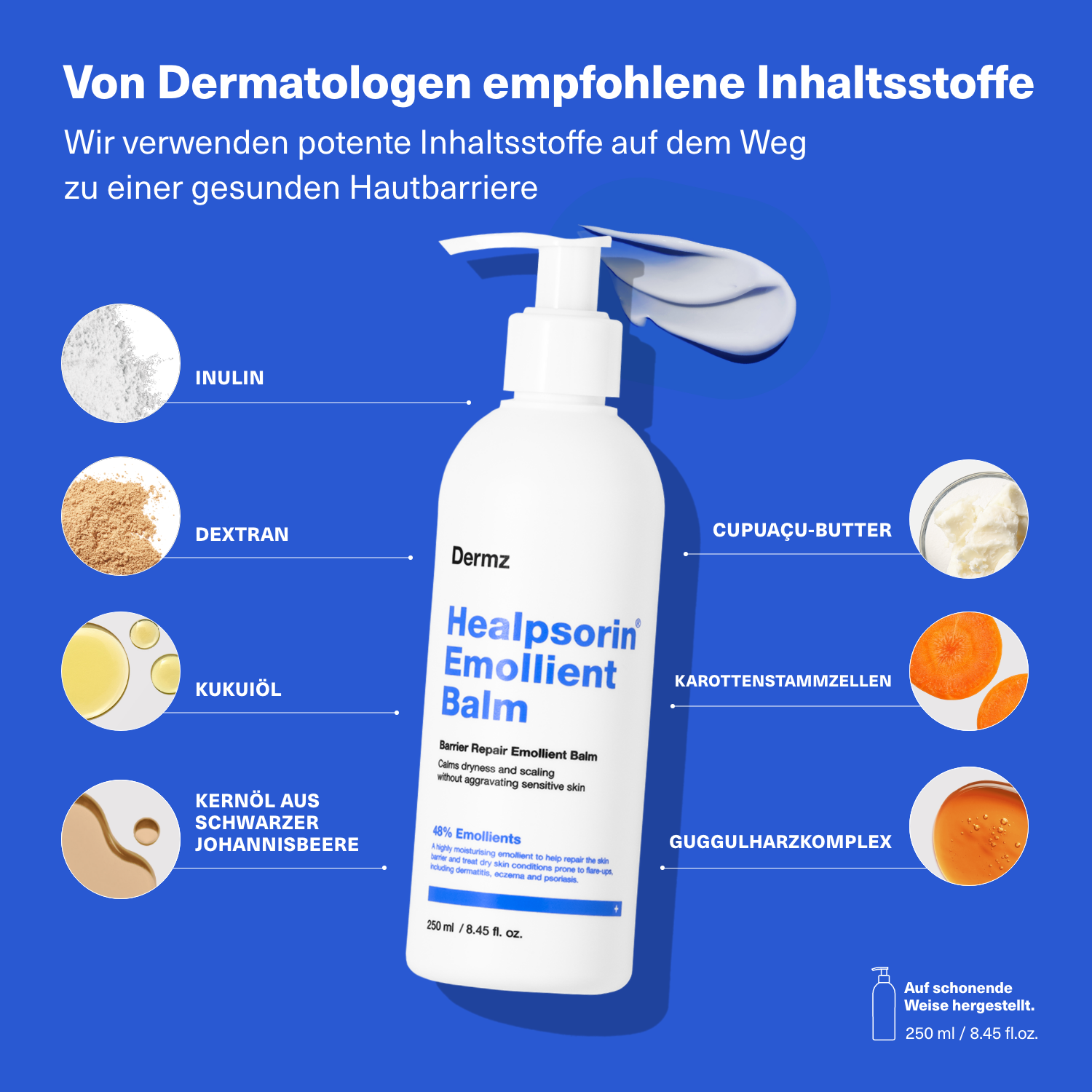
- Potent emollients and lipids (e.g., Cupuacu Butter, Kukui Oil, Coconut Oil, Shea Butter): deliver key fatty acids and lipids that are the building blocks for the damaged barrier, intensely moisturize, and restore elasticity.
- GlucodOX® Liquid (Commiphora Mukul resin extract): An ingredient present in the Emollient Balm, known for its strong anti-inflammatory, repair, and strengthening properties.
- Carrot stem cells and inulin: in the Emollient Balm, they soothe inflammation, improve skin tolerance, and protect against external factors.
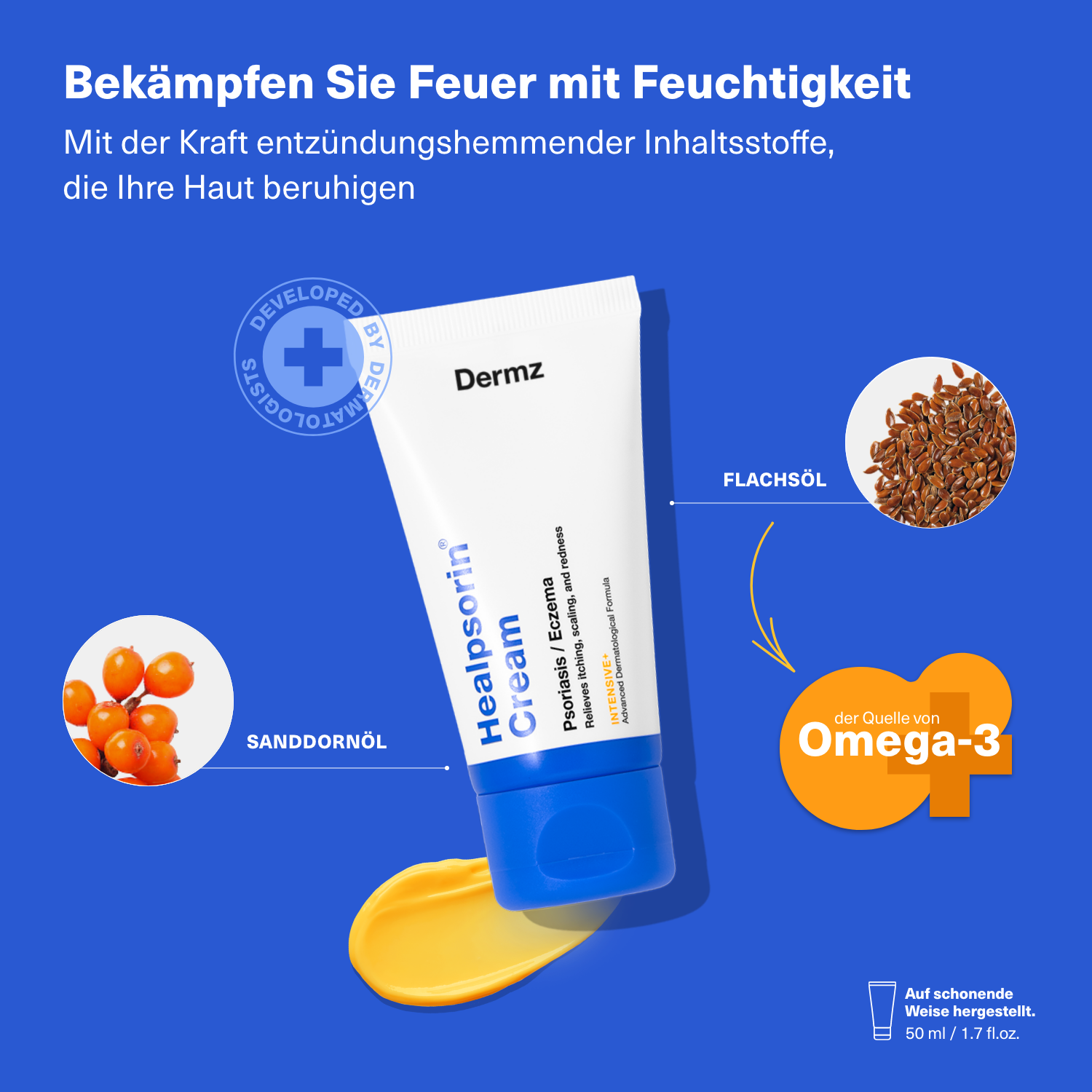
- Sea buckthorn oil and Vitamin B12: in the Healpsorin Cream, they accelerate regeneration, reduce redness, and support skin affected by psoriasis and AD.
- Macerates and plant extracts (e.g., from comfrey root, calendula flowers): targeted at soothing inflammation, irritation, and persistent itching, while supporting healing processes.
This intentional, clean composition ensures that sensitive skin receives only what is needed for repair, active symptom relief, and long-term protection, and not what could harm it.
How do Dermz Labs ingredients actively support barrier restoration?
The crucial difference between masking and regenerative action is that Healpsorin products work deep within the skin, not just on its surface.
It's not just about hydration, but about restoring microbiome balance and cellular structure. Dermz Labs formulas utilize ingredients that, among other things:
- Support the skin microbiome: Inulin or other prebiotics in the Emollient Balm feed the good bacteria on the skin's surface. A healthy microbiome means stronger, less reactive skin that better defends itself against pathogens and allergens.
- Replenish key lipids: Instead of mineral oil, plant oils are used (e.g., kukui oil, cupuaçu butter) rich in essential unsaturated fatty acids (EFAs). EFAs are necessary for the proper structure of the intercellular cement that seals the protective barrier.
- Provide anti-inflammatory action: Active plant extracts target the source of the problem - inflammation - reducing redness, swelling, and itching - which is key in the care of psoriasis, eczema, and AD-prone skin.
This is what conscious regenerative care is: supplying building material and putting out the fire, instead of just smoothing over the ashes.
Step-by-step conscious regenerative care. What routine works?
Introducing clean formulas into your daily routine is simple but requires consistency. For chronically sensitive skin, it is crucial that every step is gentle and supportive of barrier regeneration.
Here is a proposed routine using Healpsorin products:
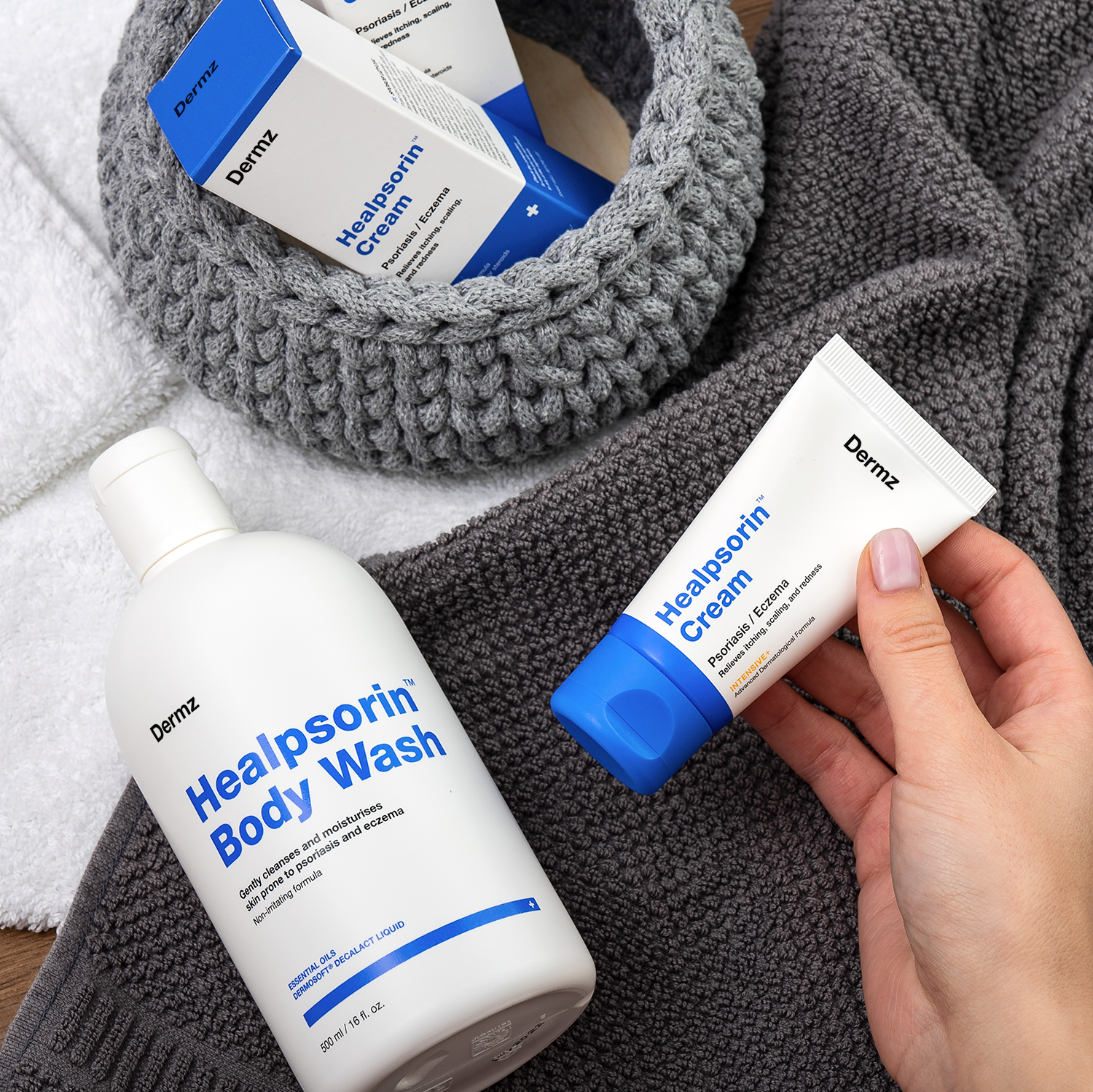
- Step 1: Gentle cleansing: use a shampoo or gel without SLS/SLES and strong fragrances. The goal is to remove impurities, not strip lipids. The ideal product gently cleanses while delivering soothing ingredients (e.g., Healpsorin Shampoo with salicylic acid and comfrey).
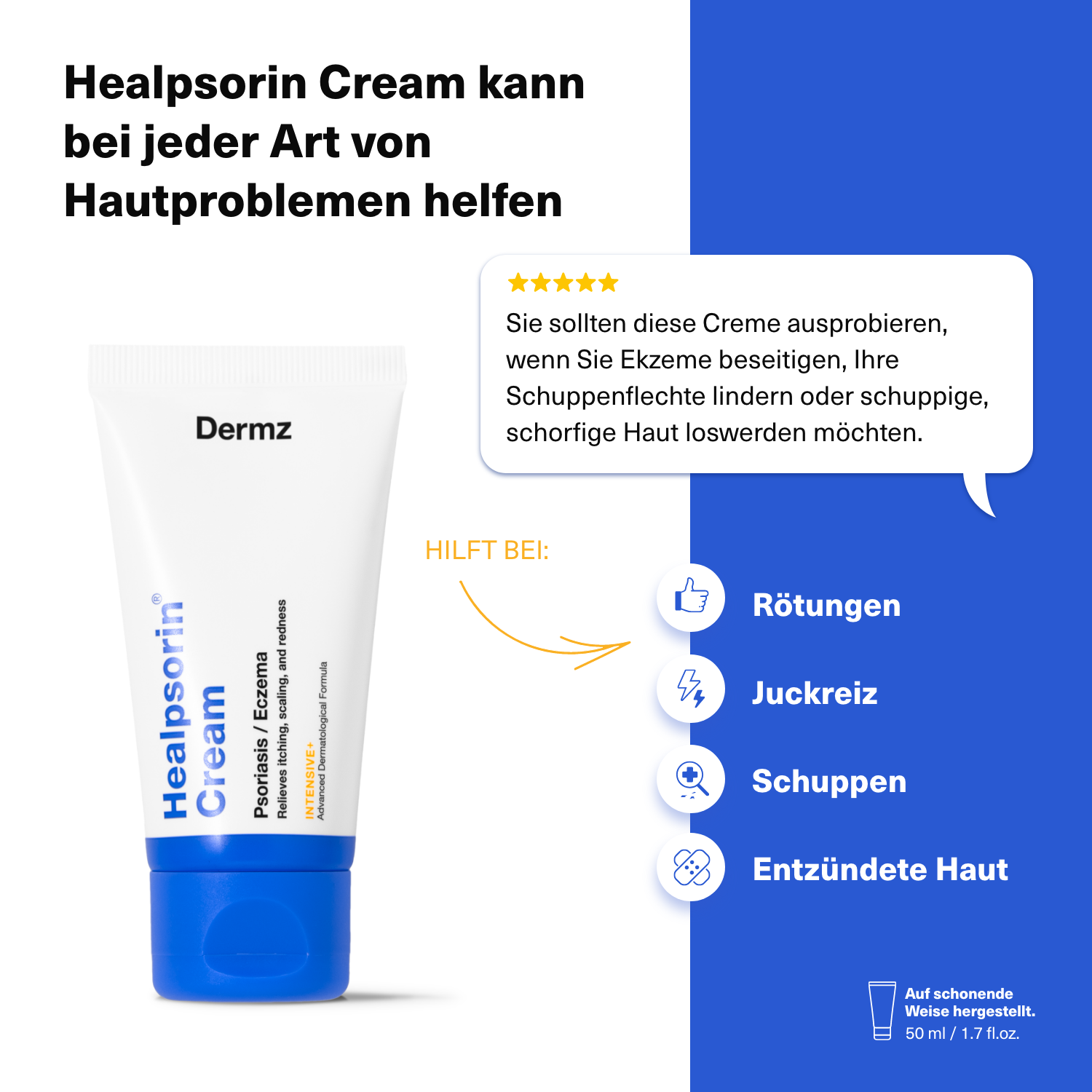
- Step 2: Soothing and targeting: after washing, apply products that actively soothe inflammation. For more severe lesions on the body, this is the time to apply Healpsorin Cream, which is designed to reduce inflammation and scaling.
- Step 3: Intense regeneration (Emollient/Moisturizing): apply Emollient Balm. It is crucial to massage it into the skin immediately after bathing while the skin is slightly damp. A clean-composition emollient balm creates a protective layer that prevents water loss and delivers rebuilding lipids.
Choosing dermocosmetics with a clean, minimalist composition is not an option but a necessity for skin with psoriasis, eczema, or AD. Dermz Labs' responsible formulas, free from irritating fillers and artificial additives, prioritize regenerative action. It is this daily, thoughtful care and consistency in supplying the skin with building blocks, rather than just empty promises, that brings lasting relief and health.
FAQ - frequently asked questions
1. Which irritating fillers and ingredients are most harmful to skin with psoriasis, eczema, or AD?
The most harmful are those that give an immediate cosmetic effect but lack nutritional or regenerative value, while having a high irritating potential. Definitely avoid paraffin (Mineral Oil) as the main ingredient (it gives the illusion of hydration but does not heal), strong detergents (SLS/SLES), harsh preservatives (e.g., certain parabens), and artificial, intense dyes and fragrances (Parfum/Fragrance, especially high up in the INCI list). For sensitive skin, any of these can trigger a flare-up.
2. Are expensive cosmetics always synonymous with regenerative action?
No. The price often includes marketing, packaging, or brand prestige costs, and not necessarily a high concentration of actually effective ingredients. For conscious regenerative care, the key is a clean composition and a high concentration of active substances with proven effects (such as ceramides, urea, natural oils, and extracts). It's worth investing in dermocosmetics that clearly communicate the concentration and intended action, rather than overpaying for luxurious packaging.
3. I have psoriasis on my scalp. Can I use a normal anti-dandruff shampoo?
It is not recommended. Most standard anti-dandruff shampoos are too aggressive. They contain strong detergents (SLS/SLES) and often alcohol, which disrupt the scalp's lipid barrier, provoking dryness and exacerbating scaling and itching. Psoriasis-prone skin requires gentle cleansing and regenerative action. A better choice would be a specialized shampoo with mild cleansing agents, salicylic acid, and anti-inflammatory ingredients (like the Healpsorin formula).
4. How long does it take to see lasting effects of skin barrier restoration?
Although immediate relief (e.g., reduced itching) may occur after a few days, lasting regeneration and restoration of the protective barrier is a biological process that takes time. The epidermal renewal cycle lasts about 28 days. Expect visible, stable improvement in the condition of sensitive skin (less reactivity, rarer flare-ups, better hydration) after 4 to 8 weeks of regular use of clean-composition products focused on regenerative action.
5. How does Dermz Labs Emollient Balm differ from petroleum jelly, which is also greasy?
Petroleum jelly (a type of paraffin) and similar substances only work occlusively, meaning they create a barrier on the skin to prevent water loss. However, they do not provide nutrients or building material. Dermz Labs Emollient Balm, e.g., Healpsorin, is based on natural oils and butters (Cupuacu Butter, Kukui Oil, Coconut Oil) that deliver active ingredients and lipids necessary to rebuild the barrier from within. This is the fundamental difference: petroleum jelly masks, the Healpsorin formula heals and supports barrier restoration.
6. Why does my AD skin itch after applying a "regular" cream?
The most common reason is irritating fillers and additives that easily penetrate the compromised protective barrier. Intense itching after applying a cream with paraffin, a strong scent (Parfum), or a synthetic dye is a classic reaction of sensitive and atopic skin to an allergen or irritant. This is a signal to immediately switch to a cosmetic with a minimalist composition, focused on soothing and regeneration.
7. Can I use Dermz Labs products during flare-ups?
Yes, Healpsorin products are specifically designed for the care of psoriasis and AD-prone skin, including during flare-ups. Their clean composition, free from typical irritating fillers, minimizes the risk of irritation, and the high concentration of soothing (e.g., urea, plant extracts) and regenerative ingredients is intended to help quicker calming of inflammation and reduction of itching. In the case of very severe inflammation, always consult your dermatologist about your routine.
8. What does it mean that Dermz Labs formulas support the skin microbiome?
Supporting the microbiome means that these formulas contain ingredients (e.g., prebiotics, like inulin) that serve as "food" for the beneficial bacteria living on the skin's surface. A healthy and balanced bacterial flora is the first line of defense for sensitive skin. By supporting the microbiome, Dermz Labs formulas strengthen the skin's natural defense mechanisms, helping it to self-regulate inflammatory processes and better protect the barrier against pathogen entry.