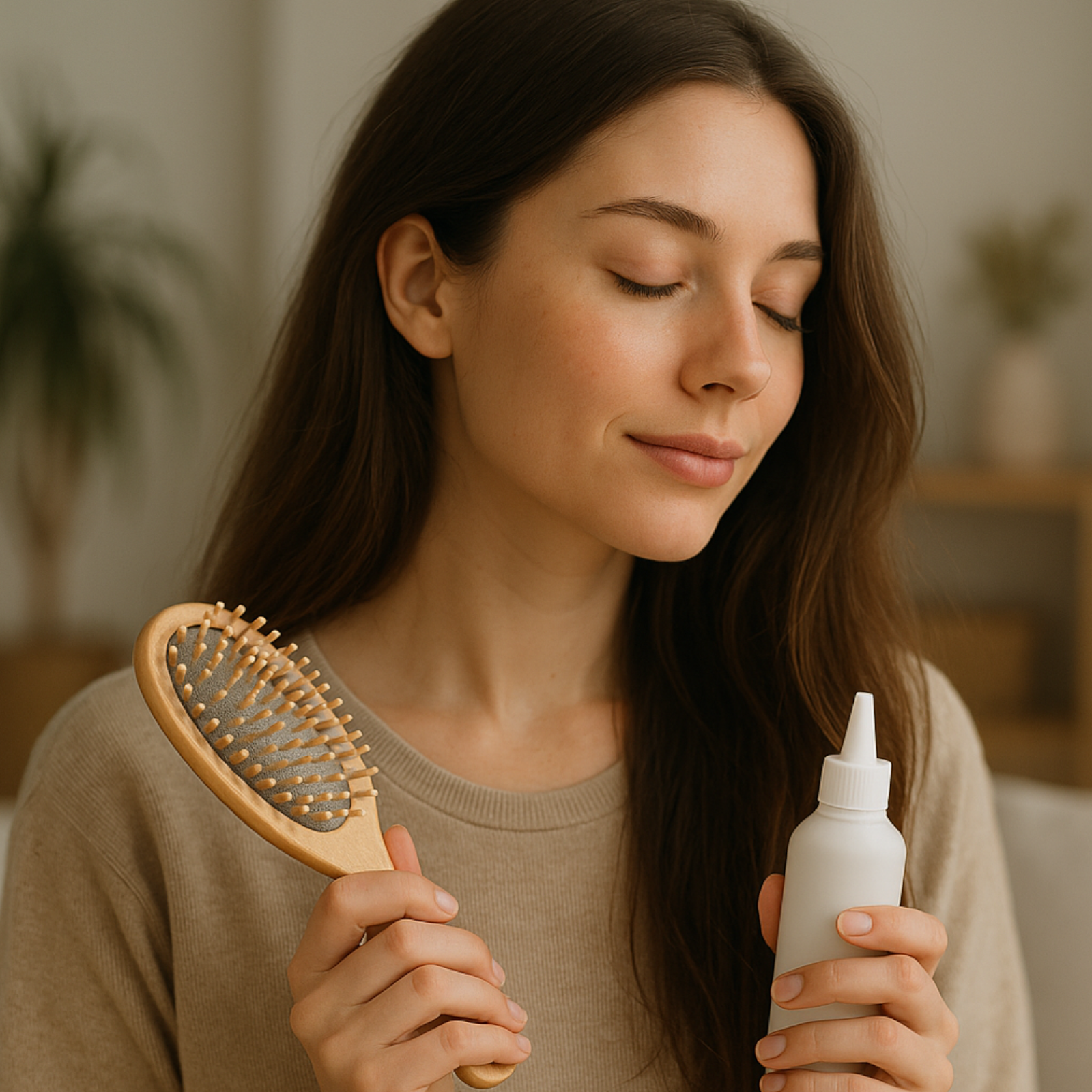

In today's world, where smoothness and glow are promised "instantly," it is easy to reach for cosmetics that offer an immediate but ultimately empty effect. Many products are loaded with artificial fillers. These are ingredients designed to improve consistency, lower production costs, or create an illusion of care. The problem is that these substances can interfere with your skin's natural repair processes instead of supporting them. Instead of healing, they mask and often cause harm, hence the necessity for conscious regenerative care.
Do paraffins and silicones really harm the skin?
Paraffins, silicones, irritating preservatives, and artificial dyes are the most common ingredients that can be called "artificial fillers." They are not poisonous in themselves, but their mechanism of action often blocks the skin's ability to self-regenerate. They provide an immediate, visual effect but carry no nourishing or healing value. Imagine supplying your skin with a building block that is hollow inside - that is what these substances do. Instead of healing, they weigh down and clog.
Artificial fillers: quick fix or true regeneration?
Many cosmetics give a quick effect - smoothness, shine, softness. However, after a few days, the skin is dry, irritated, or dull again. Why? Because instead of truly healing it, these products often "pretend" to provide care. They contain so-called artificial fillers, which only improve the surface appearance of the skin.
The Dermz Labs brand adopts a completely different approach - instead of masking, it helps the skin truly regenerate.
Which artificial fillers in cosmetics most block skin regeneration?
Artificial fillers are substances added to cosmetics mainly to improve the consistency, scent, or appearance of the product. They have no care value and often hinder skin reconstruction. The most common include:
- Silicones: provide smoothness and softness but create an impermeable film that "suffocates" the skin.
- Paraffins: leave a feeling of moisture, although they only block water evaporation in reality.
- SLS and SLES: aggressive detergents that strip away natural lipids, leading to dryness and irritation.
- Synthetic fragrances and dyes: common allergens, especially harmful to sensitive skin.
- Drying alcohols: damage the hydrolipid barrier, causing a feeling of tightness and redness.
Skin treated with such substances cannot fully regenerate because its protective barrier is constantly being weakened.
How do artificial fillers block skin regeneration?
When the skin needs to rebuild, it requires a clean and unrestricted path. Artificial fillers stand in the way like unnecessary ballast, preventing valuable active ingredients from reaching deeper layers.
What are the main mechanisms of regeneration blockage?
- Impermeable occlusion: some substances, such as heavy paraffins (e.g., Paraffinum Liquidum), form a film on the skin's surface that gives an immediate feeling of softness. The problem is that this layer is too dense—it blocks gas exchange, which is commonly referred to as skin "breathing." The skin underneath cannot naturally exfoliate (which is the basis of regeneration!), and pores can become clogged, leading to blackheads and acne.
- Barrier irritation and chronic inflammation: strong fragrances (Parfum), excessive aggressive alcohols (Alcohol Denat in high concentration), or harsh preservatives can disrupt the skin's natural hydrolipid barrier. A damaged barrier is a gateway for pathogens and allergens, leading to chronic, though often not immediately visible, inflammation. And when the skin is fighting irritation, it has no energy for regeneration.
Reading labels: how to recognize these ingredients?
If you want to give your skin a real chance for self-repair, you must become a detective when shopping. Remember that the order on the list of ingredients (INCI) matters—the higher something is, the greater its concentration.
What to avoid (or be careful of in the first INCI positions):
- Paraffins and petroleum derivatives: Paraffinum Liquidum, Petrolatum, Mineral Oil. In high concentrations, they can clog and hinder the skin's "breathing."
- Aggressive detergents: Sodium Laureth Sulfate (SLES), Sodium Lauryl Sulfate (SLS). They lather up great, but they too strongly strip away natural lipids, destroying the protective barrier.
- Strong alcohols and dyes: Alcohol Denat (at the top of the list), Parfum (especially if you have sensitive skin), as well as synthetic dyes (marked as Cl + number, e.g., Cl 15985).
Which Dermz Labs formulas support regeneration without artificial fillers?
Dermz Labs creates products that regenerate from the ground up instead of just "beautifying." Each line has a specific goal and a common principle - maximum purity of the formula, zero unnecessary fillers.
-
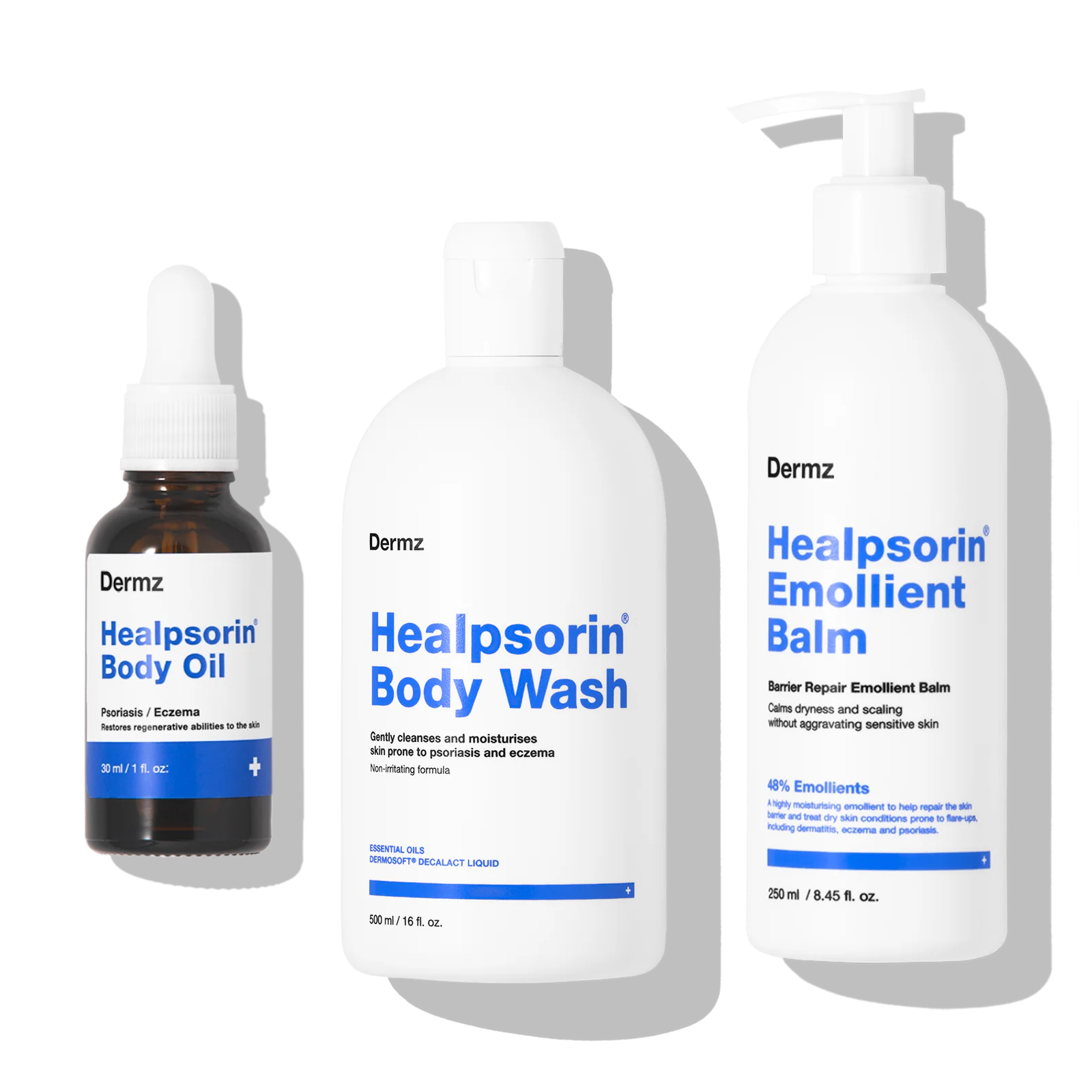
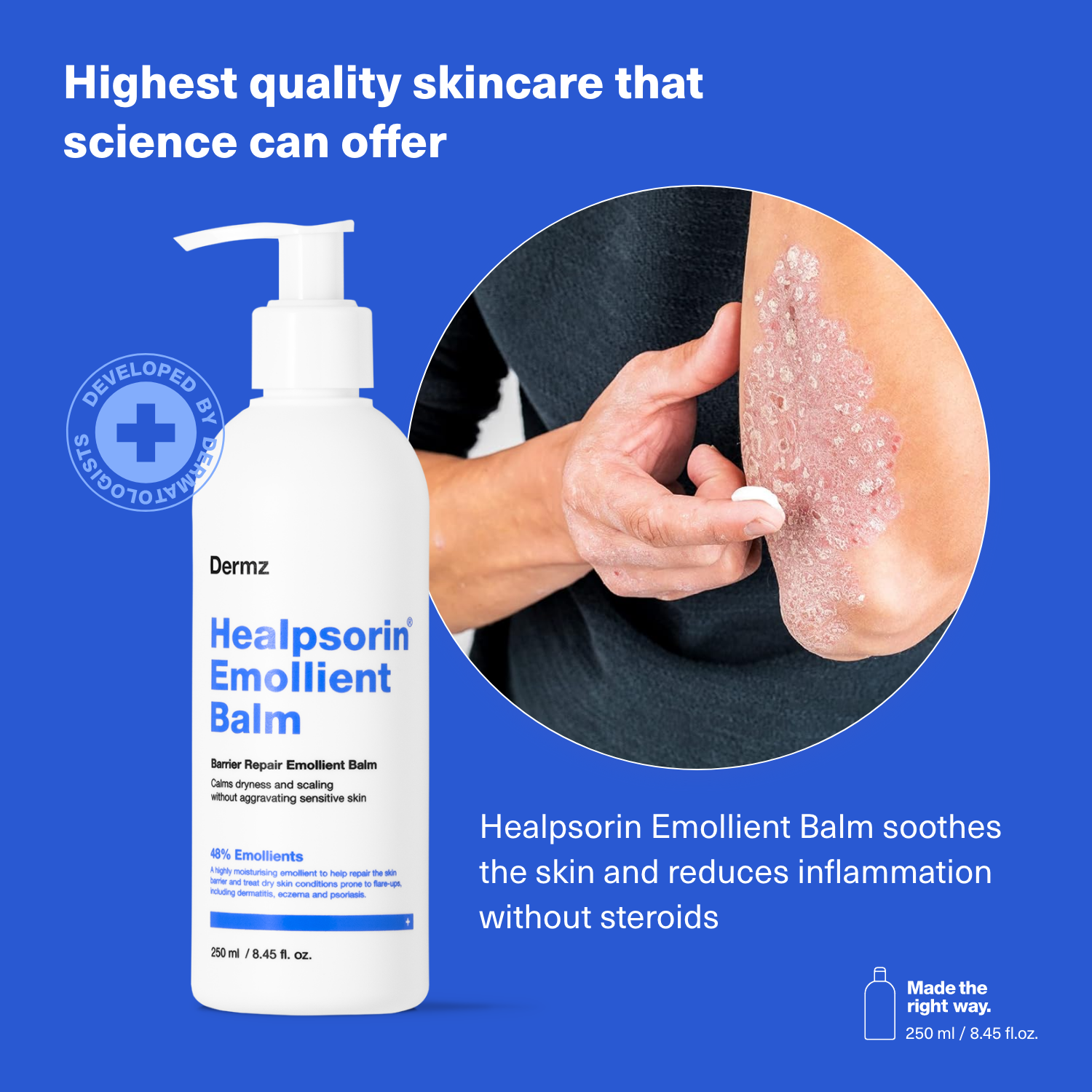
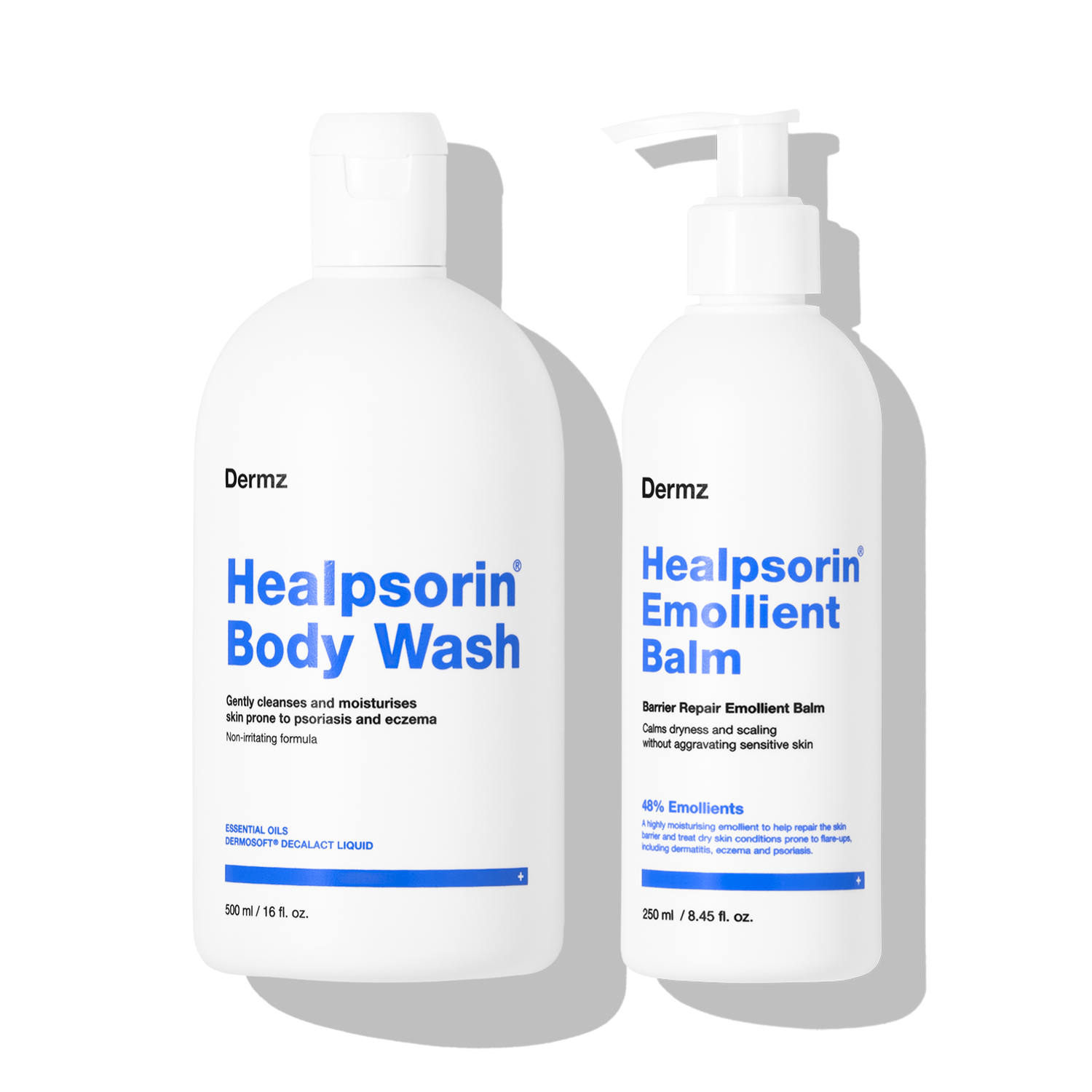
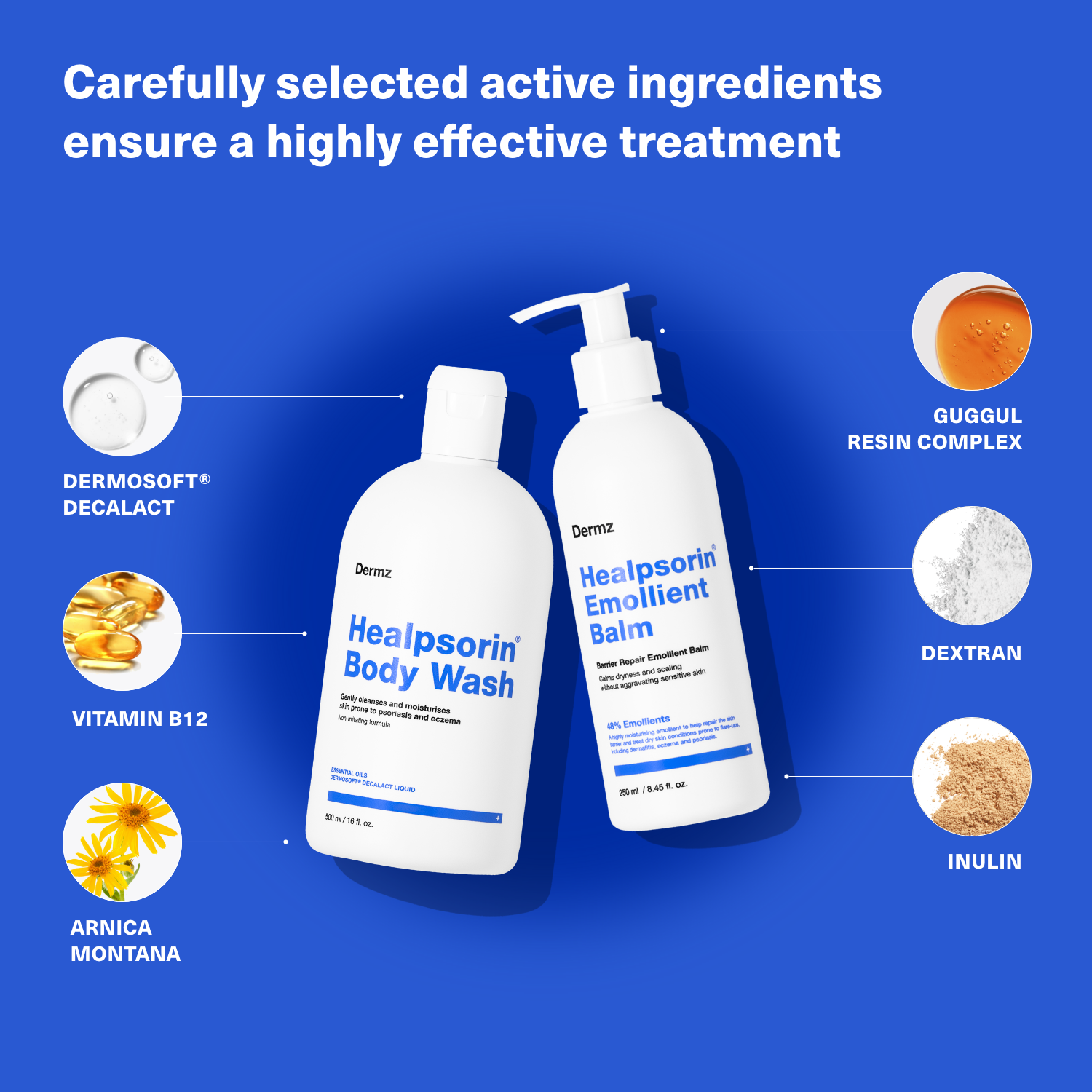
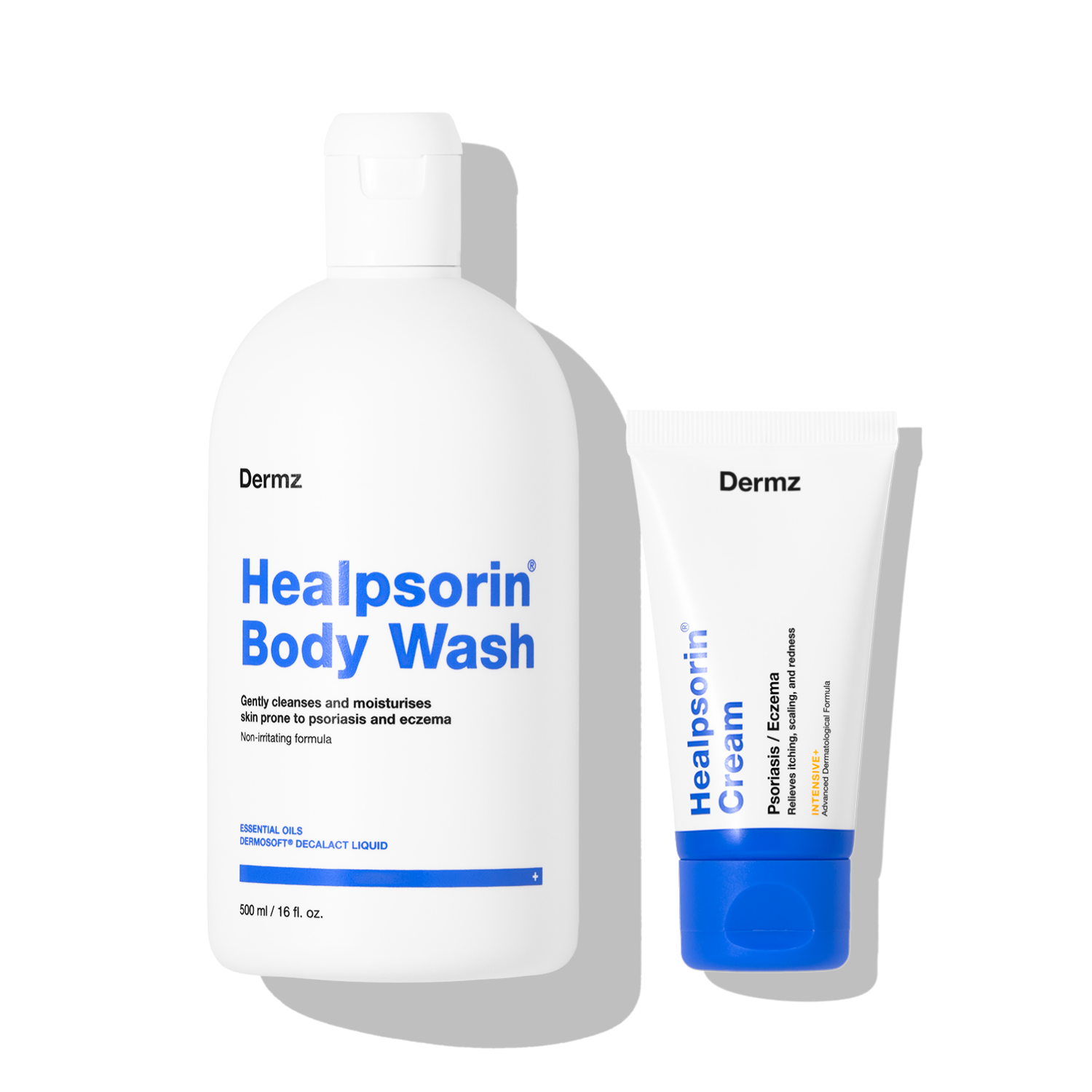
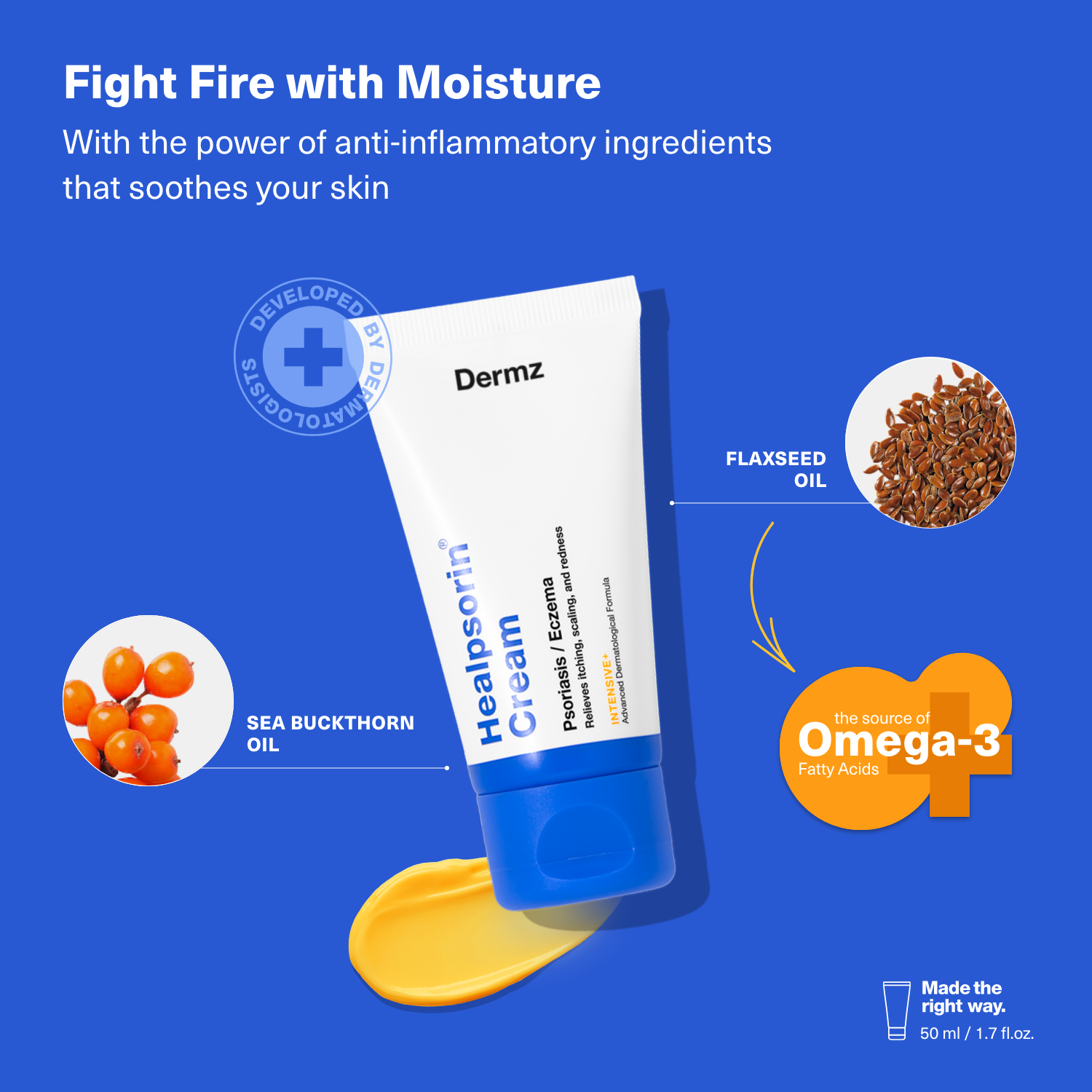
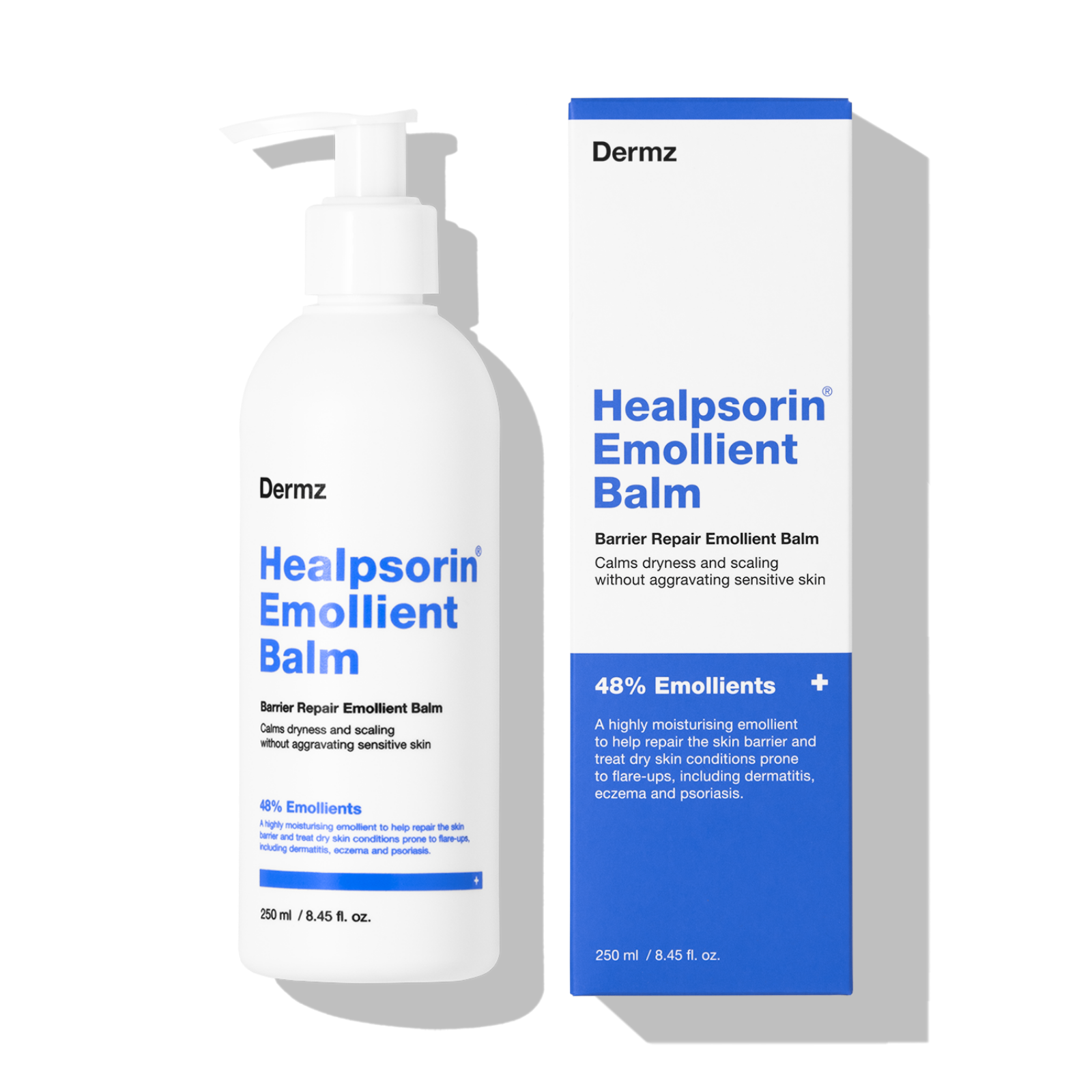
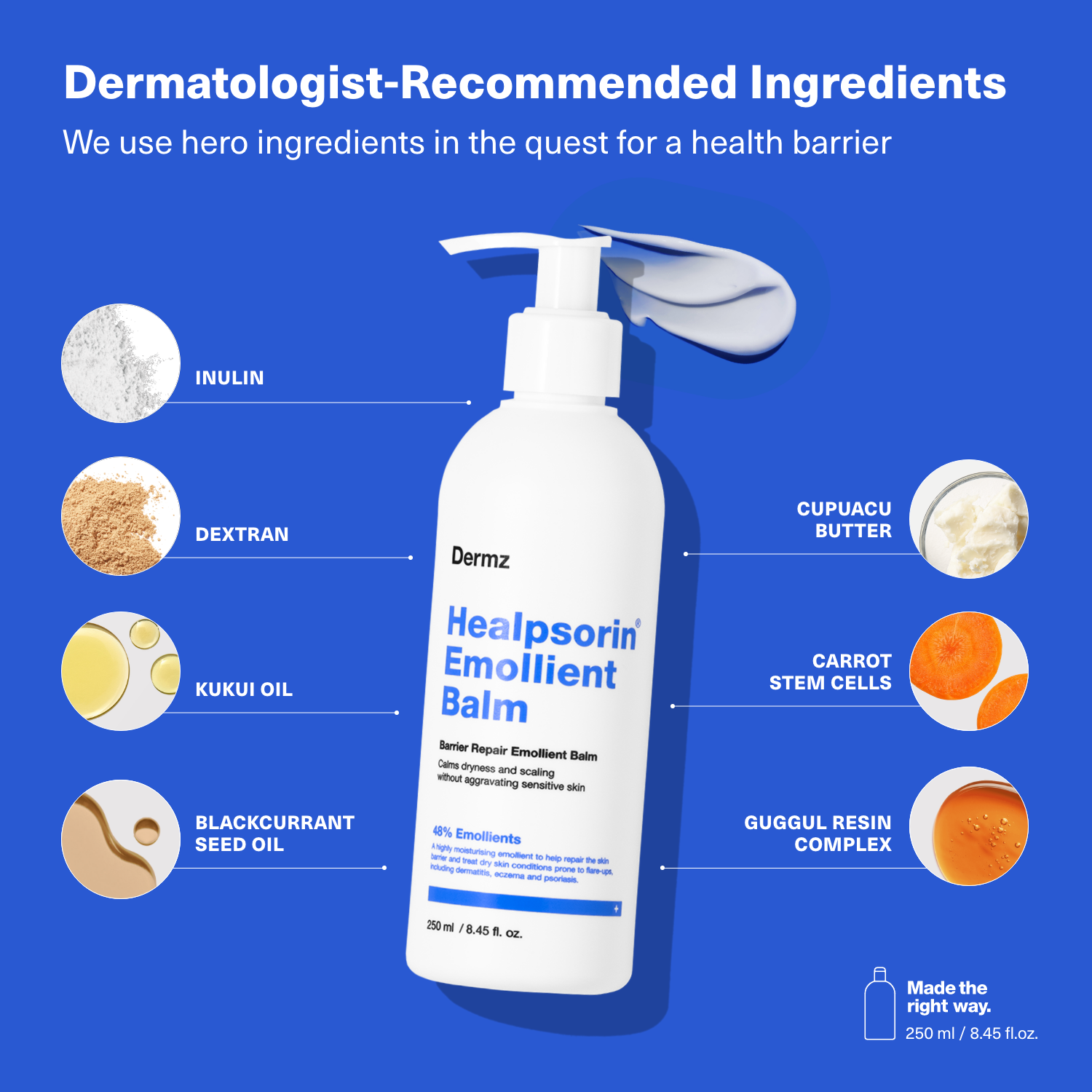
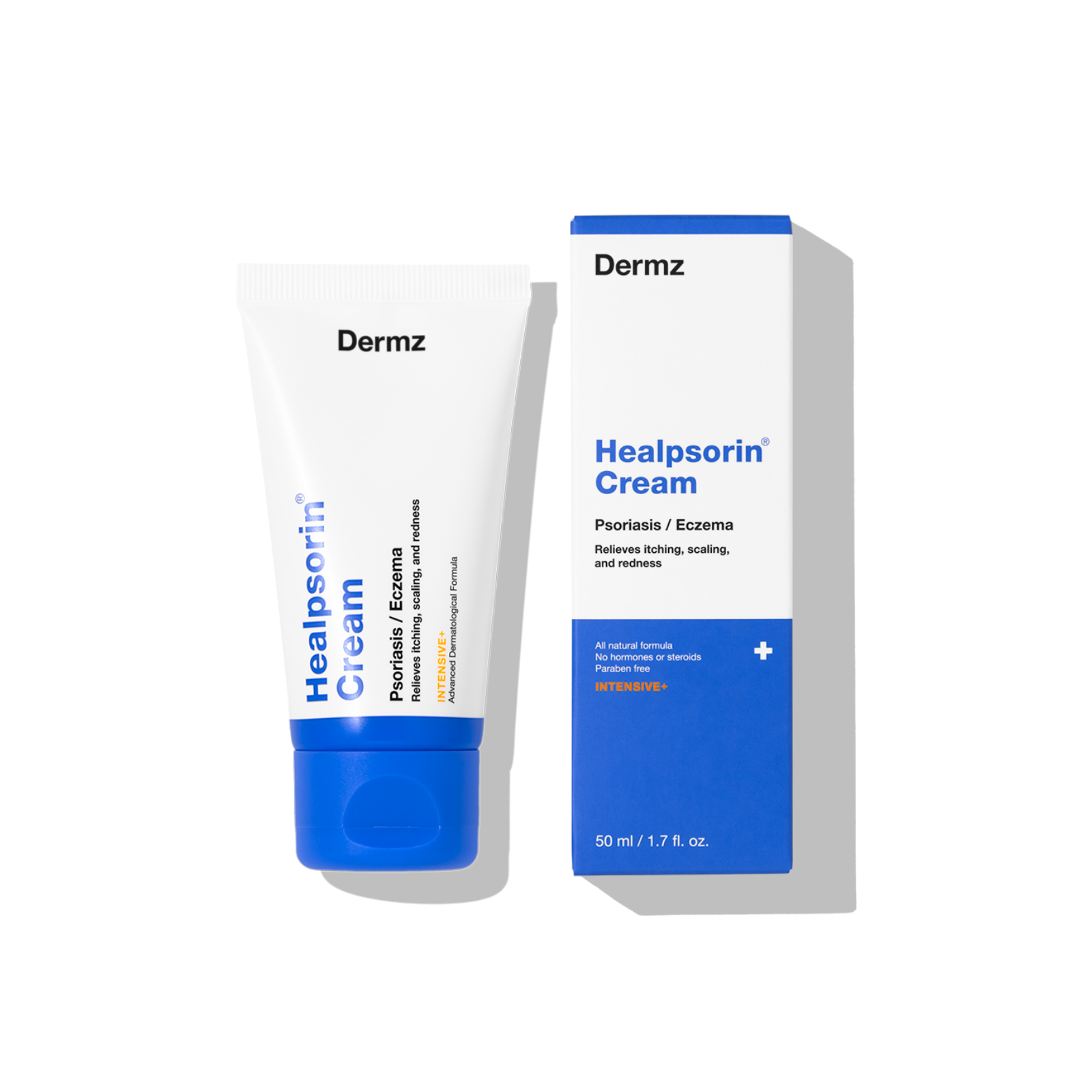
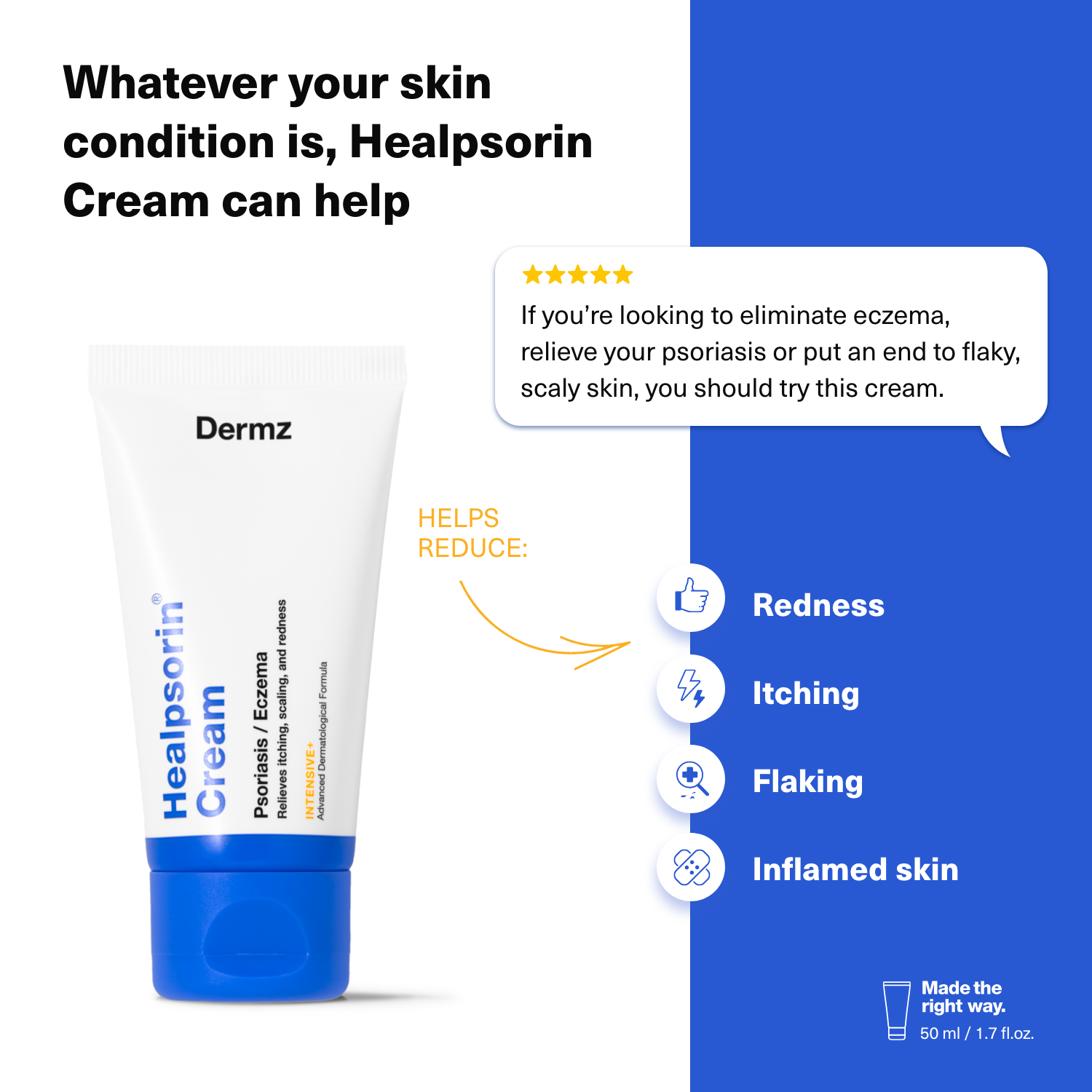
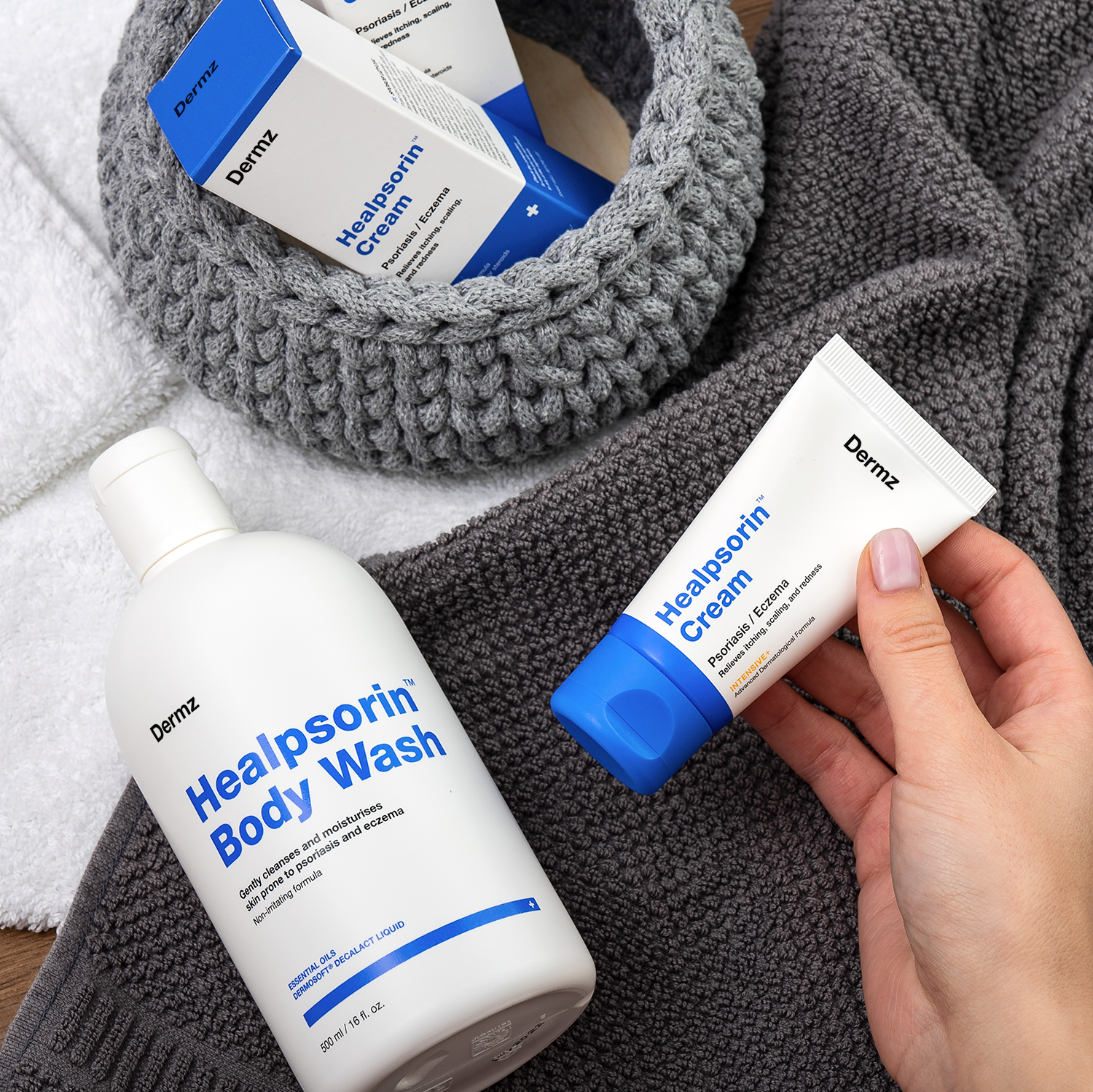
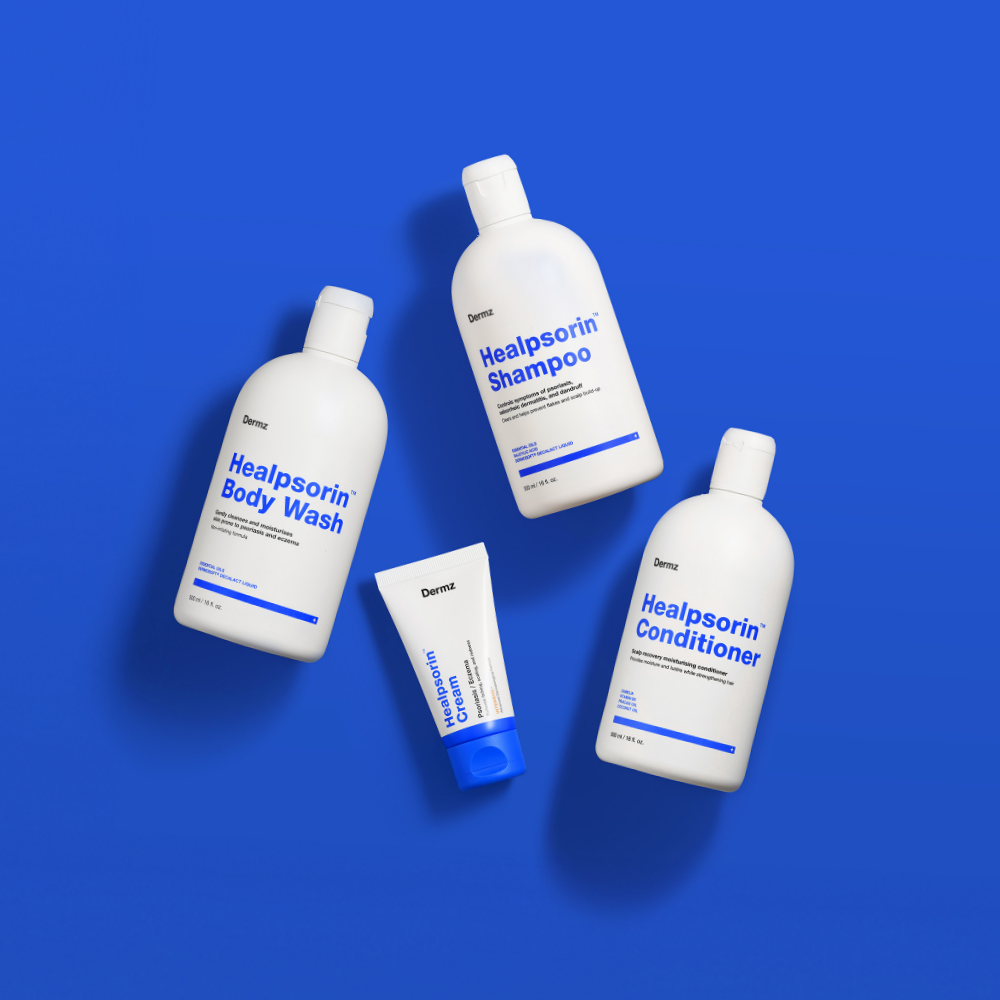
Healpsorin: for skin with psoriasis, atopic dermatitis (AD), and eczema. Instead of paraffin, it uses natural emollients and anti-inflammatory ingredients.
-
Vitumisil: for acne-prone skin. Instead of alcohol or strong detergents, it contains substances that normalize sebum and regenerate the skin.
- HairLXR: strengthens hair from the ground up by working at the scalp level. It uses peptides and stem cells, without silicones or artificial gloss enhancers.
This is an example of care that truly supports the regeneration process, and does not just pretend to.
Why does conscious cosmetic choice matter?
The skin has enormous self-regeneration potential if we only stop weighing it down. By choosing products without unnecessary additives, you allow it to breathe and rebuild its natural barrier. Dermz Labs focuses on short, specific compositions - less marketing, more action.
FAQ - frequently asked questions
1. What is the main problem with paraffins and mineral oils in cosmetics?
The main problem is impermeable occlusion, i.e., creating a layer on the skin's surface that is too dense and compact (e.g., Paraffinum Liquidum). Although it protects against water loss, it can also hinder the skin's natural processes, such as the exfoliation of dead epidermis and gas exchange. For oily and acne-prone skin, this can promote pore clogging and the formation of blackheads. Conscious care relies on emollients that do not block so intensely, allowing the skin to work freely.
2. Are all silicones bad?
Not all, but in most drugstore products, they are used in excess, which leads to pore clogging. Silicones (Dimethicone, Cyclomethicone, etc.) are not toxic, but they are classic artificial fillers that give an immediate, cosmetic effect of smoothness and shine. On hair, they can build up, weighing it down and preventing the absorption of nutrients. On the skin, they can give the illusion of smoothing, but in higher concentrations, they can be comedogenic (pore-clogging). In regenerative care, such as Dermz Labs, their use is limited in favor of active ingredients that genuinely strengthen the structure of the hair and skin from within.
3. How do artificial fragrances and dyes affect the delicate skin barrier?
Artificial fragrances (Parfum) and dyes are among the most common allergens in cosmetics. They can lead to chronic, subclinical inflammation (not visible at first glance) or acute irritation, especially in people with sensitive, atopic, or psoriasis-prone skin. Any irritation weakens the protective barrier, forcing the skin to fight the allergen instead of proper regeneration. Therefore, in specialized formulas, such as Dermz Labs, irritating fillers of this type are minimized or completely eliminated.
4. Are preservatives also considered artificial fillers to avoid?
Preservatives are necessary for a cosmetic to be microbiologically safe. However, their aggressive versions, used in excess, can disrupt the skin's natural microbiome and act as irritants (e.g., certain parabens or formaldehyde). Conscious regenerative care chooses milder preservatives in minimal, safe concentrations to protect the product without harming the delicate bacterial flora of the skin. Aggressive preservatives can be treated as unwanted "ballast" in a regenerative formula.
5. How long does it take for the skin to clear itself of burdensome fillers?
This time is very individual, but after discontinuing products containing heavy fillers (e.g., thick paraffins), the skin often goes through a transitional phase, during which temporary breakouts or worsening may occur. A full cycle of epidermal renewal takes about 28 days. After this time, with regular use of clean, regenerative formulas, the skin begins to function better, which is manifested by improved hydration, fewer irritations, and a lasting improvement in condition.
6. What is the "rebound effect" and how is it related to irritating fillers?
The "rebound effect" is a situation where overly aggressive care (e.g., strong detergents, alcohol) causes the skin to defend itself by reacting contrary to intentions. An example is the aggressive degreasing of acne-prone skin, which compromises its barrier and, as a result, leads to increased sebum production, i.e., even stronger oiliness. Aggressive fillers are often the cause of this vicious circle because they destroy the skin's balance, forcing it into over-reactivity.
7. How does Dermz Labs avoid artificial fillers in its lines?
Dermz Labs focuses on the maximum concentration of active ingredients with proven effects, rather than on mass and a nice consistency achieved with cheap fillers. The formulas are designed to minimize the risk of irritation - for example, products for sensitive skin (like Healpsorin) are free of artificial dyes and fragrances, and cleansing formulas do not contain irritating SLS/SLES, instead relying on milder but equally effective cleansing agents. This is a choice of quality and action over visual effect.
8. Why does conscious care require the cosmetic to work slower but lastingly?
The action is slower because regeneration is a biological process that requires time for cell renewal (the aforementioned 28-day cycle) and the rebuilding of the skin's natural structures. Cosmetics that give an "instant effect" are often based on artificial fillers (e.g., silicones) that create only a superficial, masking layer. Dermz Labs care focuses on delivering ingredients that work at the root of the problem (e.g., rebuild the barrier, regulate inflammation), and this yields lasting results and healthy, not just good-looking, skin.