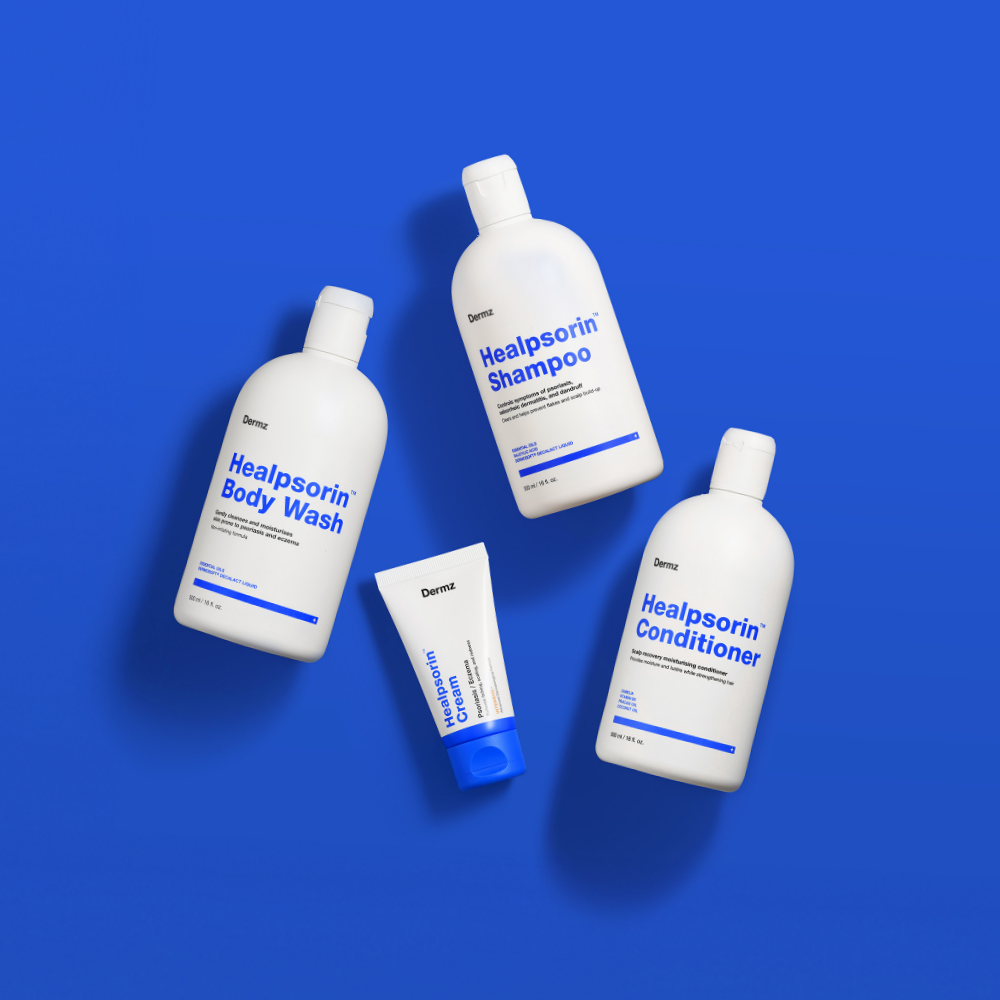
Have you ever wondered why some creams seem to work only for a short time, while others actually improve the condition of your skin permanently? The difference most often lies in the name: cosmetic vs. cosmeceutical (or dermocosmetic). This is not a marketing trick, but a difference in the philosophy of action and, most importantly, in the concentration of active ingredients.
A cosmetic, which you can find in every drugstore, is primarily designed to beautify or mask imperfections. It's like makeup for the skin - it looks good, but doesn't necessarily treat the problem at its source. A cosmeceutical, on the other hand, aims deeper—its purpose is to treat, regenerate, and above all, support the skin's natural functions. It is a support for dermatology, not just an addition to the bathroom shelf.
Why is the concentration of active ingredients in cosmeceuticals key to lasting skin improvement?
High concentrations of active ingredients in cosmeceuticals are essential because they guarantee that the skin actually receives the dose needed to trigger a biological change - regeneration, repair of the protective barrier, or combating inflammation. Ordinary cosmetics often contain the same ingredients, but in quantities too small (trace amounts) to be effective and long-lasting.
What differentiates a "Drugstore" cosmetic from a cosmeceutical?
Cosmeceuticals are products that stand on the border between cosmetics and pharmaceuticals. Their formulas are developed in cooperation with dermatologists, and their effectiveness is often confirmed by clinical trials. An ordinary cosmetic aims to improve appearance, providing a quick but superficial effect.
- Cosmetic: focuses on beautification, superficial hydration, pleasant texture, and scent.
- Cosmeceutical: focuses on treatment, regeneration, rebuilding skin function, and long-term improvement of its health.
Why do cheap cosmetics often have trace amounts of active ingredients?
The answer is simple - production economics. Cheap cosmetics must be profitable, and substances that are actually effective (like highly concentrated vitamins, specialized acids, or botanical extracts) are expensive.
Instead, the formula is often dominated by:
- Fillers, such as large amounts of water.
- Cheap, neutral, or potentially irritating emollients.
- Preservatives and fragrances that can cause allergies.
Manufacturers can put "contains Vitamin C" on the label, but if the concentration is 0.01%, it's just an illusion of effectiveness. An active ingredient in such a small amount acts on the basis of a placebo effect or doesn't work at all, and you are paying for pretty packaging and marketing.
Cosmeceuticals: effective therapy for chronic skin problems
Cosmeceuticals with high concentrations of active ingredients play a crucial role not only in daily care but, above all, in alleviating and combating more serious, chronic dermatological conditions. Their formulas are designed to actively target the source of the problem, not just its external symptoms.
These products provide key support for therapies conducted under the supervision of a dermatologist, bringing real relief in inflammatory conditions and minimizing the risk of disease recurrence.
| Dermatological problem | Cosmeceutical action |
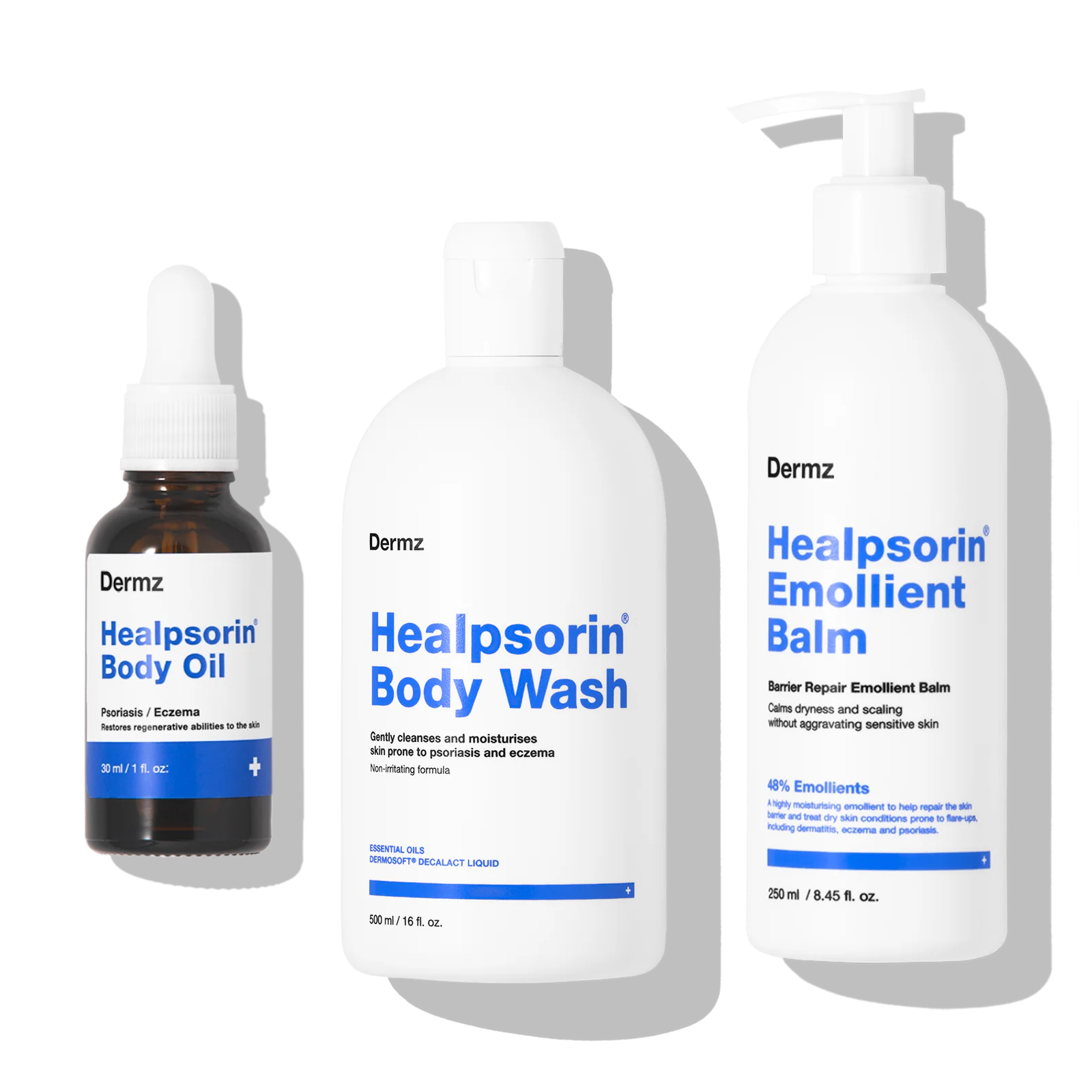
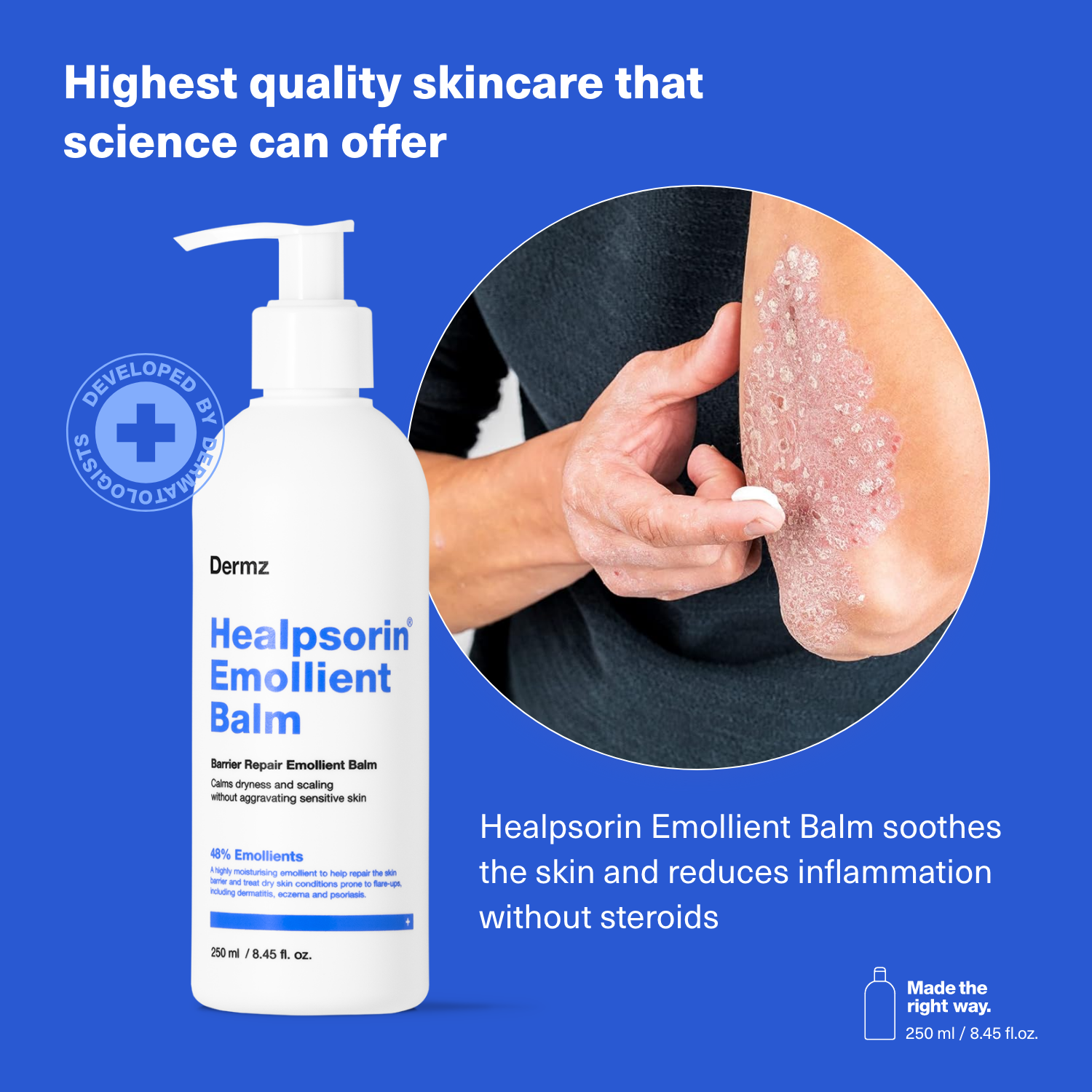
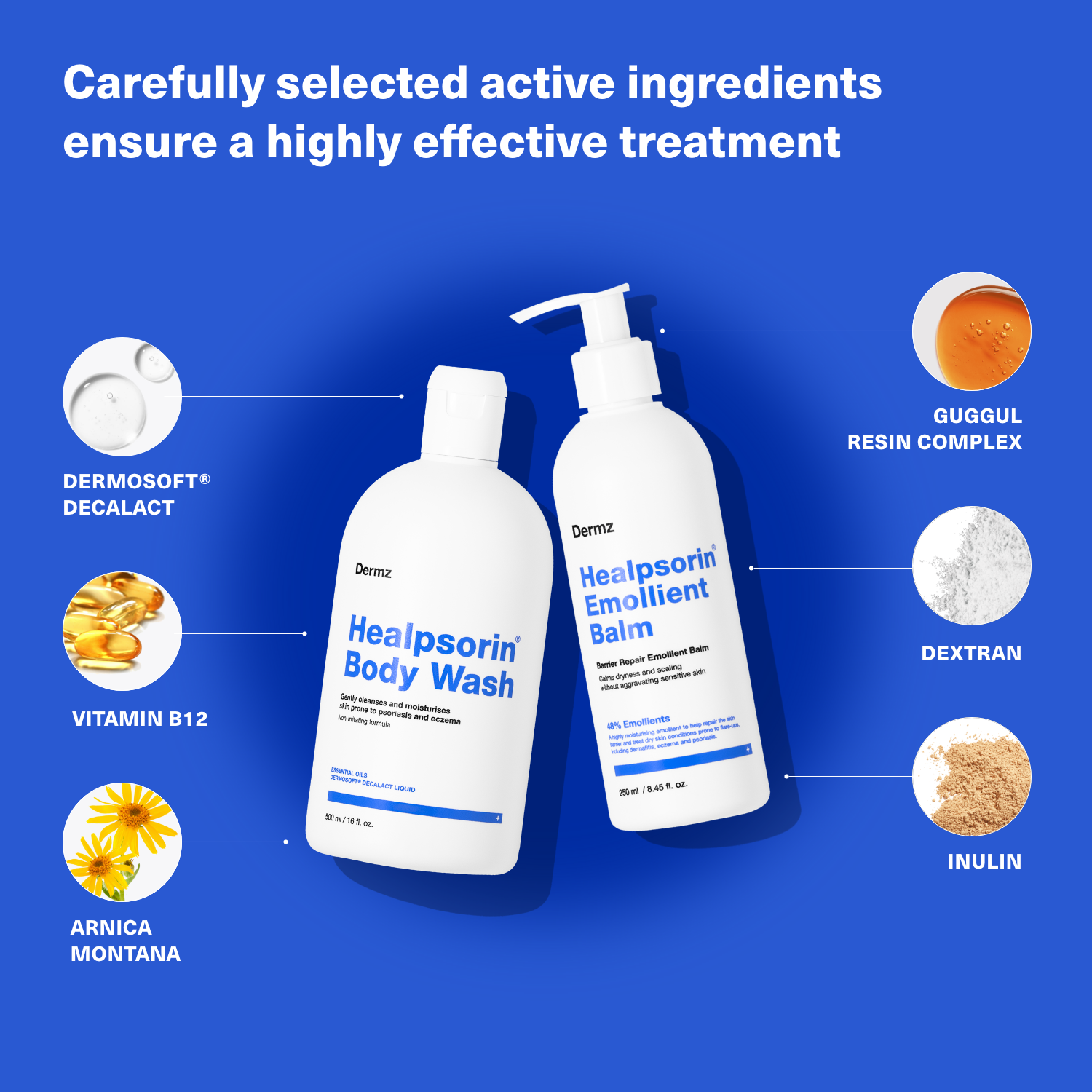
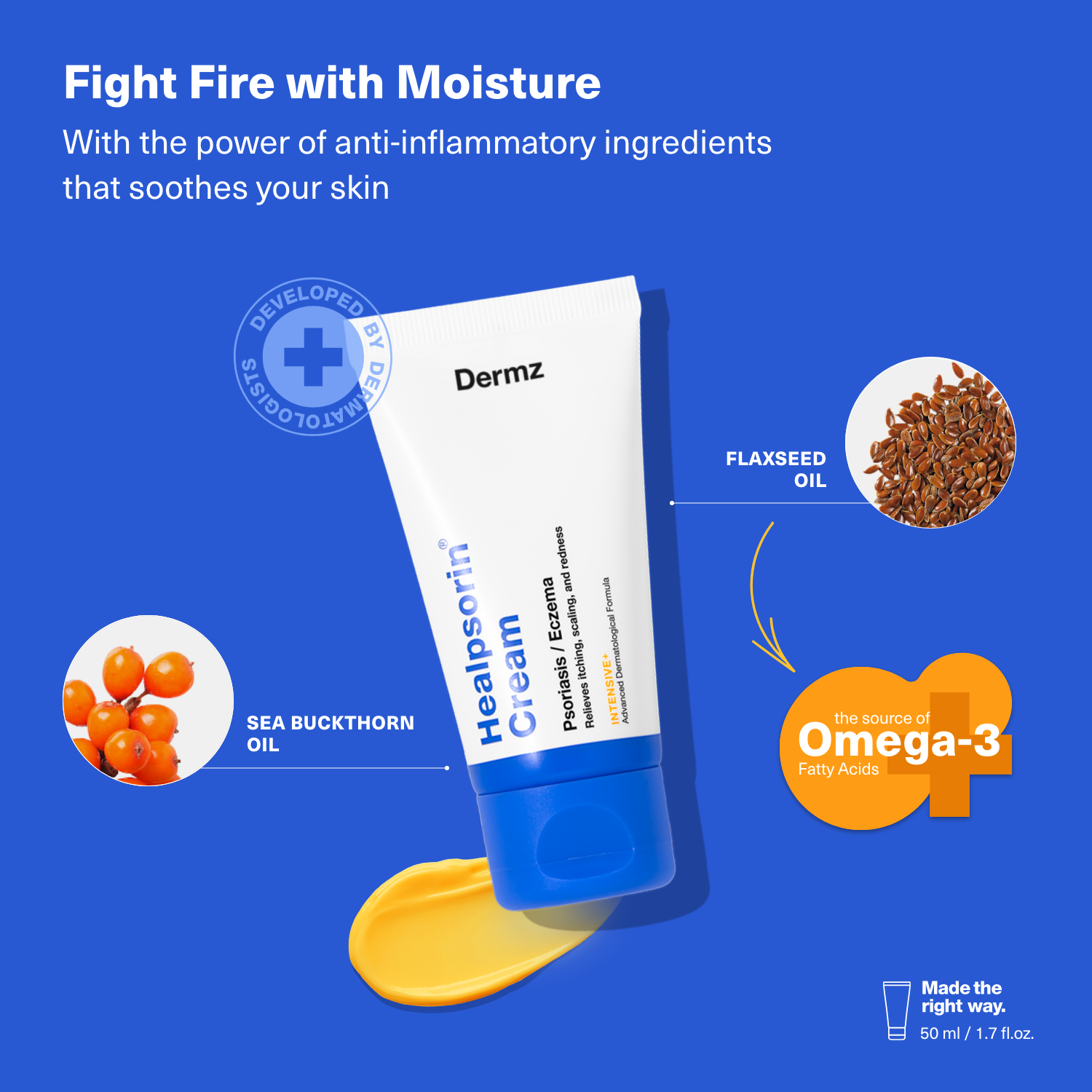
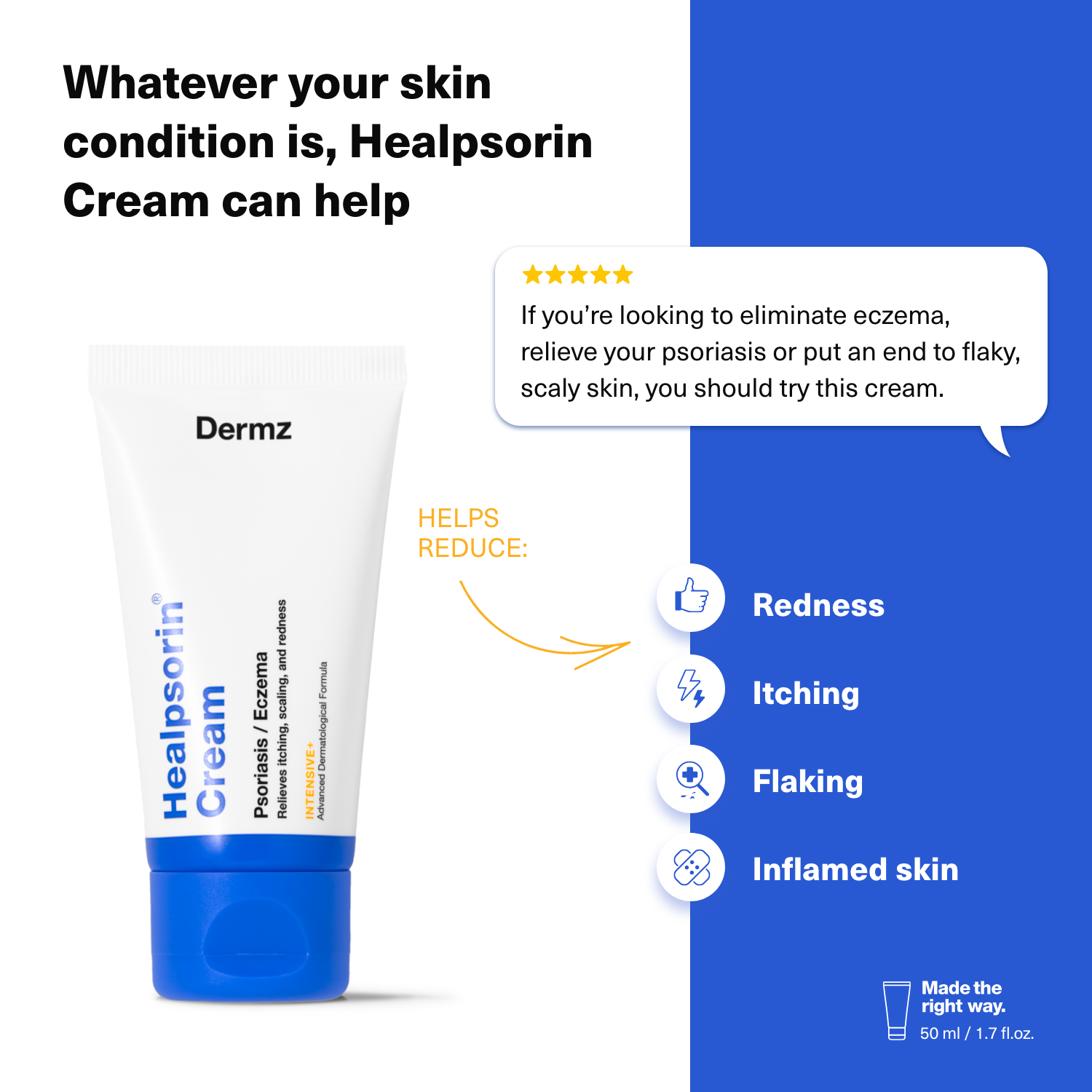
| Psoriasis, Eczema, Atopic Dermatitis (AD) | Intense moisturizing, repair of the damaged hydrolipidic barrier, reduction of scaling, redness, and persistent itching. Often contain anti-inflammatory and regenerative ingredients (e.g., sea buckthorn oil, comfrey, vitamin B12). You can check specialized treatments for Psoriasis and Eczema. |
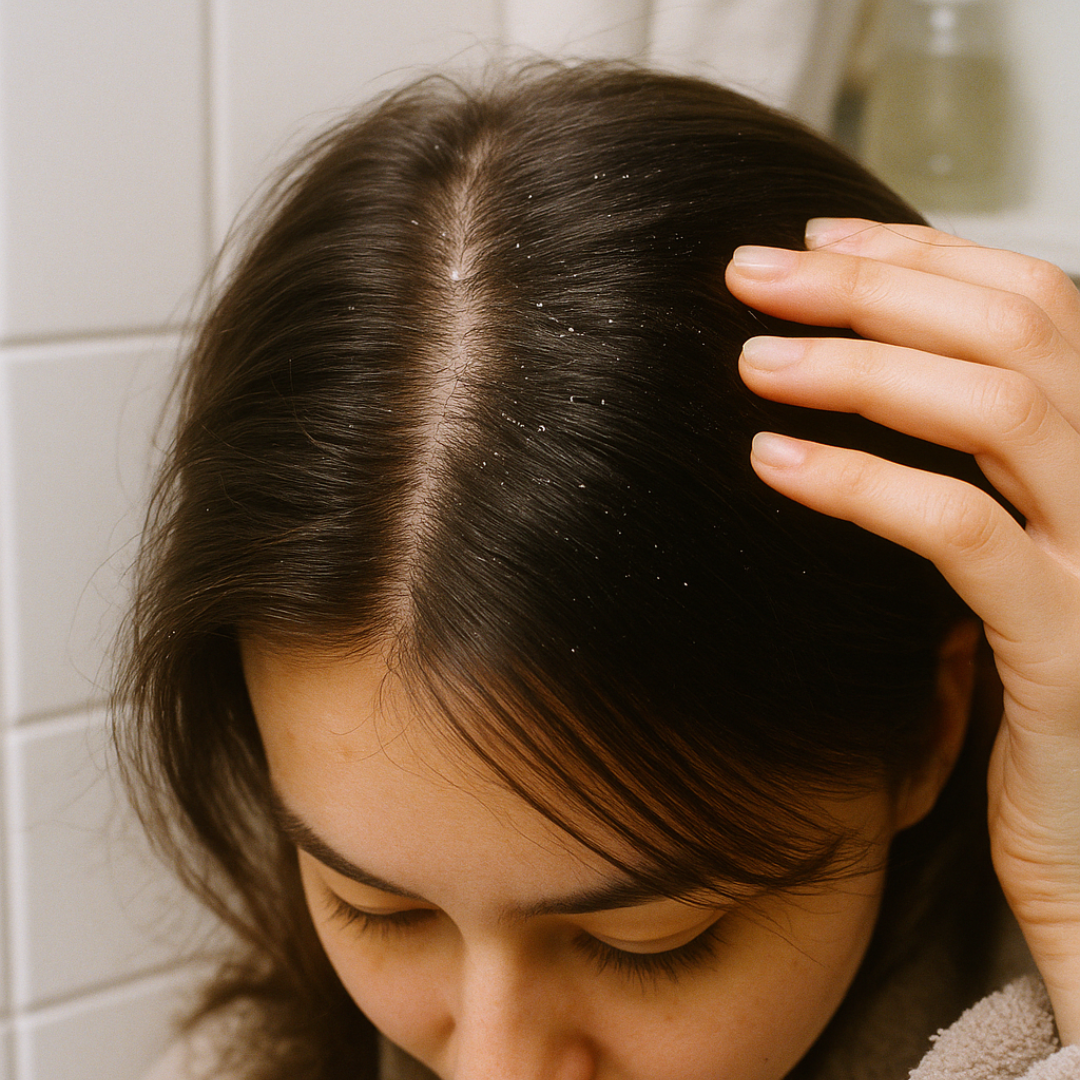
| Seborrheic Dermatitis (SD), Dandruff | Reduction of scaling, antifungal action (e.g., thanks to ingredients like Dermosoft® Decalact), regulation of sebum secretion, and soothing of scalp inflammation. |
| Acne | Regulation of sebum secretion, antibacterial and anti-inflammatory action, acceleration of acne lesion healing. Dedicated lines often offer steroid-free, non-prescription therapy (e.g., the Vitumisil Anti Acne Set from Dermz Labs). |
Key mechanisms of action in therapies:
- Soothing inflammation: concentrated plant extracts and vitamins (e.g., Vitamin B12) actively calm irritated skin, bringing relief from burning and itching.
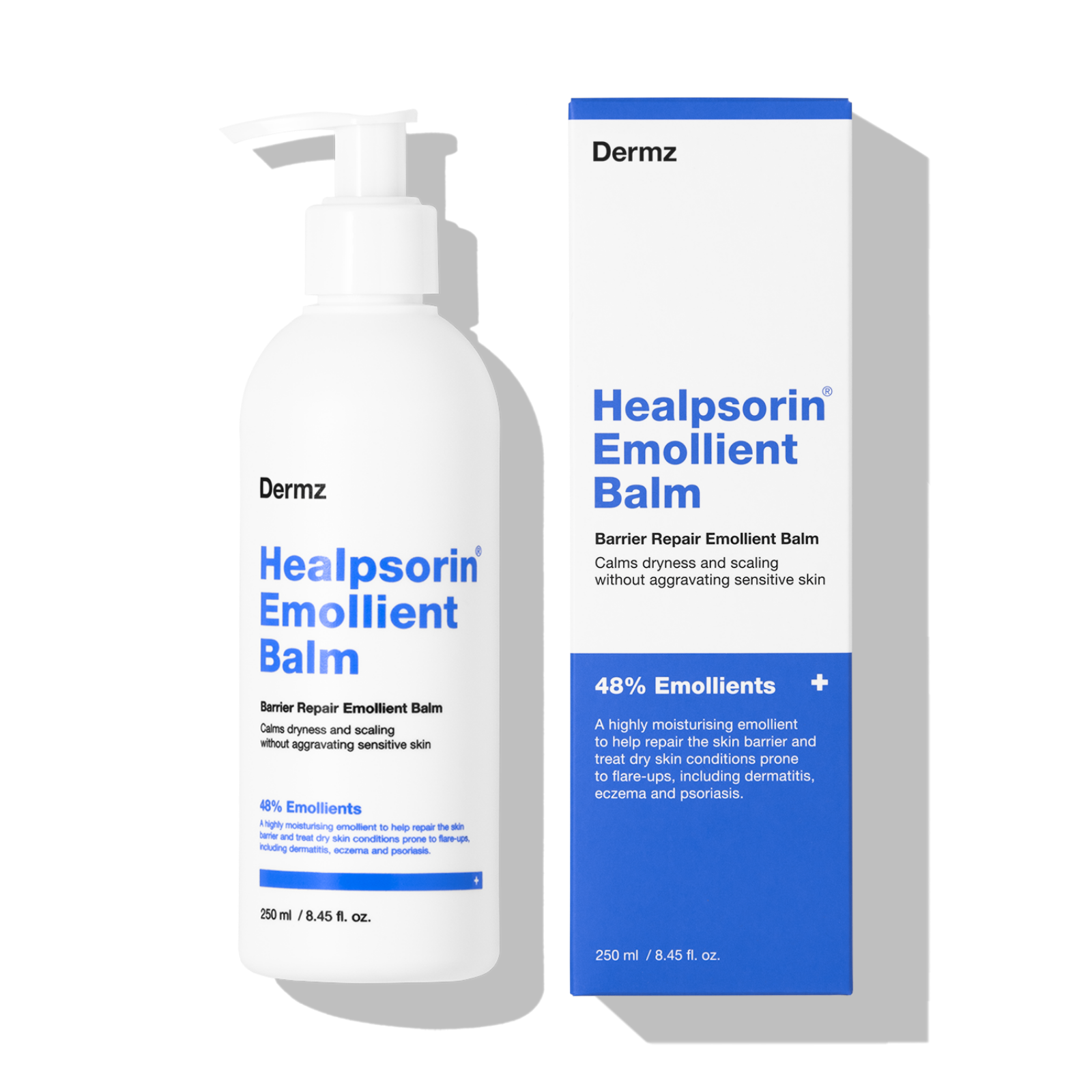
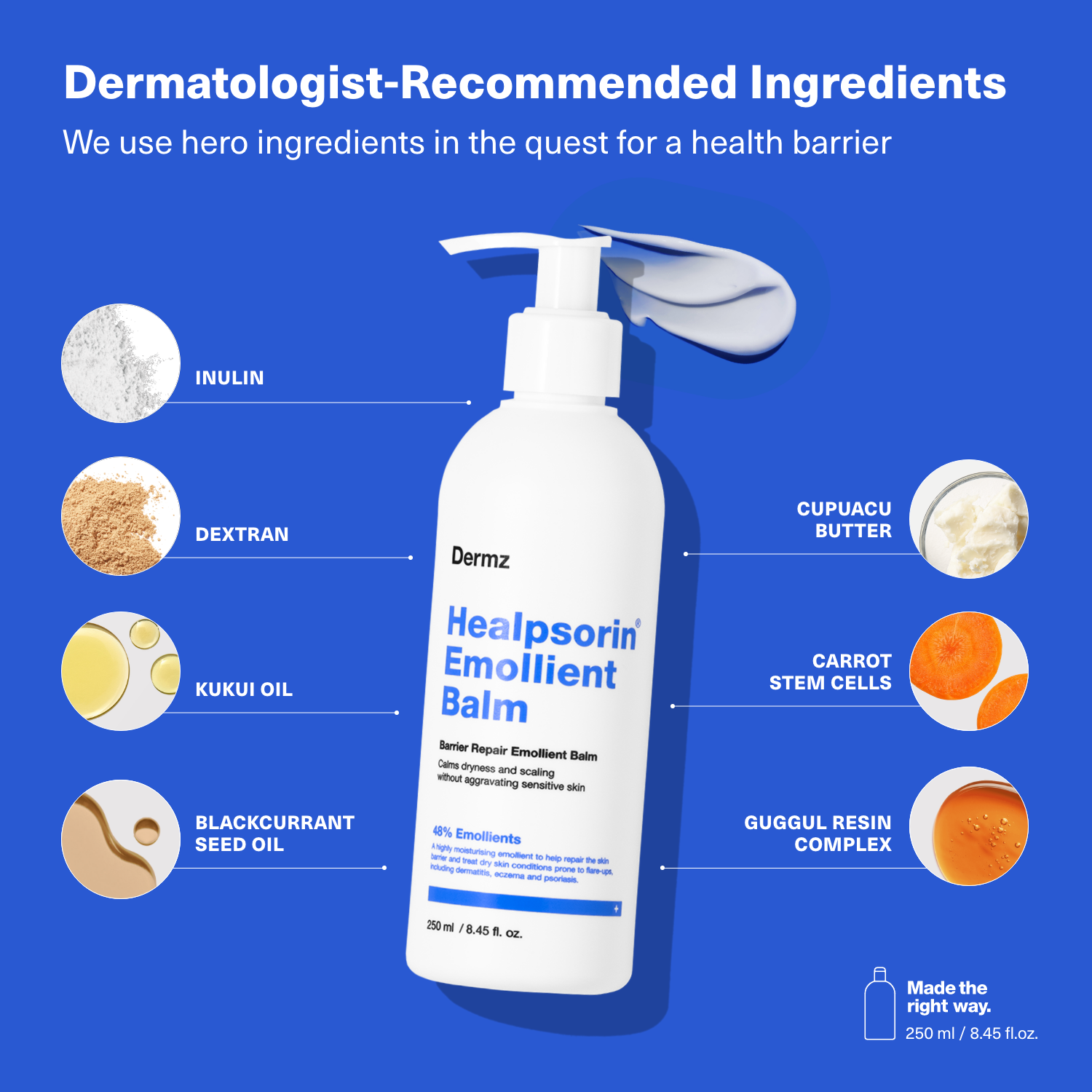
- Restoring the protective barrier: emollient ingredients (like Shea butter, blackcurrant seed oil) create a durable protective layer, preventing water loss and shielding against external factors.
- Minimizing recurrence: regular use of cosmeceuticals supports the skin's natural regenerative processes, making it more resilient and reducing the frequency and severity of disease recurrences.
What standards define cosmeceutical products?
A cosmeceutical is a commitment to formulating problem-focused products. A cosmeceutical is a care product whose formula is based on active substances in high, therapeutic concentrations, and whose action is intended to support treatment and long-term improvement of skin health.
True cosmeceuticals prioritize transparency and high concentrations of active ingredients that truly have the power to transform the skin:
- High concentrations of ingredients that target a specific problem (e.g., a high dose of vitamin C for discoloration, retinol for wrinkles).
- Formulas developed to minimize the presence of unnecessary and irritating substances.
- Ingredients with proven efficacy that work synergistically, mutually enhancing their effectiveness.
Does high concentration ensure faster and more lasting regeneration?
Absolutely. If a product contains, for example, 20% of a stable form of vitamin C, it has a real chance to penetrate into the deeper layers of the skin and act there. We are talking about better penetration and stronger action than in the case of a 1% concentration. This is the key to long-term improvement, not just a momentary smoothing effect.
Such concentrated formulas more quickly:
- Reduce inflammation.
- Stimulate collagen production.
- Restore the damaged hydrolipidic barrier.
As a result, the skin becomes more resilient, better hydrated from within, and problems such as acne or redness subside for longer.
Why is choosing a cosmeceutical a long-term saving?
Initially, cosmeceuticals may seem more expensive than typical creams from the market. However, this is only a perceived difference.
Think of it this way: if you buy a cheaper cosmetic that only masks the problem, you constantly have to buy more products to maintain the effect, or worse—you have to repair the damage caused by cheap fillers and irritating ingredients.
By choosing a cosmeceutical with a high concentration of active ingredients, you are investing in solving the problem. You improve the health of your skin, which means that in the future:
- You will need fewer corrective products (e.g., heavy foundations).
- You will less often seek help from a dermatologist due to problem aggravation.
- You use less product at a time because its potency is greater.
A conscious choice means looking for evidence of effectiveness and checking the ingredient list, rather than following trends or flashy advertising. It is worth looking at the label, searching for high positions for key active ingredients, and not for water or mineral oils.
FAQ - frequently asked questions
1. How can I check if a cosmetic actually has a high concentration of active ingredients?
First, check the ingredient list (INCI). Active ingredients in high concentration should be near the beginning of the list, right after water. If the ingredient the manufacturer advertises is at the very end, just before fragrances, its concentration is most likely trace and will not provide the promised improvement. Remember that cosmeceutical manufacturers often state the percentage concentrations on the packaging.
2. Are cosmeceuticals always safer for sensitive skin?
Generally, yes, because cosmeceuticals are developed with the goal of minimizing the risk of irritation and allergies. They often do not contain unnecessary dyes, parabens, or strong fragrances. However, their high concentrations of active ingredients, such as retinol or acids, require gradual introduction into your skincare routine, even for sensitive skin.
3. What is the difference between a cosmetic and a natural cosmetic?
A natural cosmetic differs from a traditional one mainly in the origin of its raw materials (using natural instead of synthetic). However, whether it is a cosmeceutical depends on the concentration of those natural active ingredients. The mere fact that something is natural does not automatically mean it is effective in a high concentration. The purity and potency of the formula matter.
4. What does the term "ingredient synergy" mean in the context of cosmeceuticals?
Ingredient synergy means that the active substances combined in the formula mutually enhance their effects, yielding a better result than the sum of their individual actions. For example, combining vitamin C with vitamin E stabilizes it and increases its antioxidant effect, which is key to lasting improvement.
5. Which active ingredients should have a high concentration to be effective?
Key active ingredients where high concentration matters most include: Vitamin C (above 8-10%), Niacinamide (above 5%), AHA/BHA/PHA acids (depending on the problem, e.g., 5-10% Mandelic Acid), and Retinol and its derivatives. In cosmeceuticals, these concentrations are precisely selected to elicit a specific skin reaction.
6. Can I mix cosmeceuticals from different brands?
Yes, you can, but you should exercise caution, especially when using products with potent active ingredients (e.g., retinol and strong acids). High concentrations in different products can accumulate and lead to irritation. It is best to introduce new products one at a time and observe your skin's reaction.
7. Does a high concentration always mean the product is better?
Not always. High concentration must go hand-in-hand with formula stability and safety. For example, an excessively high concentration of vitamin C may be unstable and quickly oxidize or lead to severe irritation. The best cosmeceuticals provide the optimal, not maximum, concentration that is both effective and well-tolerated.
8. Where is the best place to buy cosmeceuticals?
Cosmeceuticals are best purchased in places that guarantee quality and appropriate storage conditions, such as pharmacies, good specialized drugstores, and directly from manufacturers (e.g., Dermz Labs) or authorized online stores. This ensures certainty regarding the product's originality and full effectiveness.