Welcome to the world of conscious regenerative skincare. You know how it is - advertisements scream about the "instant effect." You buy a shampoo that promises to make your hair silky smooth in a minute, or a cream that magically erases wrinkles right away. And indeed, for a moment, things look better. Only, after a few hours or days, the problem returns. If you have problematic skin (acne, psoriasis, AD/eczema), you know that this short-lived cosmetic effect is like a sweet promise that never truly delivers.
At Dermz Labs, we have focused on conscious regenerative care. Instead of chasing an immediate but empty effect, we focus on actual healing and the rebuilding of the skin’s natural functions. The goal is for your skin to be permanently healthy, not just appear healthy for fifteen minutes.
Why do cheap cosmetics only mask symptoms instead of treating the problem, and how can you distinguish them from regeneration-focused dermocosmetics?
Cheap and aggressively advertised cosmetics often provide a short-term cosmetic effect because they contain high concentrations of fillers and masking agents such as silicones, heavy paraffins, or strong detergents (e.g., SLS/SLES). Silicones offer an immediate sensation of smoothness and shine, but they create an occlusive film on the skin that does not treat the problem at the source, and sometimes even hinders the skin's natural functions. Aggressive detergents, on the other hand, remove dirt at the cost of the hydrolipid barrier, leading to dehydration and exacerbation of skin problems (e.g., acne, dandruff).
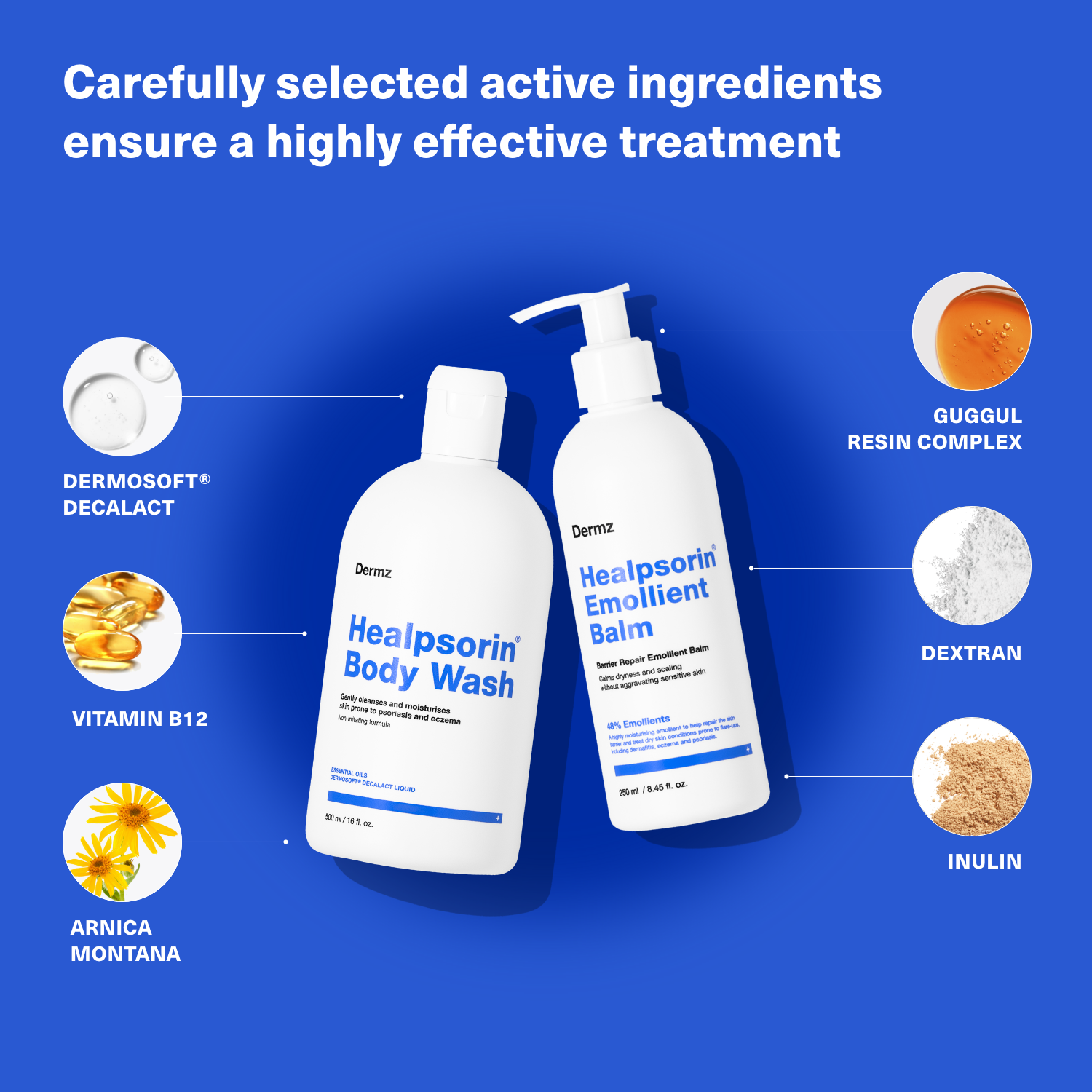
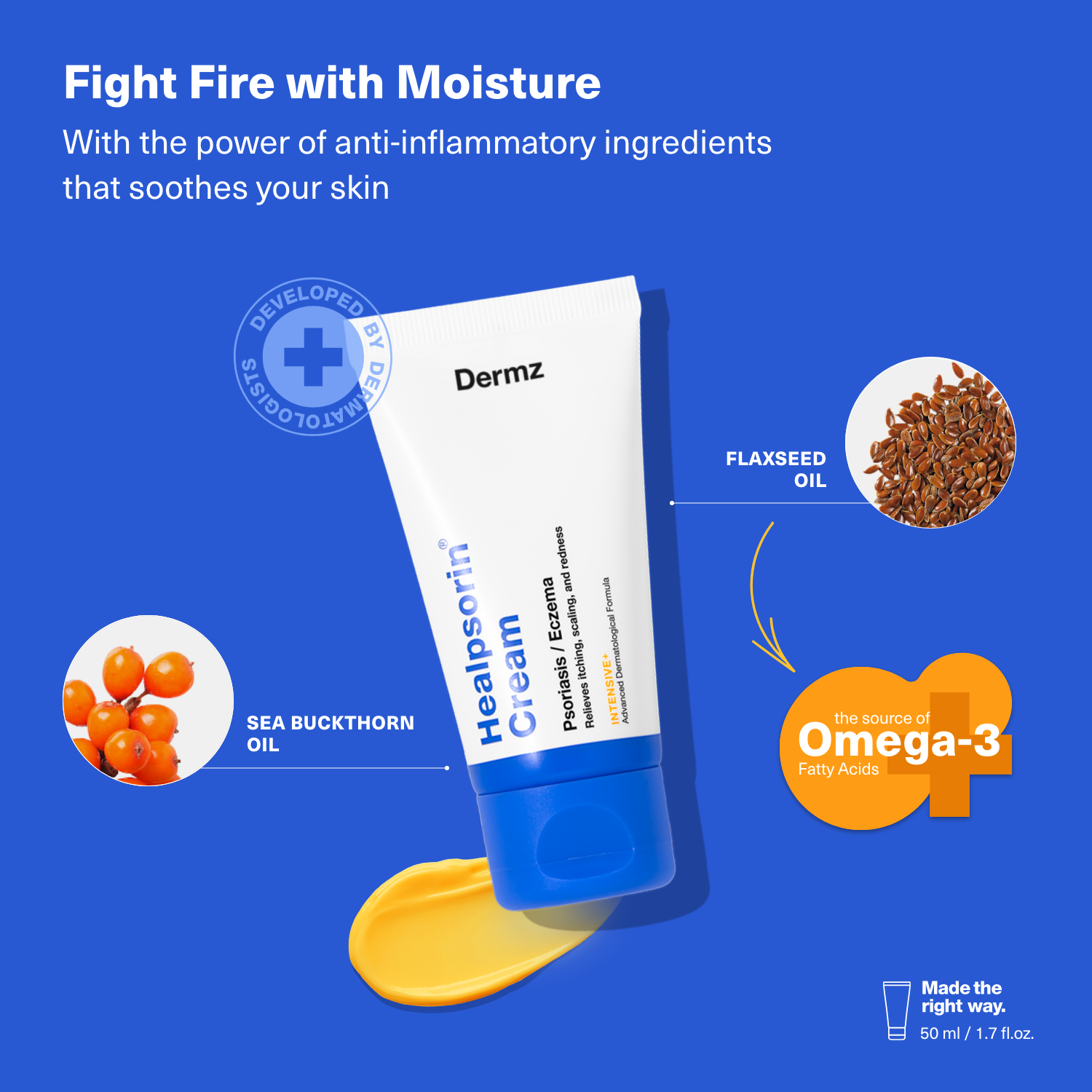
The regenerative skincare offered by Dermz Labs focuses on the Fact of Regeneration – the rebuilding and strengthening of the skin's natural protective shield. Key features of our dermocosmetics are a high concentration of active ingredients with proven regenerative effects (e.g., Vitamin B3 - Niacinamide, Salicylic Acid, Dermosoft Decalact, as well as natural oils and plant extracts like Sea Buckthorn, Comfrey, or Calendula), and a minimal amount of irritating fillers. Unlike masking, regeneration requires time (the epidermal renewal cycle takes about 28 days) but offers lasting relief and healthy skin.
The art of masking: how to achieve the illusion of healthy skin
Do you know what gives creams and shampoos that instant, velvety finish? It's often silicones. When applied to the skin or hair, they create a smooth coating that visually camouflages imperfections and damage. The effect is immediate - skin appears perfectly smooth, hair shines. But this is an illusion.
Underneath this coating, the skin may still be struggling with dehydration, and pores can be blocked. This is the Art of Masking. You are giving the skin something that looks nice but has no nutritional or curative value. There is no regeneration here. These ingredients do not penetrate deeply, they do not help rebuild the hydrolipid barrier - they simply cover the symptom. Once the product is washed off, the problem returns because nothing was truly healed.
What is the true dermatological difference, and why does time matter?
How do you distinguish a short-term cosmetic effect from deep regeneration?
True regeneration is not magic, but biology. It is a process where the skin actively repairs damage. We must help it by supplying the right "building blocks." The dermatological difference lies in:
- Rebuilding the hydrolipid barrier: this is the skin's natural shield. Regenerative care supports the production of lipids that seal this barrier.
- Soothing inflammation: instead of merely suppressing redness, active ingredients (e.g., CBD, peptides) work at a cellular level, extinguishing the source of inflammation.
- Working at the cellular level: this means ingredients must penetrate deeper to stimulate collagen and elastin production and accelerate cell turnover.
This is precisely why regeneration takes time. The life cycle of an epidermal cell is about 28 days. To see lasting improvement, you must wait for this process to complete. Cheap care avoids this wait because it targets your impatience.
Ingredients matter, not the price: the problem with fillers
In conscious regenerative skincare, the composition is key. The cost of production is often the difference between expensive but inert fillers and costly but active ingredients.
What ingredients sabotage the skin regeneration process?
In products that only offer a short cosmetic effect, you often find:
- Strong detergents (SLS/SLES): they lather aggressively and give a feeling of "squeaky" cleanliness, but they literally dissolve the skin's natural lipids, destroying the protective barrier. This leads to dehydration, irritation, and the exacerbation of conditions like psoriasis.
- Aggressive preservatives and fragrances: these are strong allergens that can trigger chronic inflammation.
- High concentration of denatured alcohol: dries out the skin, causing a rebound effect (paradoxically increased sebum production).
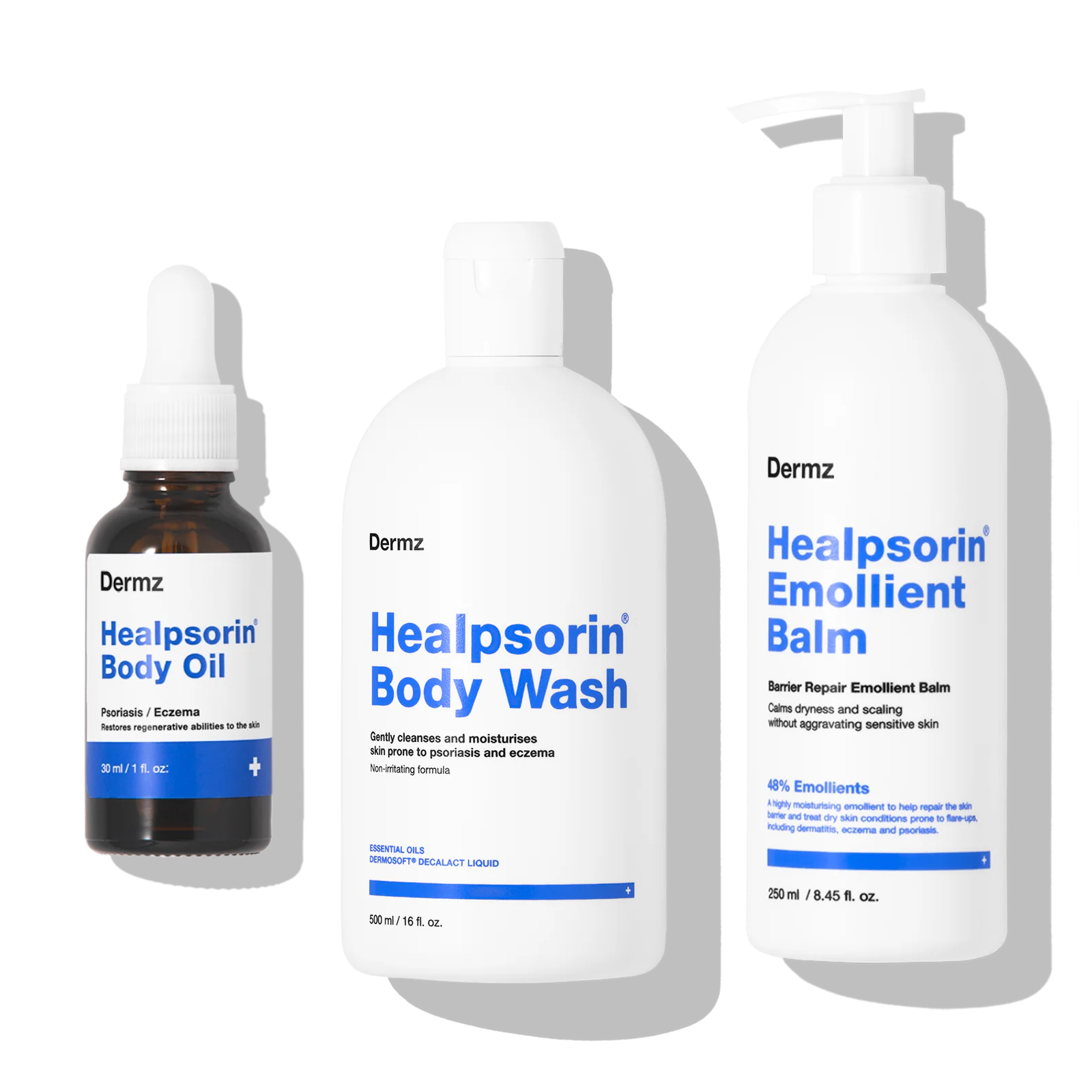
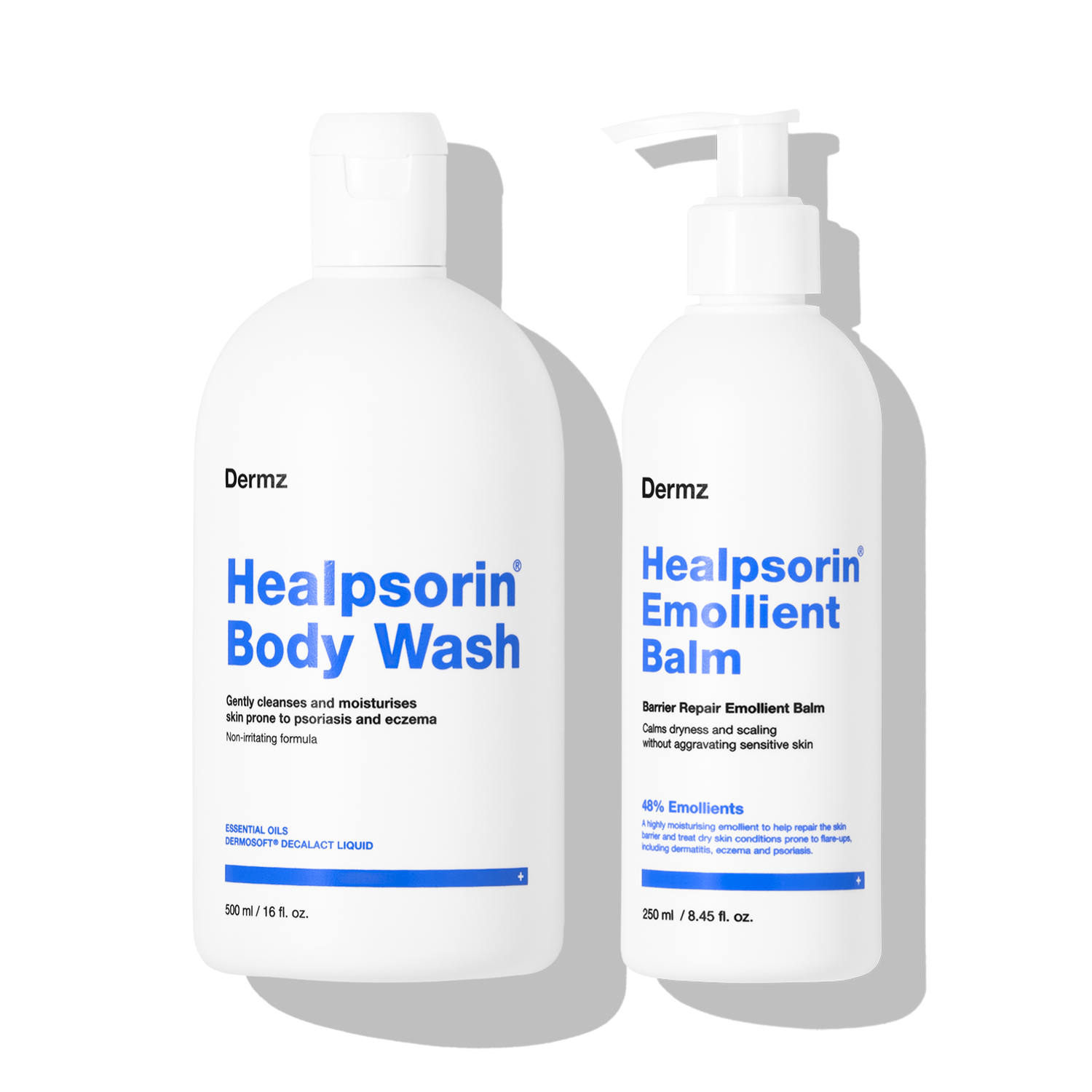
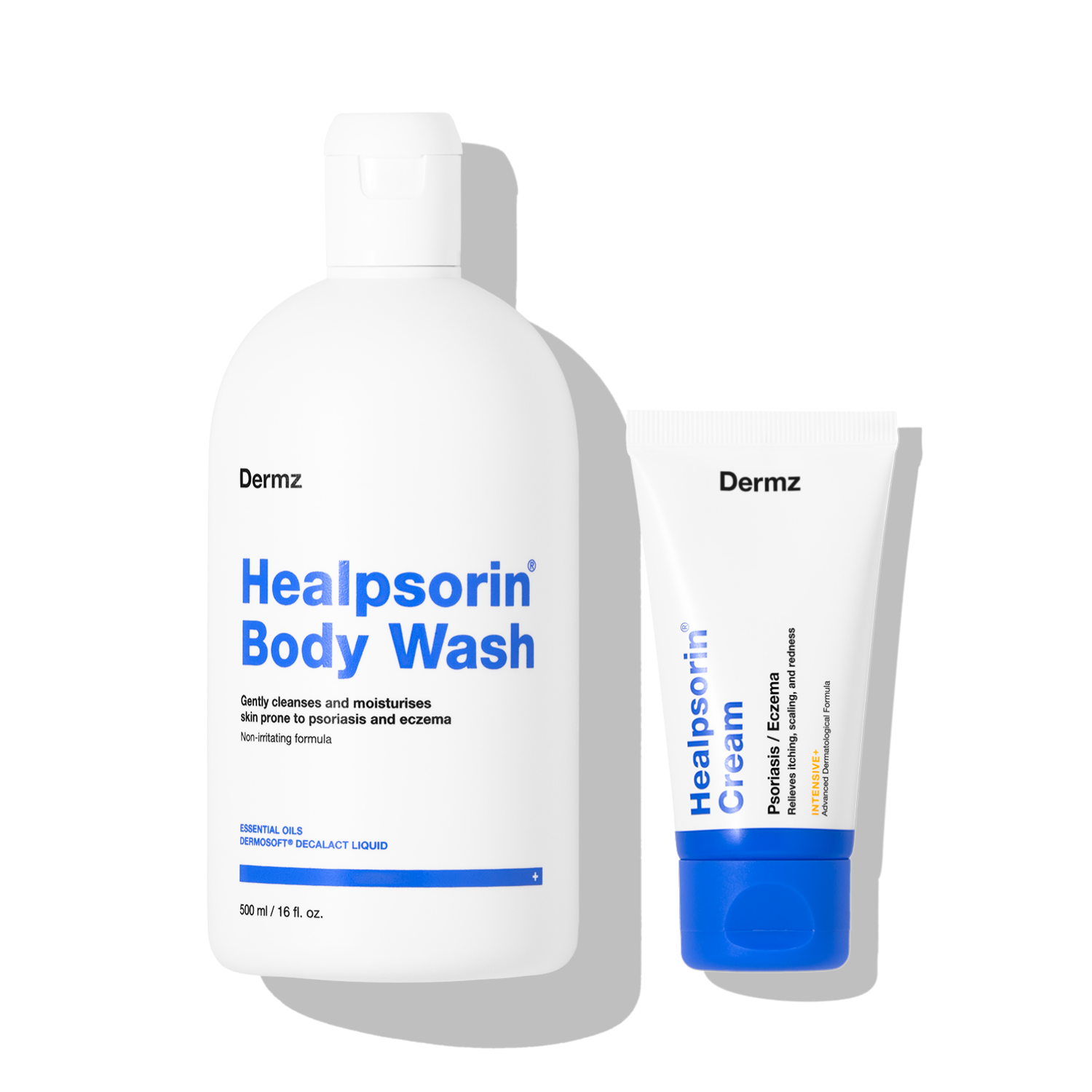
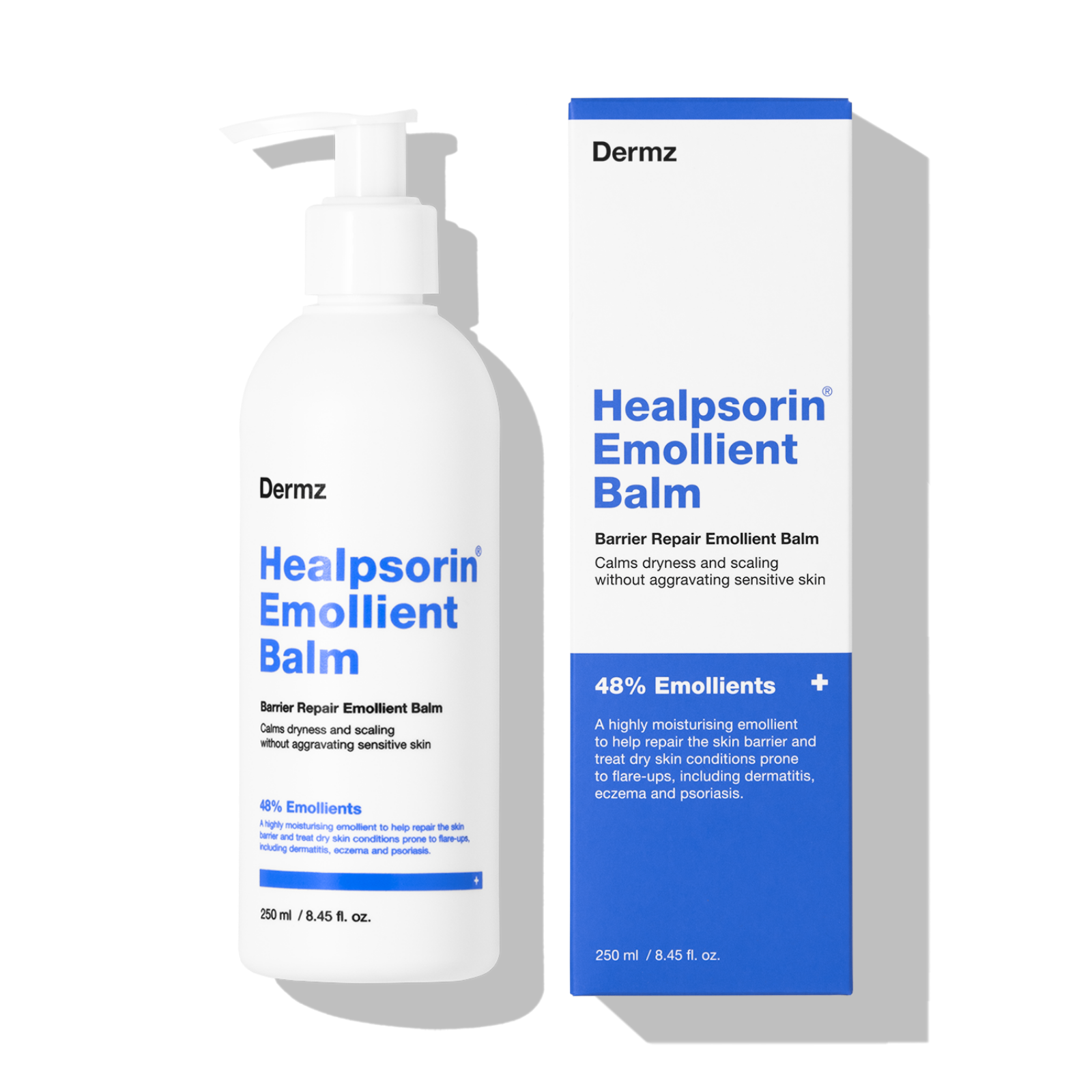
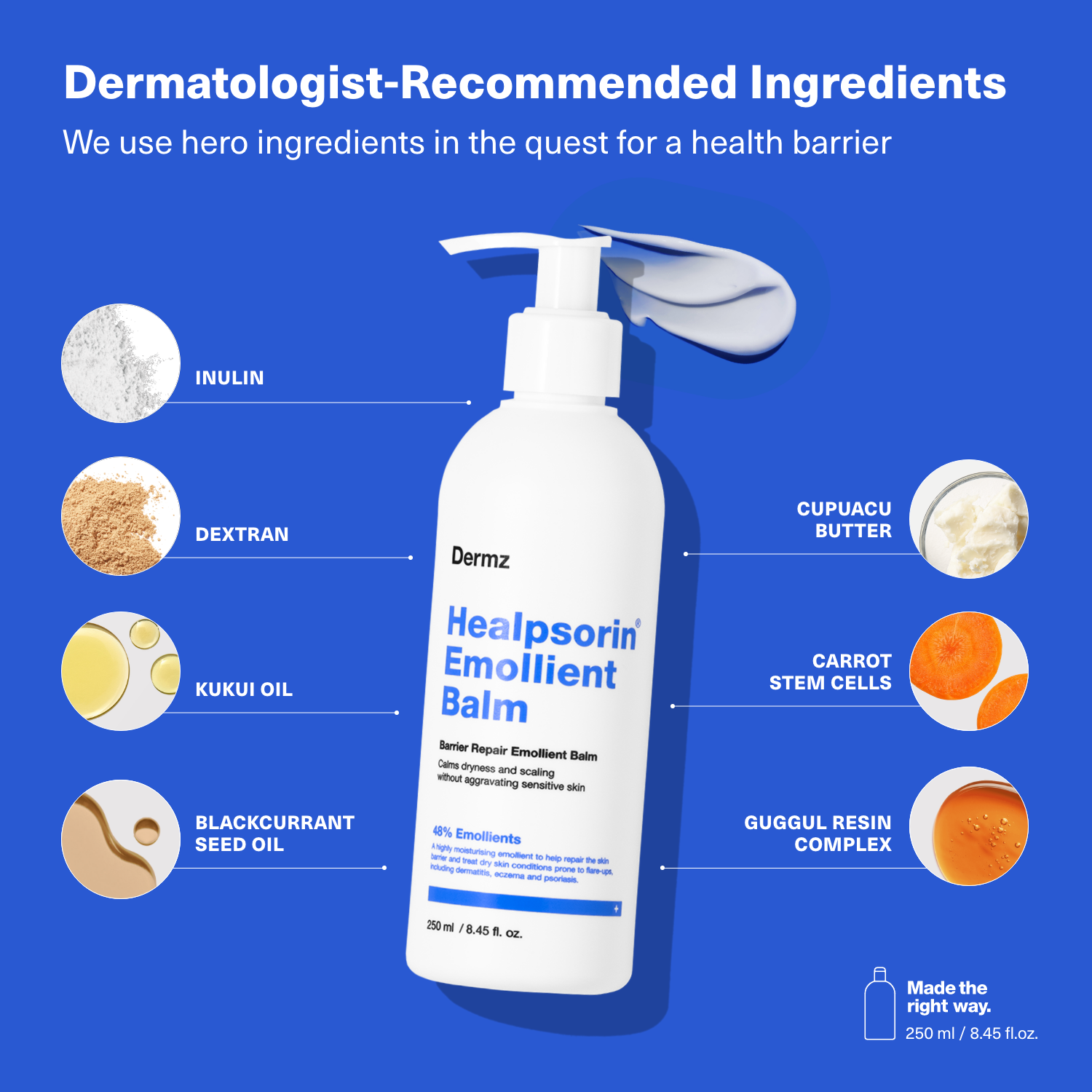
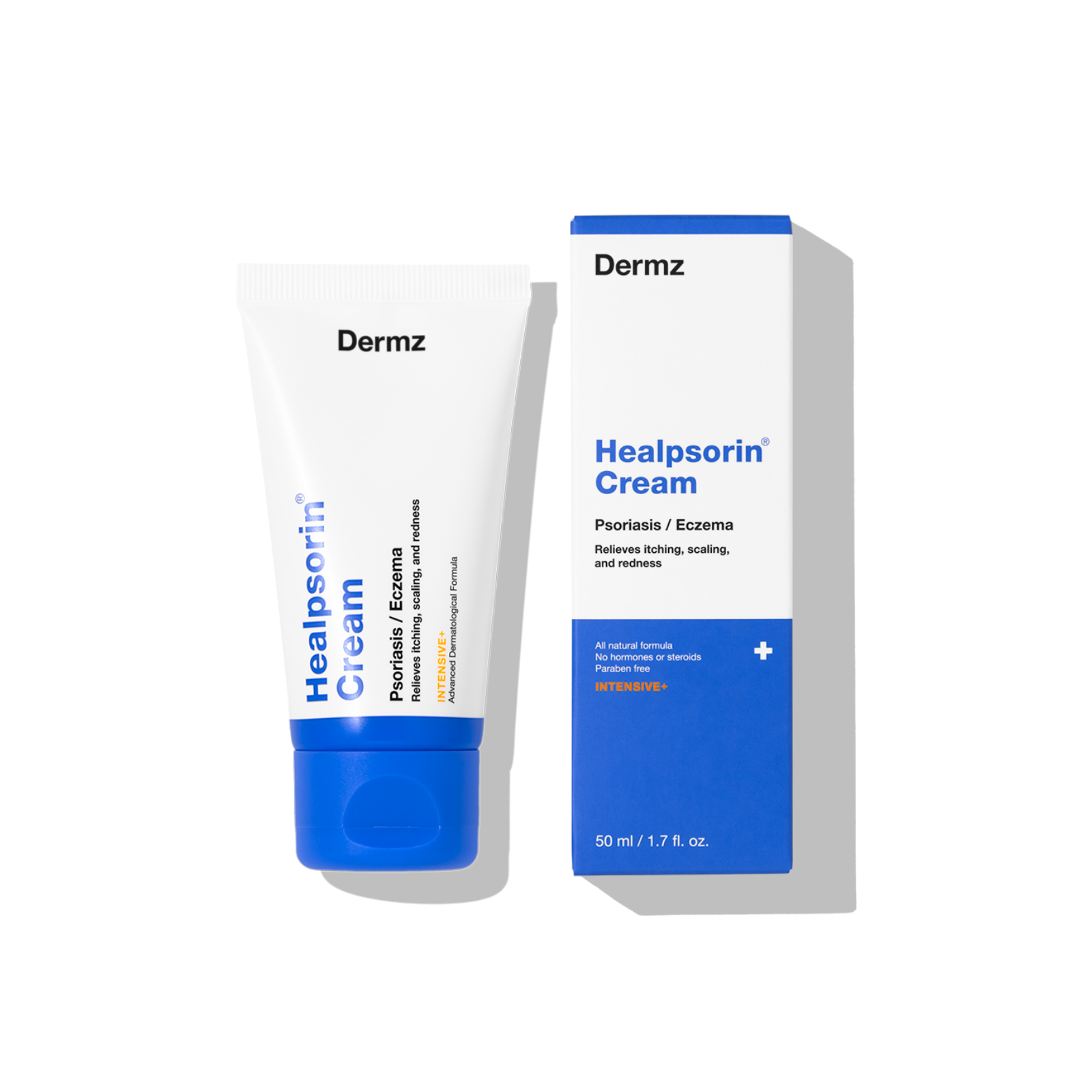
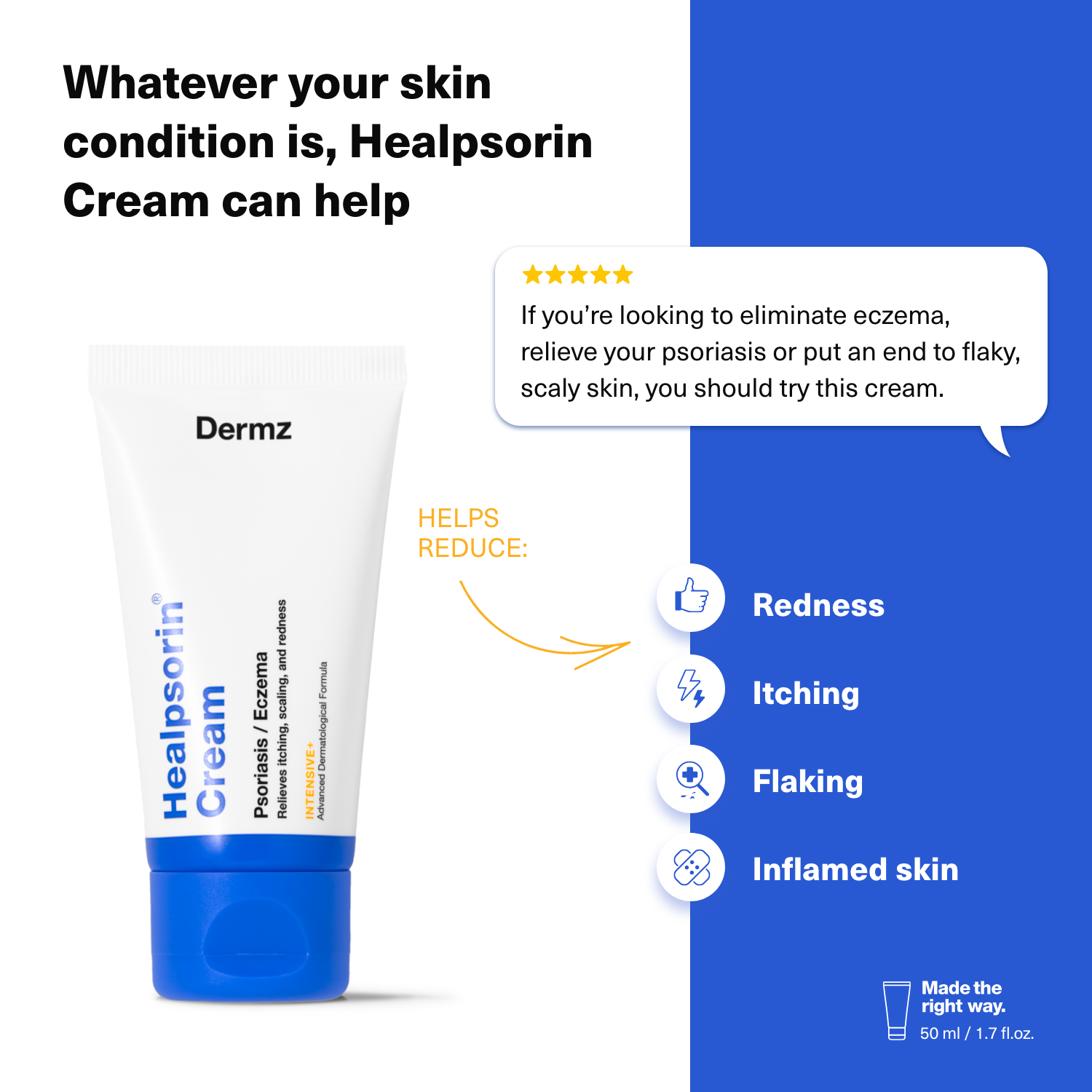
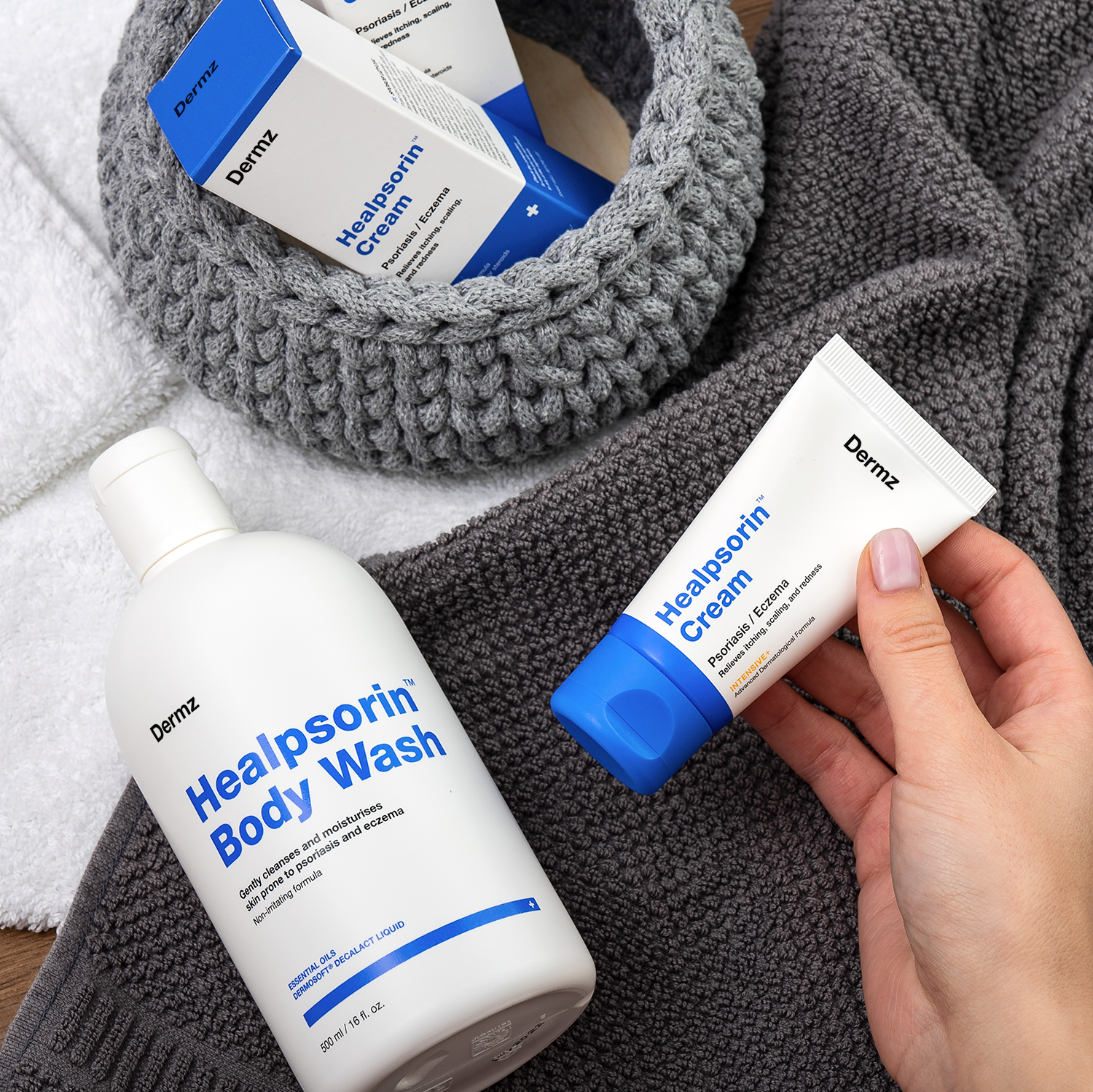
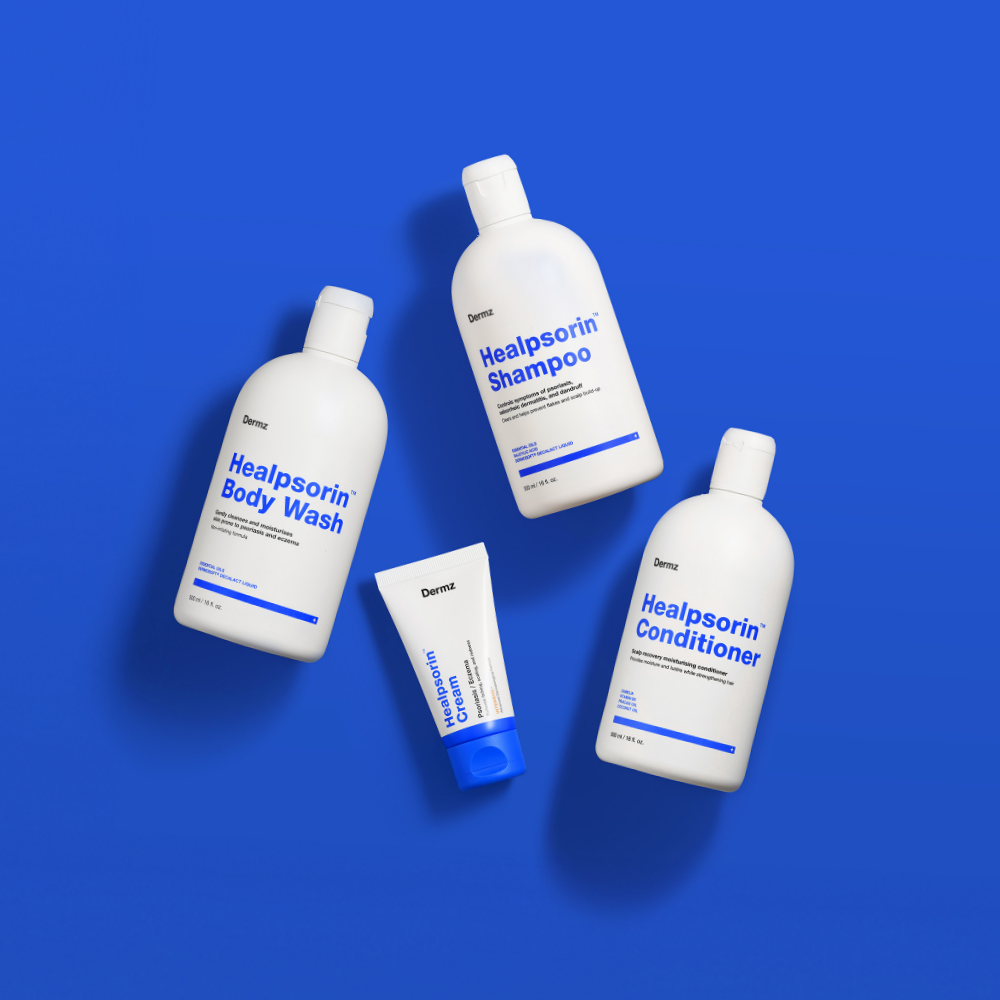
Dermz Labs dermocosmetics, for example, from the Healpsorin or Vitumisil lines, take a different route. They prioritize clean formulas where every element has a purpose. For instance:
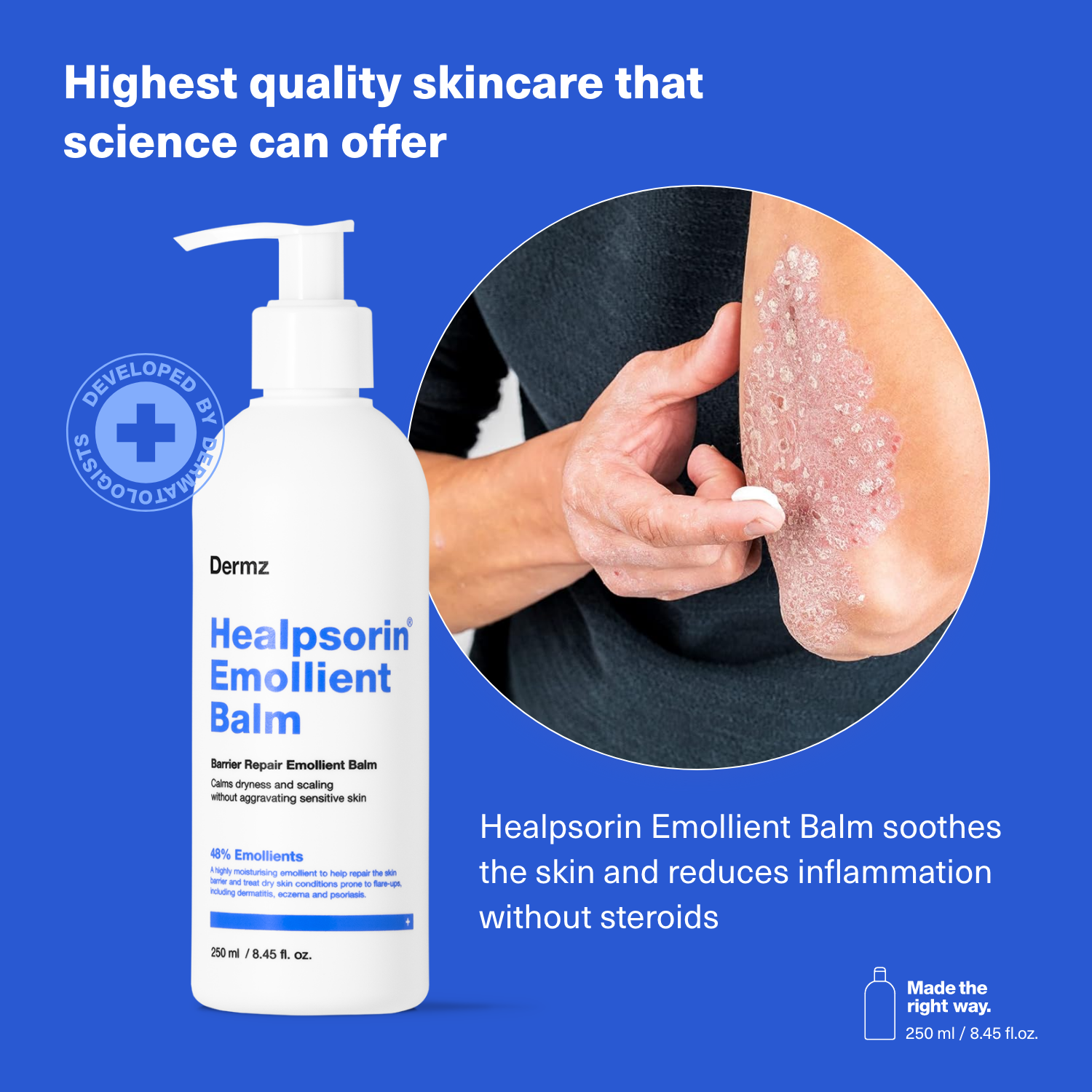
- In the Healpsorin line, the focus is on natural emollients and substances that actively soothe inflammation (for skin with psoriasis, eczema, AD, etc.).
- The Vitumisil line concentrates on sebum regulation and post-acne regeneration without aggressive drying.
This is an investment in ingredients that truly heal and permanently improve skin condition.
Case study: dandruff shampoo - cure or mask?
Imagine two dandruff shampoos:
- Aggressive commercial shampoo: contains a large amount of a strong detergent. After the first wash, you see the flakes are gone because they were brutally removed. The instant feeling of cleanliness is satisfying, but the scalp is irritated, dried out, and its natural flora is destroyed. In a few days, the dandruff problem will return with double the force because the barrier is ruined, and the root cause was not addressed.
- Healpsorin Shampoo: works differently. It cleanses gently so as not to disrupt the hydrolipid barrier, while simultaneously delivering active ingredients to the scalp that fight the cause of dandruff (e.g., the Malassezia fungus) and soothe inflammation. The initial visual effect may be slower, but after a few weeks of use, the problem subsides for longer because the scalp is regenerated and healthy.
This is the fundamental difference: removing symptoms at the expense of health vs. conscious regenerative care that focuses on underlying health.
Summary: investing in quality is investing in skin health
The choice is simple: you can continue to buy products that deliver a short-term cosmetic effect and constantly battle recurring issues, or you can commit to the Fact of Regeneration.
Investing in high-quality dermocosmetics that offer conscious regenerative care is an investment in health and peace of mind. You are paying for efficacy, clean formulas, and regeneration, not for an illusion. This is the path to lasting relief and healthy skin that doesn't have to pretend it's well.
FAQ - frequently asked questions
1. How long does it take to see the effects of conscious regenerative care?
The effects of temporary masking are visible almost immediately but fade quickly. Regeneration requires patience and time, as the skin needs about 28 days for a full epidermal renewal cycle. Lasting effects (e.g., reduced inflammation, barrier restoration) are usually noticeable after 4 to 8 weeks of regular use of clean and active dermocosmetics. For chronic conditions like psoriasis, maintaining the routine is crucial, and relief from itching often occurs faster.
2. Are expensive cosmetics always synonymous with regenerative action?
Not always. Price often reflects the costs of marketing, packaging, not necessarily the concentration of active ingredients or the purity of the formula. The key is to read the ingredient list (INCI). It is worth investing in products with high concentrations of proven regenerative substances (e.g., Vitamin B3 - Niacinamide, Salicylic Acid, Dermosoft Decalact, as well as natural oils and plant extracts like Sea Buckthorn, Comfrey, or Calendula) and a low content of fillers and irritating additives, which is characteristic of dermocosmetics. You are paying for the effectiveness and safety of the ingredients, not just the brand.
3. I have acne - should I completely avoid moisturizing products?
This is a common mistake. Acne-prone skin needs moisture and lipids to rebuild its barrier and stop defending itself with excessive sebum production. Instead of skipping moisturization, choose "non-comedogenic" (non-pore-clogging) products rich in regulating ingredients, such as those in the Vitumisil line. Moisturizing reduces inflammation and speeds up the healing of blemishes, provided the cream does not contain heavy, comedogenic fillers that clog pores.
4. How can I tell if an ingredient in a cosmetic is an irritating filler and not an active element?
Irritating fillers are often found at the beginning of the INCI list (indicating a high concentration) and are usually substances whose sole purpose is to change the consistency or fragrance. Examples include: Alcohol Denat (in high concentration), Sodium Laureth Sulfate (SLES), Parfum (when it is at the beginning of the list, not the end). Active ingredients (e.g., Niacinamide, Ceramide NP, plant extracts) typically have a defined role in treatment and should be in the middle or at the beginning of the list, in an appropriate concentration, supporting conscious regenerative care.
5. What is the hydrolipid barrier, and why is it so important for regeneration?
The hydrolipid barrier is the outer protective layer of the skin, composed of water and lipids (fats). It acts as a shield - protecting against moisture loss and the penetration of pathogens, allergens, and pollutants. Damage to this barrier (e.g., through aggressive cleansing) leads to dehydration, inflammation, and hyper-reactivity. Regenerative care, such as in the Dermz Labs lines, always aims to rebuild and strengthen it, which is the foundation of healthy skin and counteracts the short cosmetic effect.
6. Is the Healpsorin Baby line only intended for atopic skin?
The Healpsorin Baby line was created with maximum gentleness and safety in mind, making it ideal for atopic and eczema-prone skin. However, due to its clean, irritant-free, and emollient-rich formula, it is excellent for every infant and child - even those without skin problems - as a preventative measure and a way to strengthen the natural hydrolipid barrier from the first days of life. It is a model of conscious regenerative care.
7. Can I combine Dermz Labs dermocosmetics with other brands in my routine?
Yes, but always proceed with caution. Dermz Labs products are designed for synergistic action and high formula purity. When combining them with other brands, make sure the latter do not contain substances you are trying to avoid (e.g., strong alcohols, irritating fragrances, SLS) that could nullify the regenerative effect. Introducing a new product should be done gradually, and for problematic skin (e.g., psoriasis), it is best to stick to one proven line