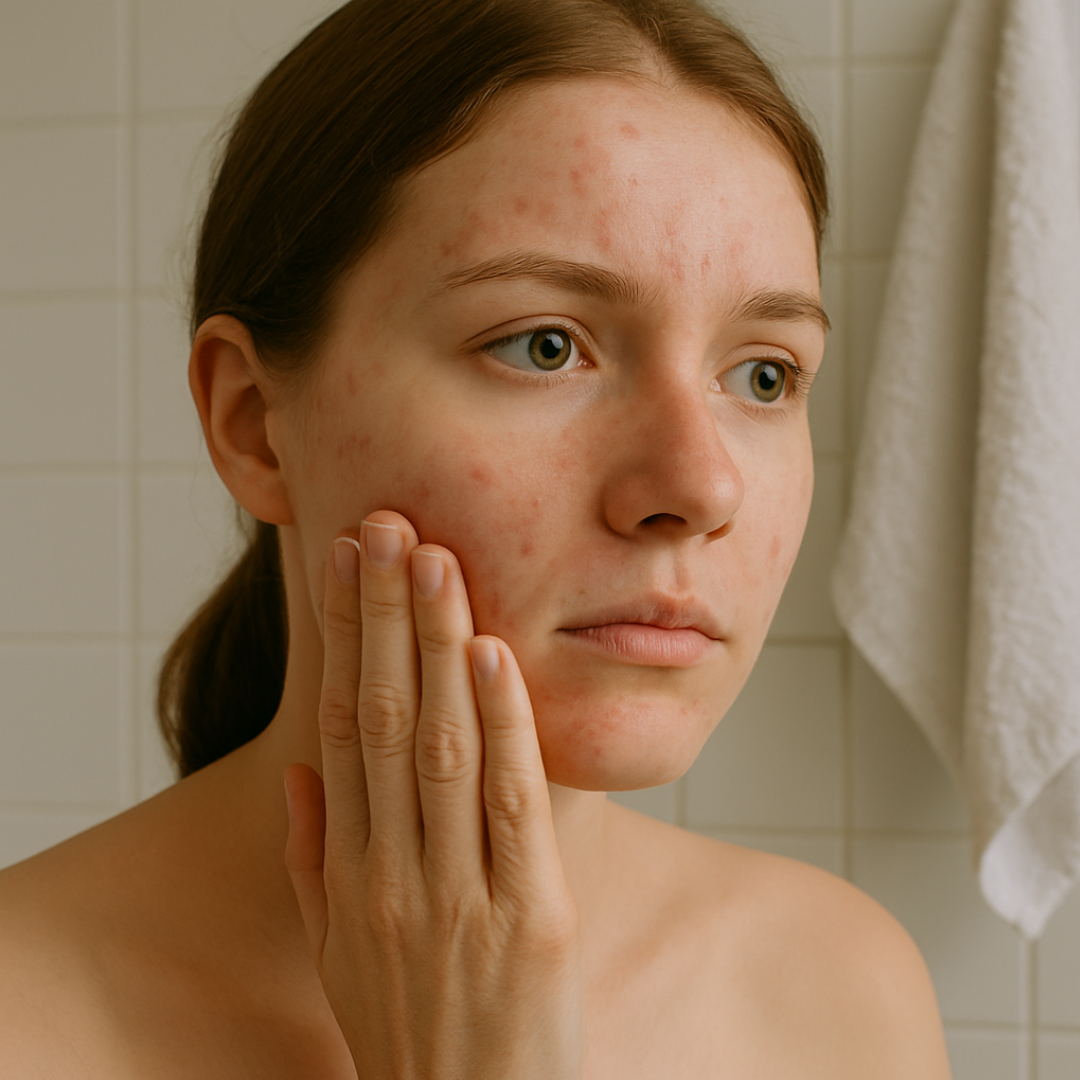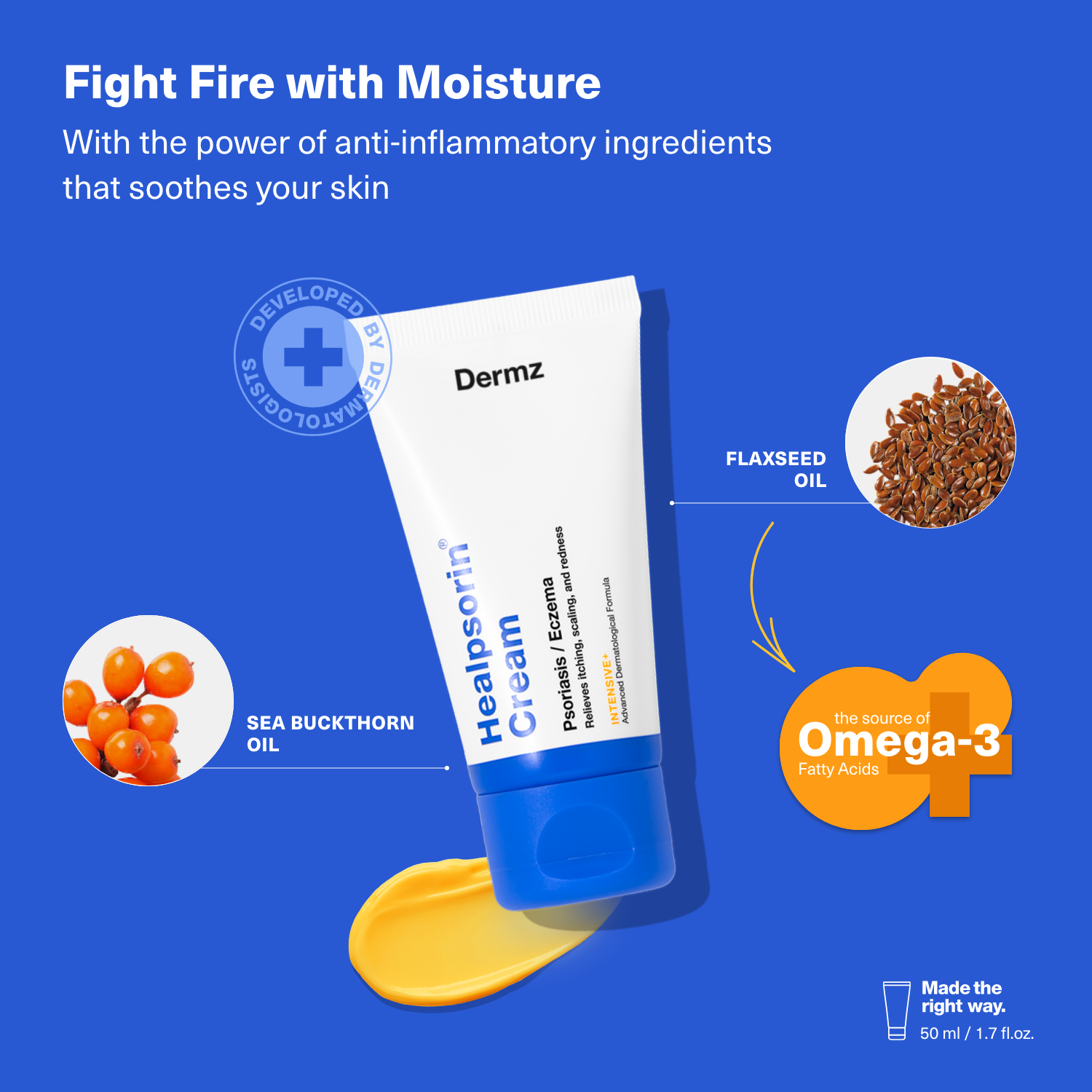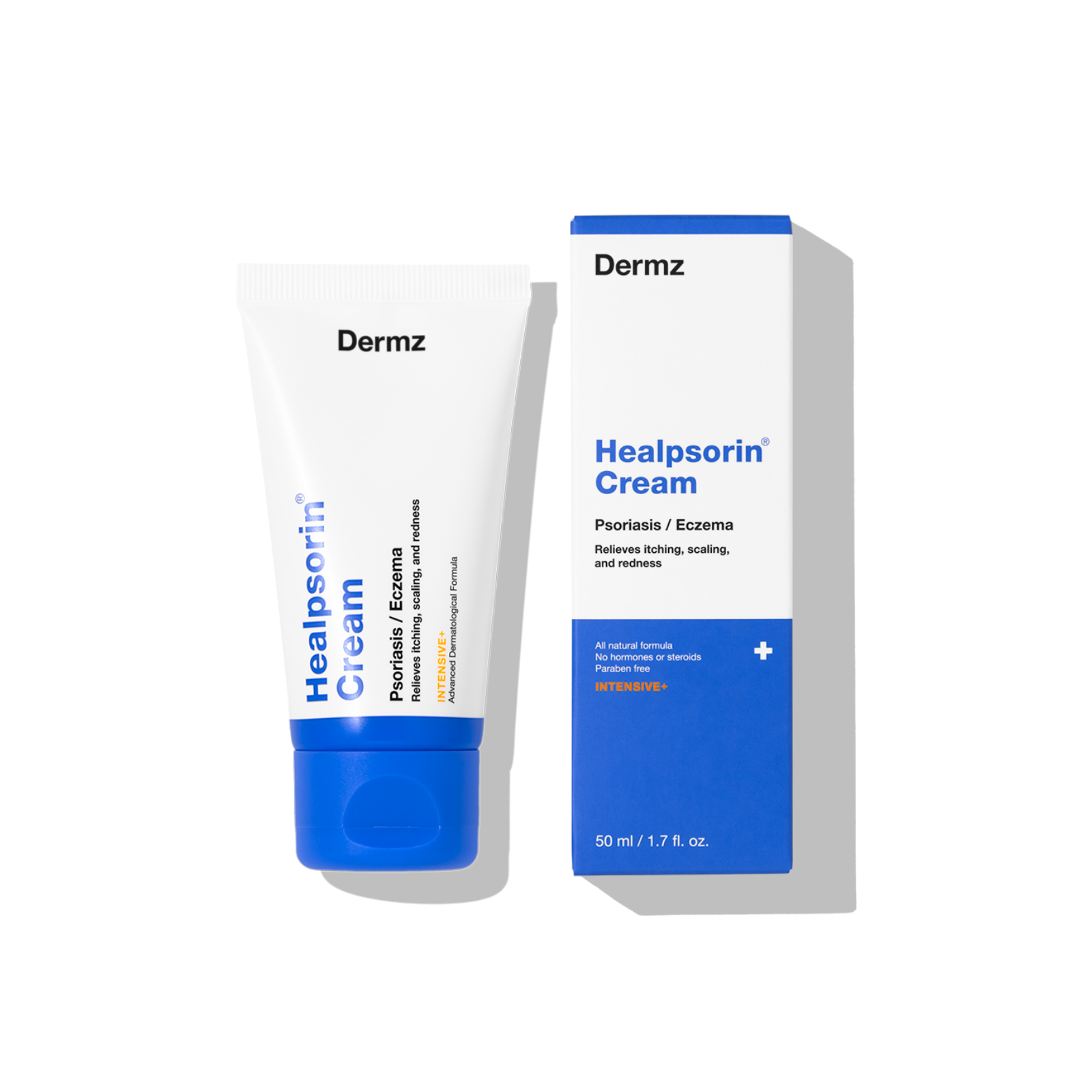
Your skin is an incredibly intelligent structure that acts as a shield. Imagine a solid wall – the bricks are your epidermal cells, and the mortar is the lipids that hold everything together. The problem begins when this mortar starts to crack. Water escapes through the leaks, while bacteria and pollutants seep in. This is when burning, dryness, or the flare-up of conditions like eczema occur. Today, we’ll look at how smartly designed dermocosmetics can become a "renovation crew" for your skin.
What is the hydrolipid barrier and how to rebuild it?
The hydrolipid barrier is the skin's natural protective coat, composed of water and fats, which prevents dehydration and protects against external factors. Rebuilding it involves supplying the missing lipids that "seal" the epidermis, restoring the skin's softness and resilience.
If you struggle with issues like psoriasis, your protective barrier practically does not exist. Cells multiply too quickly, and the "mortar" between them is full of holes. This is why proper dermocosmetics for psoriasis-prone skin are so vital. It’s not just about greasing the skin, but about providing ingredients that the skin recognizes as its own.
Why does the hydrolipid barrier fail in psoriasis and eczema?
Damage to the protective barrier during psoriasis and eczema results from genetic deficiencies in proteins and lipids, as well as chronic inflammation. This leads to a "leaky" epidermis, resulting in extreme dryness, itching, and painful cracks.
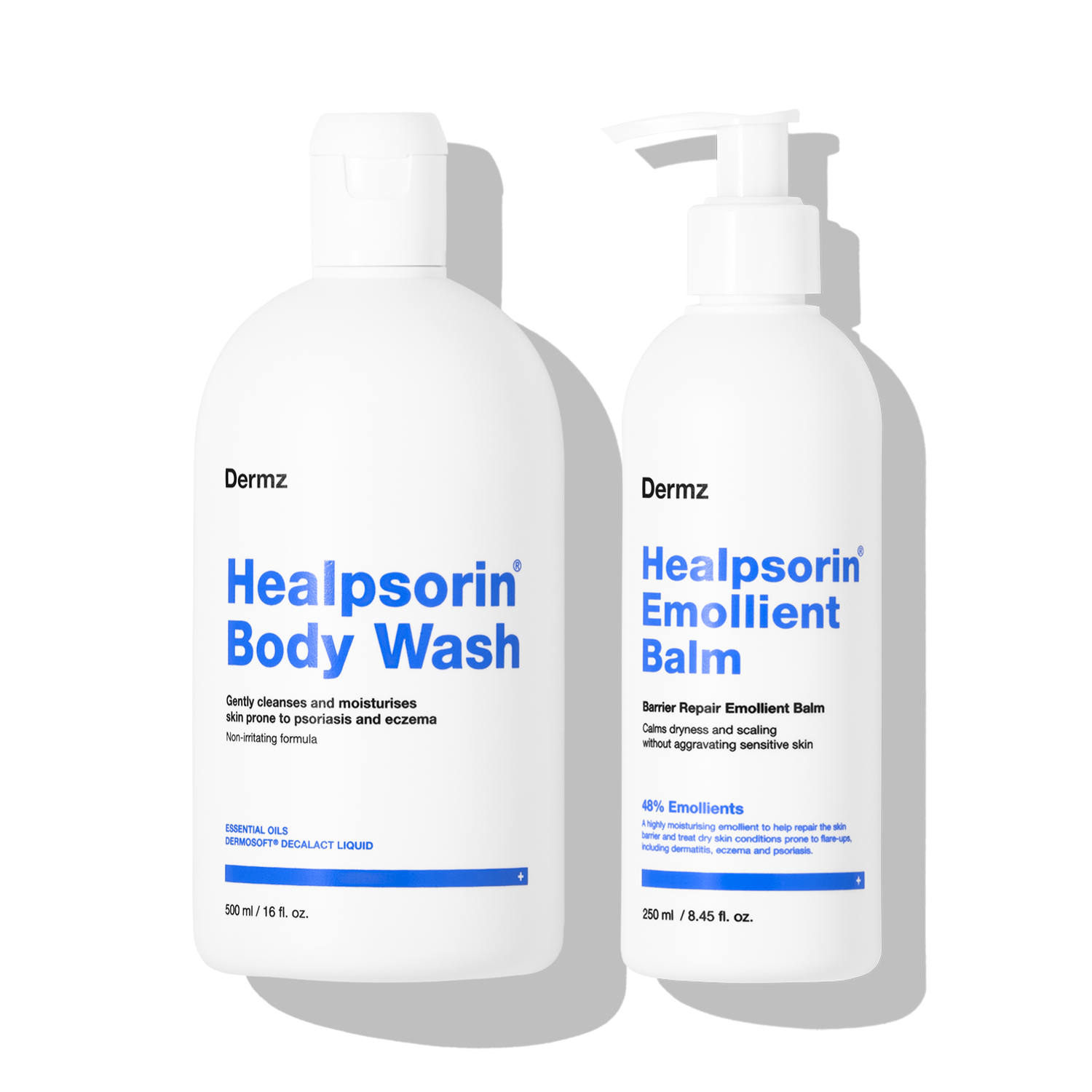
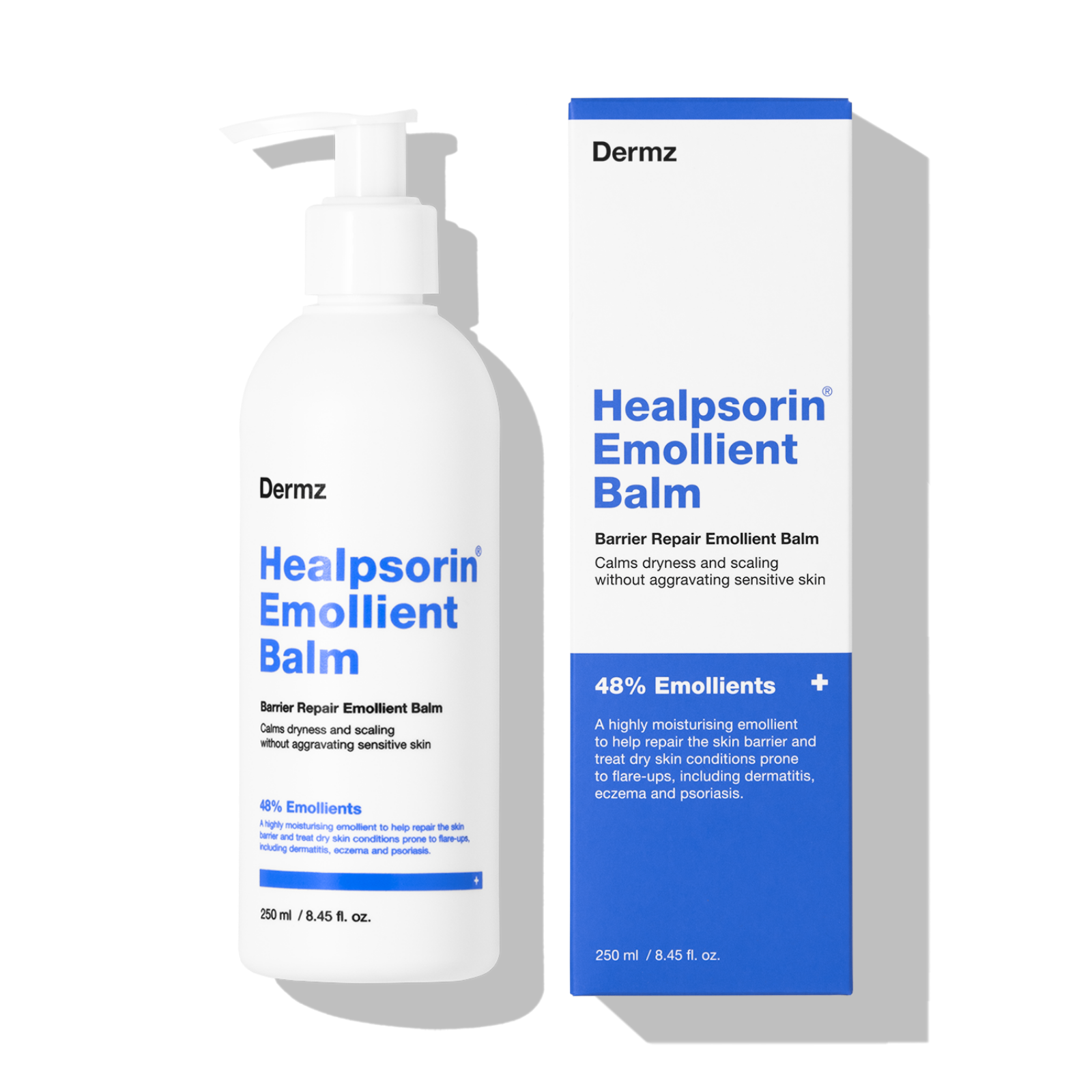
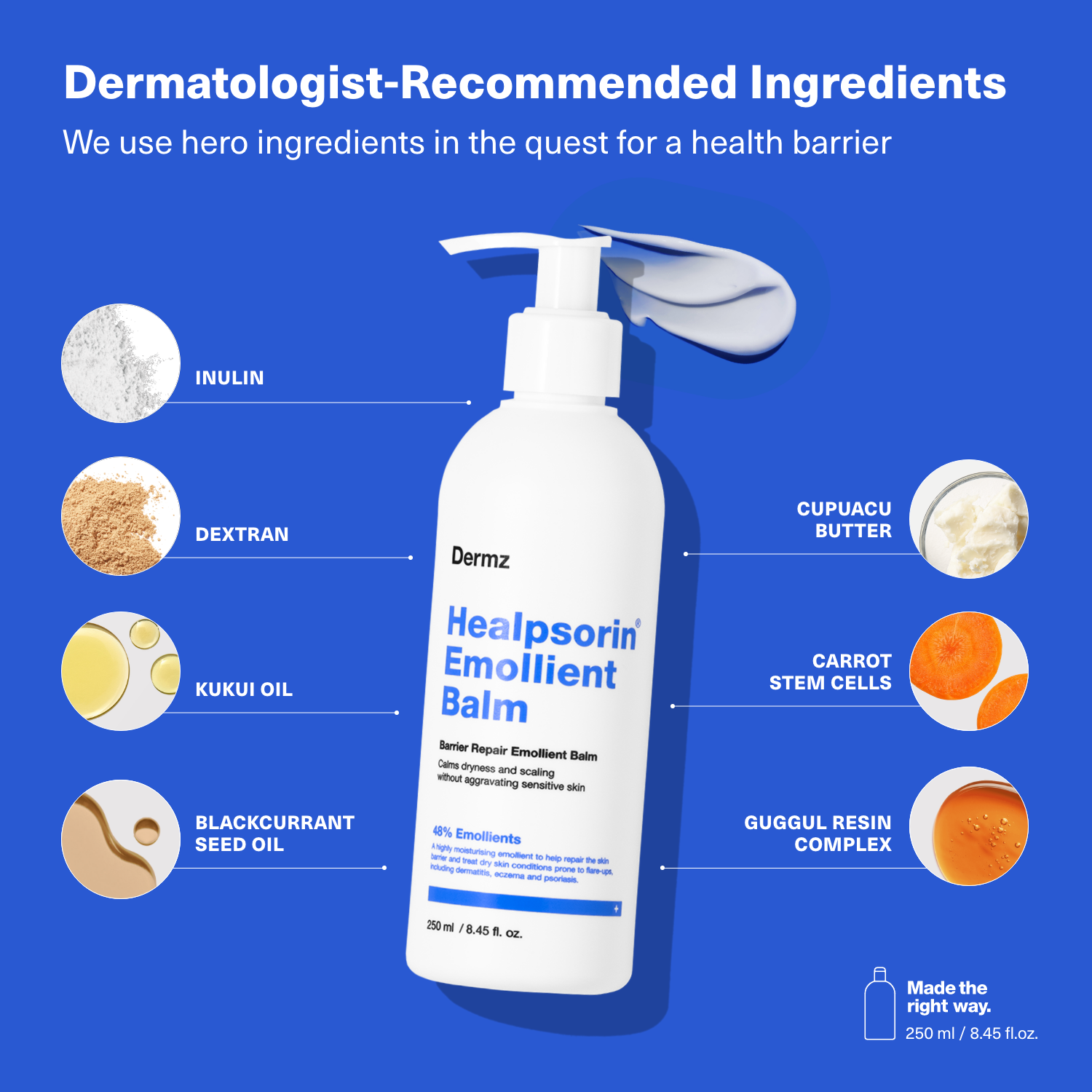
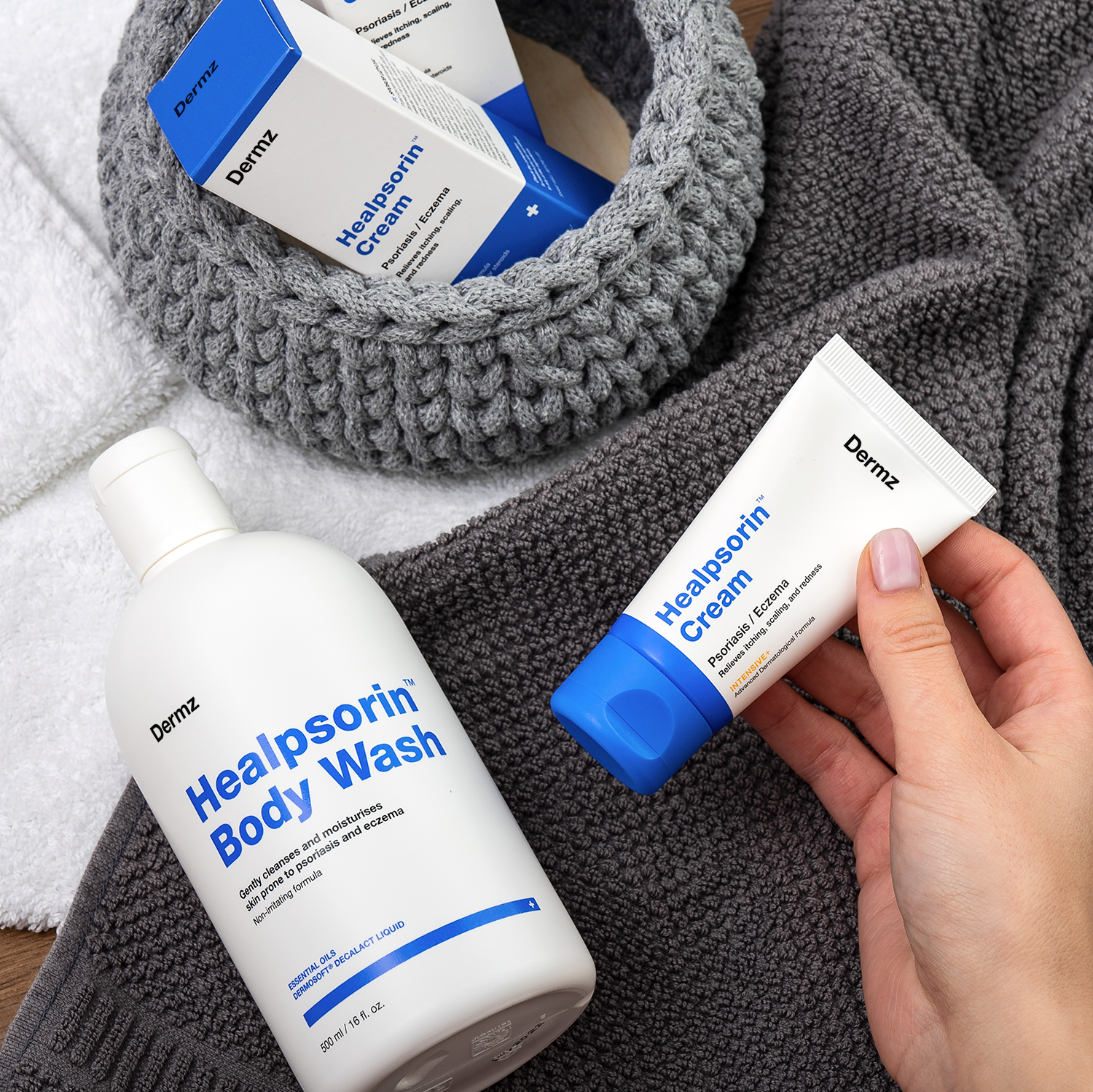
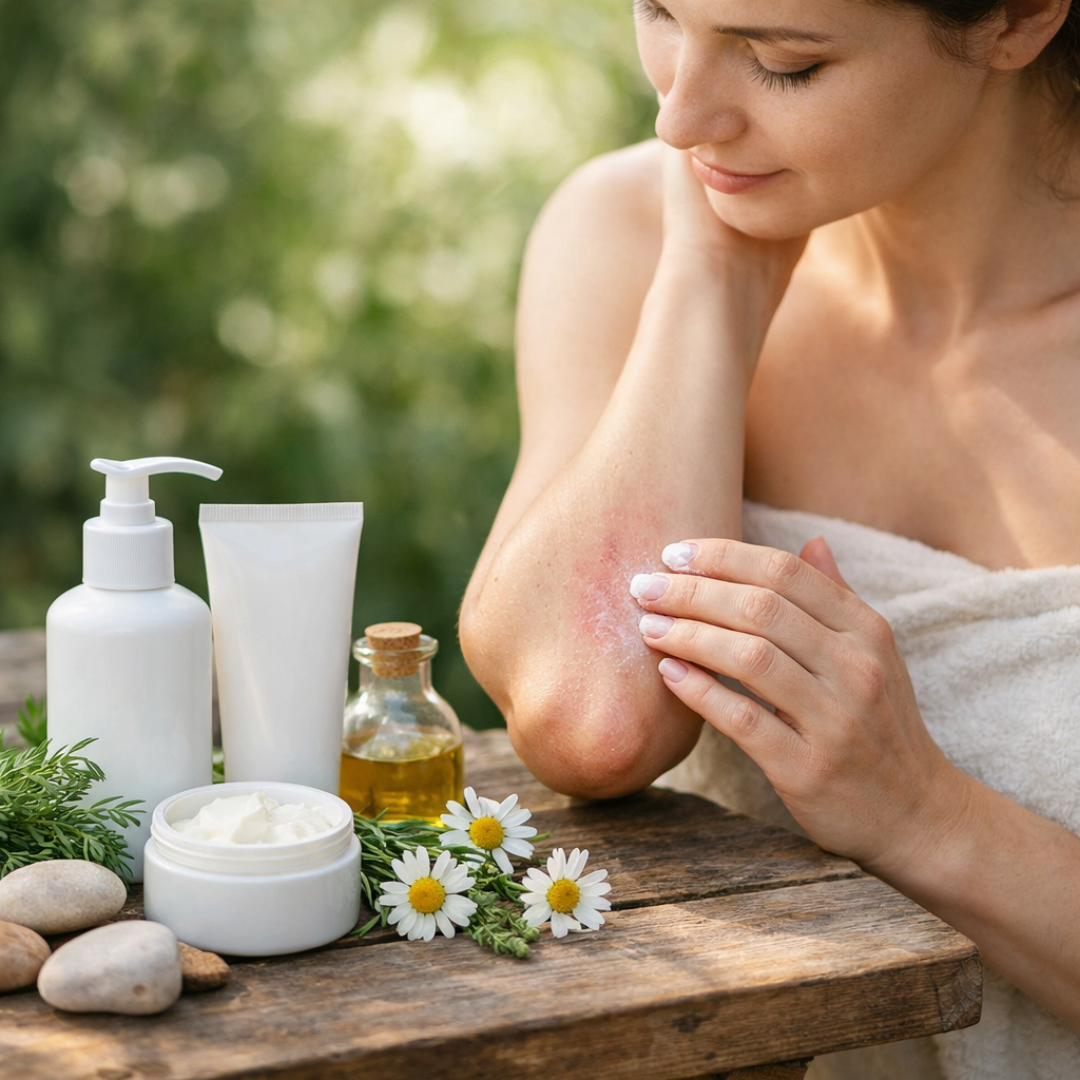
When dealing with eczema, your skin is like a sieve. We call this process Transepidermal Water Loss (TEWL). When choosing dermocosmetics for eczema-prone skin, you are looking for a solution that will lock that moisture inside. Healpsorin Emollient Body Balm does this using Cupuacu butter and Kukui oil. These aren't just ordinary moisturizers - they are rich sources of Omega-3 and Omega-6 acids that literally integrate into the structure of your epidermis to patch the holes.
What Else Helps in This Repair?
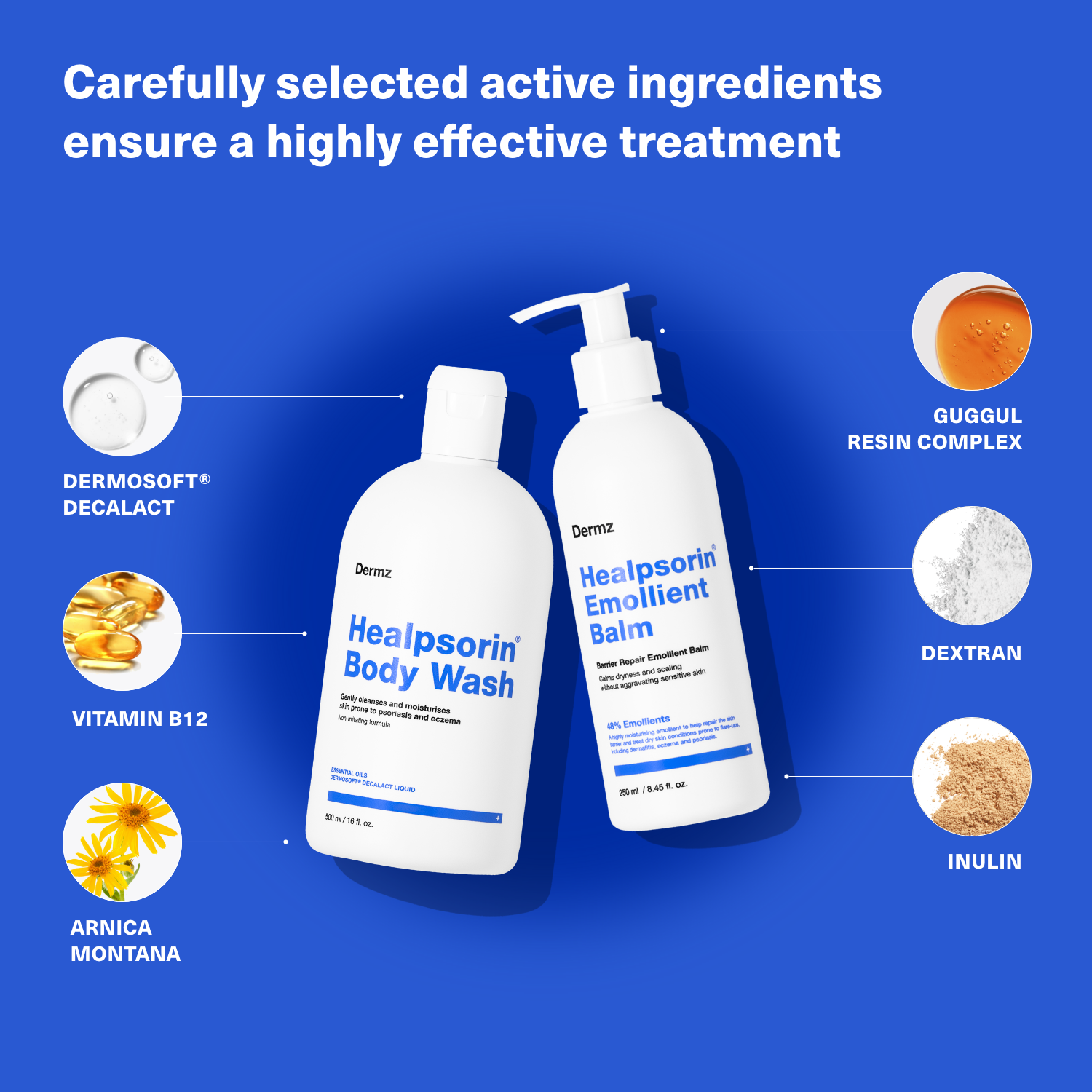
- Green Carrot Root Stem Cells - they calm inflammations that you might not even know were smoldering.
- Inulin - a natural prebiotic that looks after the good bacteria on your skin.
- Blackcurrant Oil - strengthens the skin and eliminates that bothersome feeling of tightness.
How does intercellular "cement" seal your skin?
Intercellular cement is a mixture of lipids, such as ceramides, cholesterol, and fatty acids, that bonds epidermal cells together. It acts like a tight gasket, preventing water escape and blocking allergens from accessing deeper skin layers.
Natural active ingredients have the advantage of working in harmony with your body. For example, the Guggul-MCT810 extract found in Dermz products has potent regenerative properties. It’s a bit like applying ready-made replacement parts to your skin’s own construction. Because of this, dermocosmetics for sensitive (dry) skin don't just provide temporary relief; they realistically change the condition of the epidermis in the long run.
Can dermocosmetics for dandruff and atopic dermatitis help the scalp regain balance?
Scalp care for dandruff or Atopic Dermatitis (AD) requires exfoliating ingredients that do not compromise the protective barrier. Effective preparations remove scales, hydrate the scalp, and inhibit the growth of microorganisms responsible for inflammation.
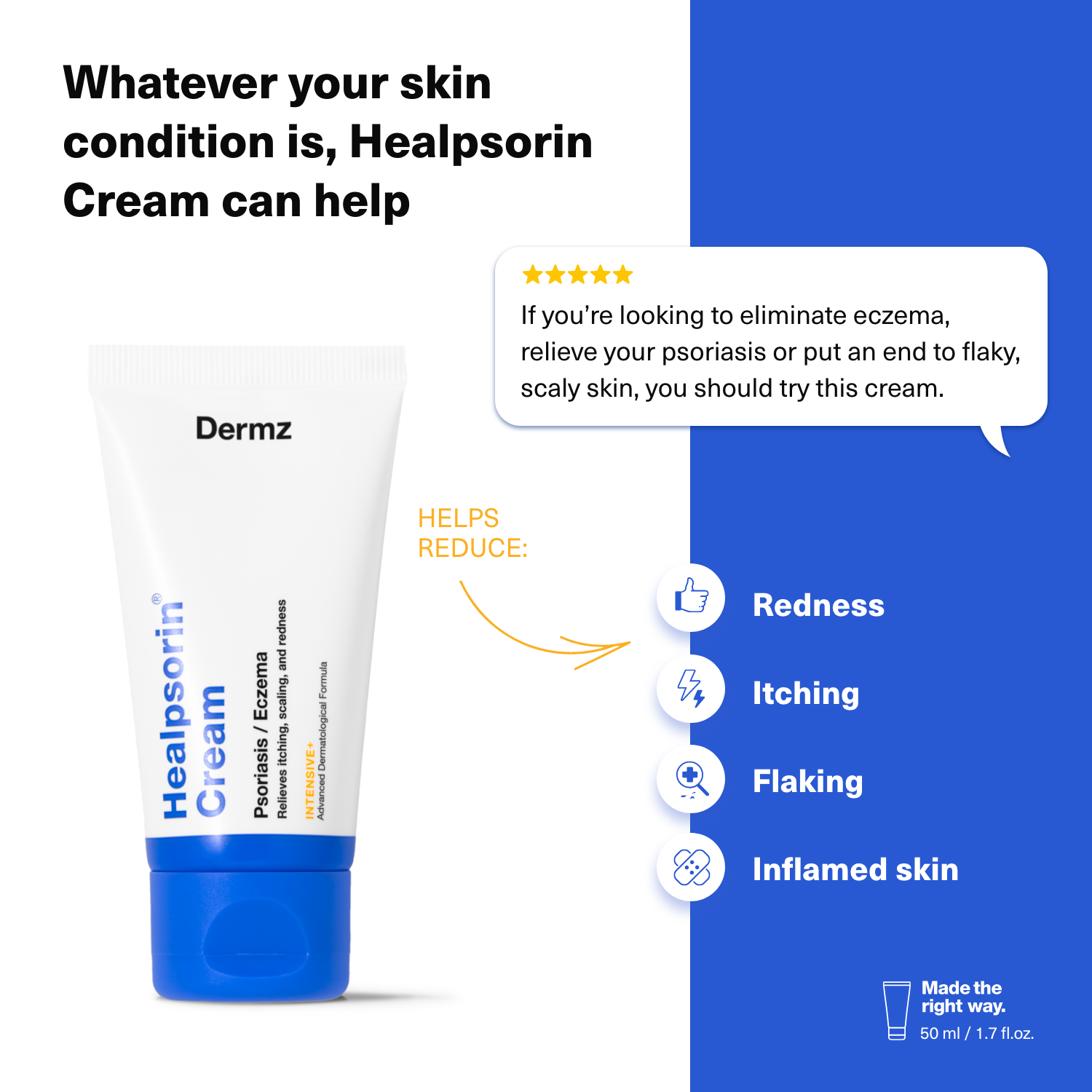
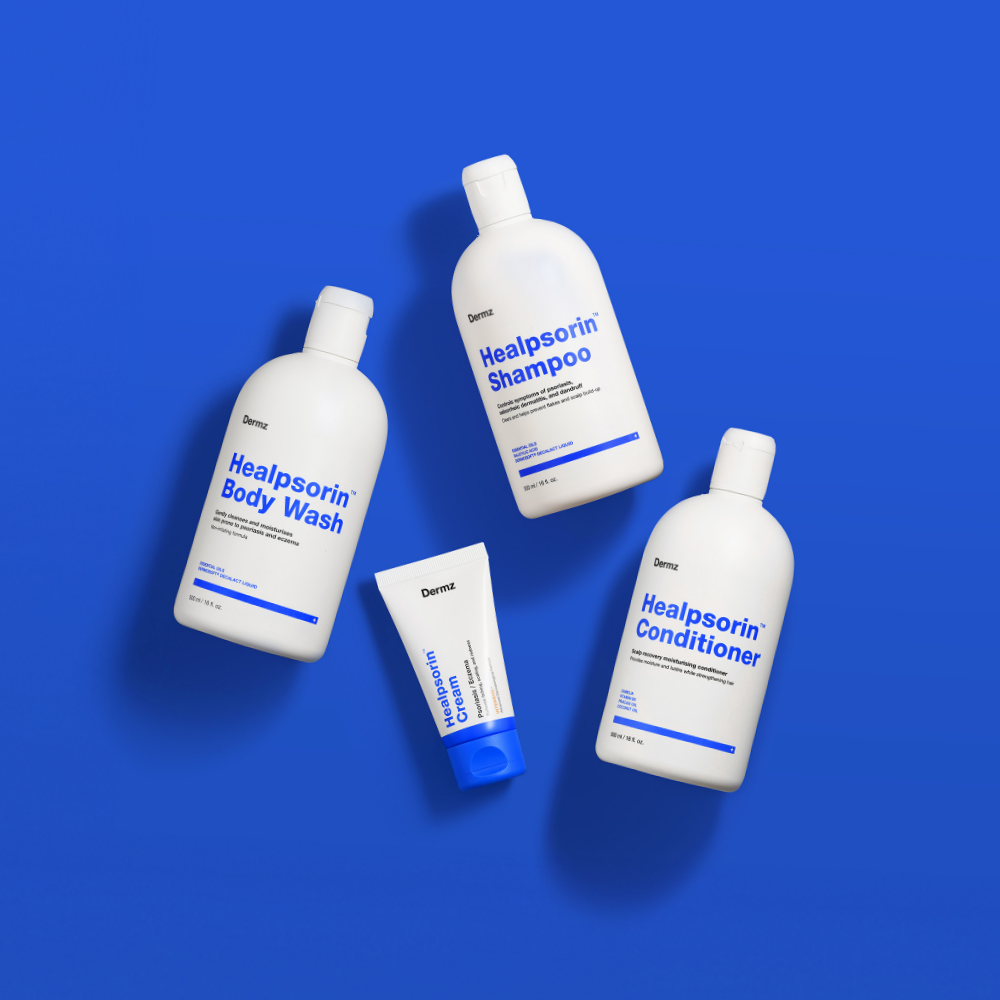
The scalp is skin too, just with more sebaceous glands. When the barrier breaks there, dandruff or atopic dermatitis appears. If you are seeking relief, dermocosmetics for dandruff should work on multiple levels. Healpsorin Shampoo combines salicylic acid, which removes dead skin, with urea, which deeply hydrates.
Why is this combination so important?
- Salicylic acid clears the way for active ingredients.
- Urea ensures the skin doesn't dry out like a bone after washing.
- Dermosoft Decalact fights the fungi that cause dandruff.
- Comfrey soothes the burning and itching that often keeps you up at night.
By using dermocosmetics for AD, you aren't just washing your hair; you are treating the environment in which it grows. After all, a healthy scalp is the foundation for strong hair.
Why is skin regeneration key in hair loss?
Hair loss is often linked to weakened microcirculation and inflammation of the hair follicles, which shortens the hair's life cycle. Regenerating the scalp and strengthening its protective barrier allows for better nourishment of the bulbs and stimulates the growth of new strands.
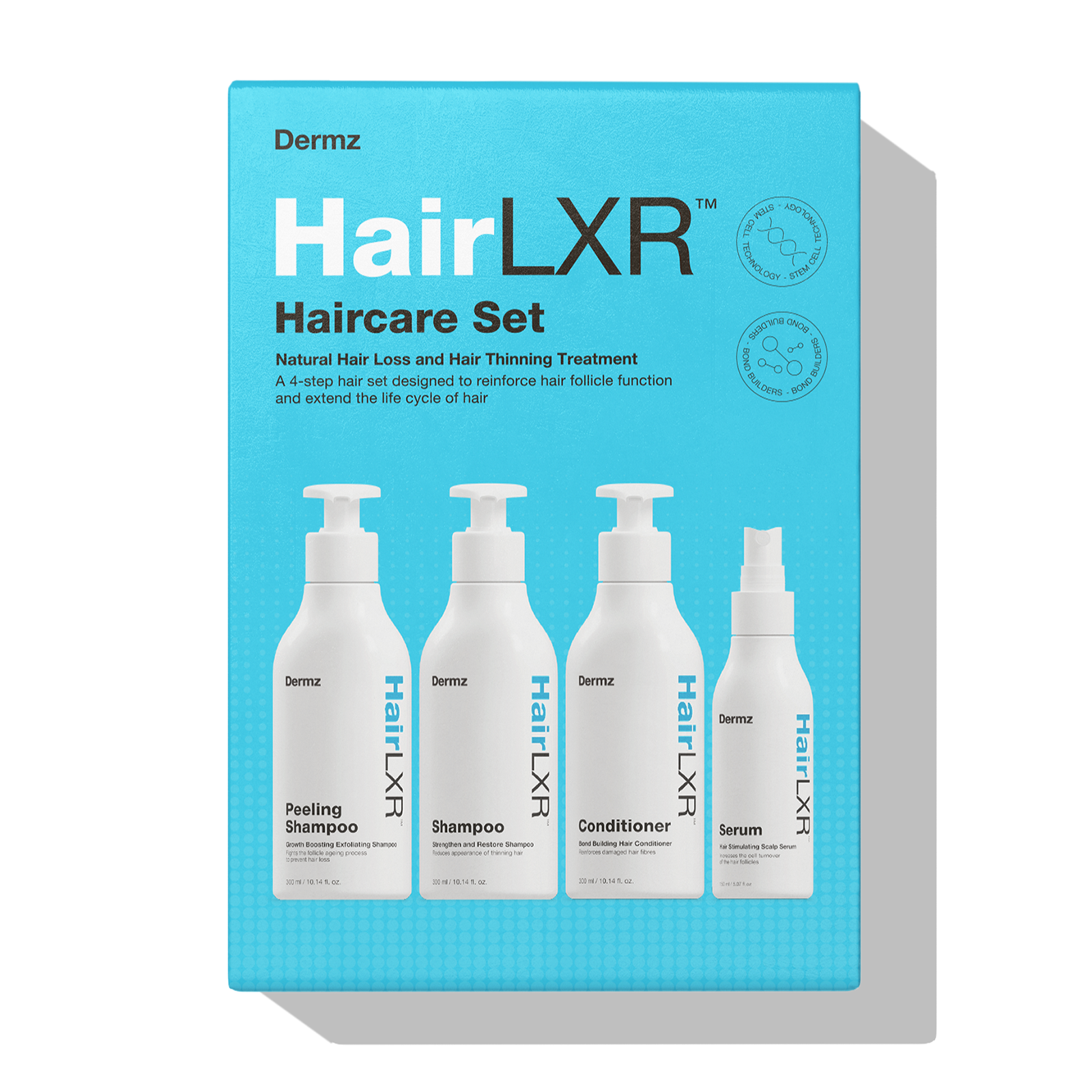
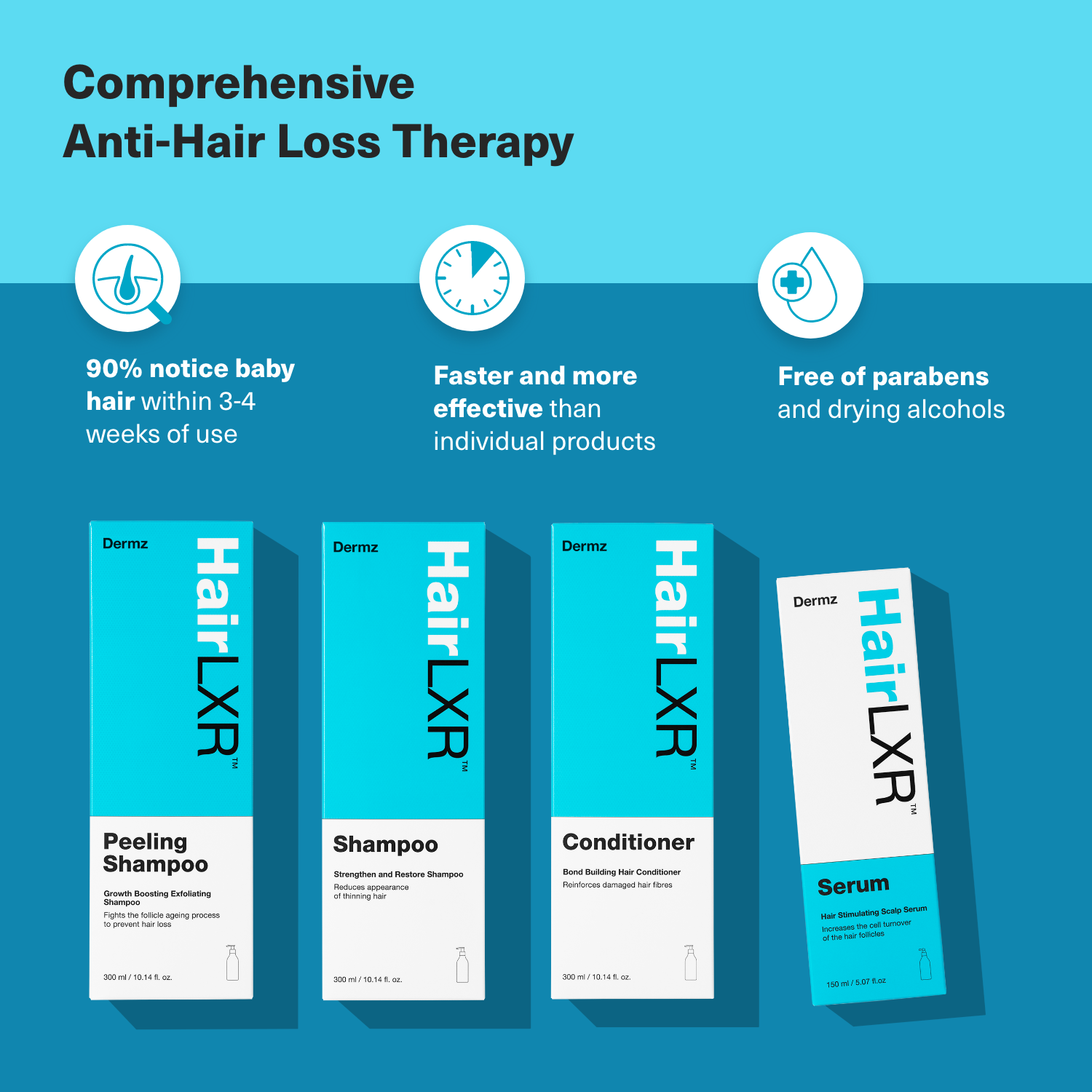
If you notice more hair on your brush, it’s a sign that your scalp's architecture needs support. The 4-step HairLXR Set acts as a comprehensive renewal treatment. Instead of one product, you have four steps that first cleanse and stimulate circulation, and then rebuild the disulfide bridges in the hair. This is important because hair damaged by chemical treatments is like a porous sponge - it loses everything you put into it.
Why avoid aggressive chemicals in skin care?
Aggressive detergents, such as SLS or SLES, destroy the skin's delicate lipid coat, leading to hypersensitivity and the worsening of disease symptoms. Natural cleansing and caring ingredients are a safer alternative because they support physiological repair processes without causing irritation.
Many "soothing" creams from drugstores have formulas full of drying alcohols and sulfates. For someone who needs dermocosmetics for sensitive skin, such products are a direct path to worsening inflammation. At Dermz Labs, we focus on cruelty-free and vegan-friendly products, free from parabens and phthalates. Nature has everything we need to repair what has been damaged by stress, sun, or pollution.
How to care for skin to avoid recurrence?
Repairing the barrier is a process, not a one-time event. Your skin needs constant protection, especially from UV rays, which destroy collagen and elastin. Regular use of natural ingredients like Dextran or Cupuacu butter keeps this defensive wall intact. Remember, healthy habits and conscious care are the best investment in your comfort and self-confidence.
FAQ - frequently asked questions
1. Which dermocosmetics for psoriasis are best to start with?
It is best to start with products that combine exfoliation with deep regeneration. For psoriasis, the scalp requires a shampoo with salicylic acid and urea, like Healpsorin, to safely remove scales. For the body, choose a rich emollient balm with phytosterols and plant oils to rebuild the lipid barrier and prevent skin cracking. Avoiding products with SLS is crucial to prevent further irritation.
2. Is Healpsorin Balm vegan-friendly and was it tested on animals?
Yes, Healpsorin Balm and other Dermz products are 100% vegan-friendly and certified cruelty-free. This means you won't find any animal-derived ingredients, and the products were not tested on animals at any stage of production.
3. How quickly will I see results using the HairLXR hair loss set?
Most users notice the first signs of "baby hair" after 3-4 weeks of regular use. The process depends on the individual hair growth cycle, but by stimulating microcirculation and nourishing the bulbs, hair becomes noticeably stronger and thicker in a relatively short time.
4. What is TEWL and why is it important in eczema?
TEWL (Transepidermal Water Loss) is the process of water escaping through the epidermis. In healthy skin, it is controlled, but in eczema, the barrier is leaky. Dermocosmetics for eczema aim to "seal" this wall, minimizing TEWL and restoring hydration.
5. Can Healpsorin Shampoo be used for Atopic Dermatitis (AD)?
Absolutely. While created for psoriasis, its ingredients like Dermosoft Decalact are highly effective against the microbes that cause AD and severe dandruff, providing soothing actions.
6. How do dermocosmetics differ from regular drugstore cosmetics?
Dermocosmetics sit between cosmetics and pharmaceuticals. They contain higher concentrations of proven active ingredients and are developed with dermatologists to target specific issues without unnecessary dyes or harsh detergents.
7. How does the urea in dry skin products work?
Urea is a natural moisturizing factor. In lower concentrations, it binds water and softens the skin; in higher concentrations, it gently exfoliates dead cells, making the skin more receptive to other active ingredients.