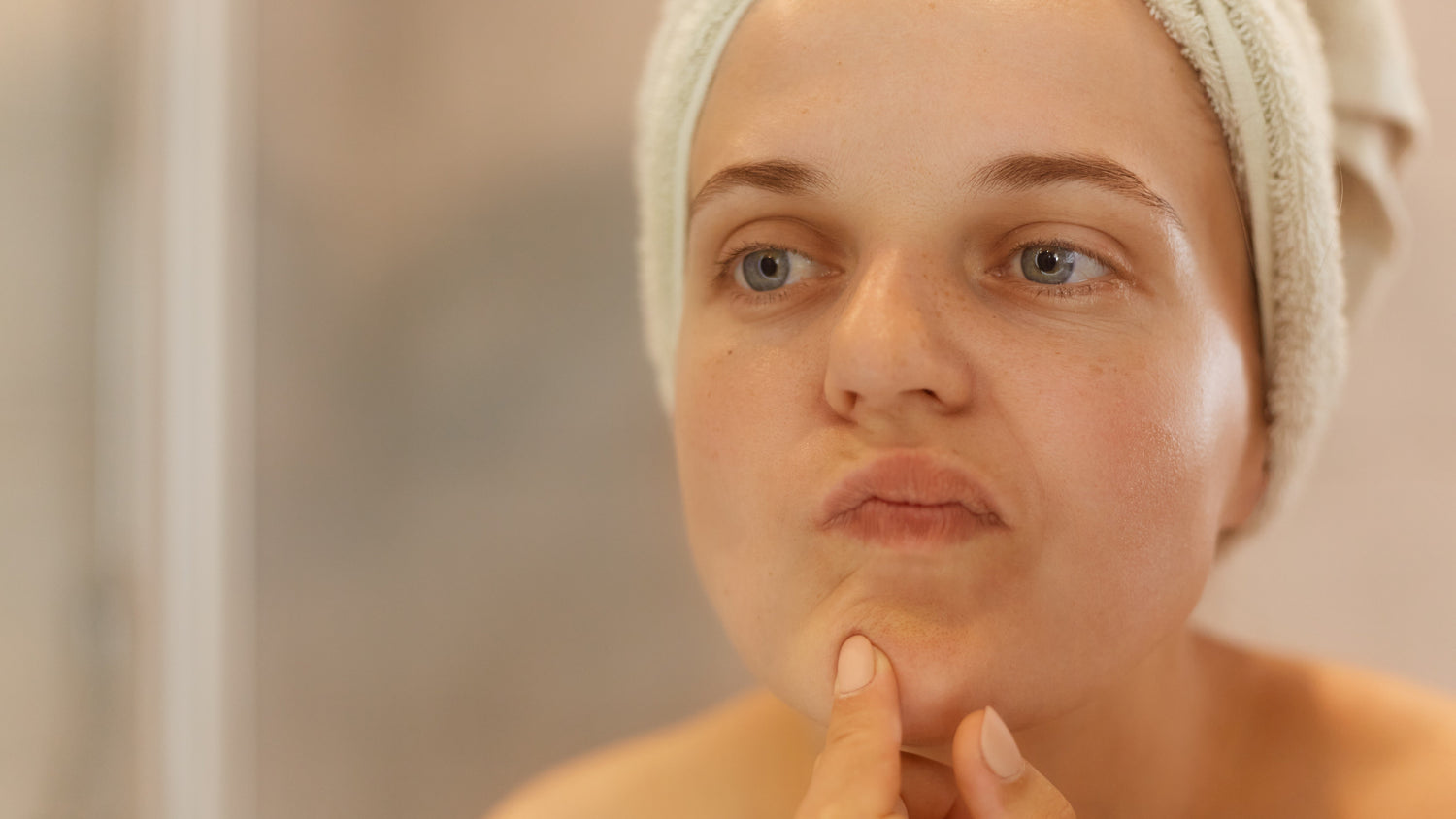
What Is the Skin Barrier
Your skin barrier, or the moisture barrier, is the outermost layer of the epidermis known as the stratum corneum. When it's damaged, that protective layer can't do its job properly, and the result is dryness, redness, sensitivity, and inflammation. If your skin suddenly feels tight, reactive, or rough, or if you're looking for a routine that helps repair and prevent barrier damage, understanding how this barrier actually works is the first step.
Think of it like a brick-and-mortar wall. Skin cells are the bricks, and lipids are the mortar that holds everything together, forming a protective barrier in the skin's outer layer. This structure helps retain moisture, reduce water loss, and shield the skin from pollutants and other external aggressors in the outside world. When that wall is compromised, moisture escapes more easily and irritants find it much easier to get in. The result is a cascade of visible and uncomfortable symptoms that can affect how your skin looks and feels for days or even weeks.
The stratum corneum isn't just a passive covering sitting on top of the skin. It's an active structure made up of corneocytes, the flattened, dead skin cells that form the "bricks," surrounded by a lipid matrix rich in ceramides, cholesterol, and fatty acids, the "mortar" that holds everything in place. This matrix is arranged in tightly packed layers that work almost like overlapping shingles on a roof, each one reinforcing the next and closing off any gaps that water or irritants could otherwise slip through. When the balance of these lipids is disturbed, whether from harsh products, environmental stress, or simply the passage of time, the wall develops gaps of its own. Water escapes through those gaps in a process often called transepidermal water loss, and the skin becomes more vulnerable to whatever it comes into contact with next.
A healthy barrier does more than just keep skin hydrated. It also plays a role in immune defense, helping to prevent bacteria, allergens, and irritants from triggering a reaction underneath the skin's surface. It regulates what comes in and what goes out, acting as a kind of gatekeeper between the inside of the body and everything the outside world throws at it, from weather and pollution to the products we apply every day. This is part of why a damaged barrier so often shows up not just as dryness, but as breakouts, sensitivity, and reactivity to products that never used to cause a problem. Once that gatekeeping function breaks down, skin essentially loses its ability to decide what's a threat and what isn't, which is why even mild, previously well-tolerated products can suddenly feel irritating.
It's also worth understanding that the barrier isn't a fixed, unchanging structure. It's constantly renewing itself, with new corneocytes forming at the base of the epidermis and gradually moving upward and outward until they're shed from the surface, a cycle that typically takes around four weeks in healthy adult skin, though this slows with age. Lipid production follows a similar cycle, meaning the barrier is always somewhat in flux, always in the process of rebuilding itself. That's actually good news for anyone dealing with damage right now: because the barrier is designed to renew itself continuously, giving it the right support can genuinely help it recover, rather than leaving you stuck with permanent damage.
Below, we'll break down what the skin barrier does, what causes damage, the signs to look for, how to repair it with the right ingredients and routine, how long healing typically takes, when professional help makes sense, and simple ways to keep your skin healthy for the long term.
Causes of Skin Barrier Damage
Barrier damage rarely comes from a single source. More often, it's the result of several stressors stacking up over time until the skin finally shows signs of strain. Knowing what typically causes that strain can help you figure out what might be behind your own symptoms, and what to adjust going forward.
UV exposure and sun exposure
Ultraviolet light breaks down collagen and disrupts the lipid structure of the stratum corneum, weakening its ability to hold onto moisture. Even on cloudy days, UV rays reach the skin and contribute to this slow erosion, which is one reason dermatologists so consistently point back to sunscreen as a foundational step rather than an optional extra. Cumulative sun exposure over years is also a major driver of the natural thinning and weakening of the barrier that shows up later in life, which means the habits formed today have a direct bearing on how resilient skin will be decades down the line.
Over-exfoliation
Exfoliating acids and scrubs are popular because they can reveal brighter, smoother skin, but overdoing it strips the skin's natural oils and depletes the very lipids the barrier depends on. What starts as a glow can quickly turn into tightness, stinging, and visible irritation if exfoliation happens too often or with products that are too strong for your skin's current tolerance. This is especially common when people combine multiple exfoliating steps in one routine, such as a chemical exfoliant followed by a physical scrub, without realizing that the cumulative effect on the barrier is much greater than either step on its own.
Harsh skincare actives
Ingredients like glycolic acid are genuinely useful for cell turnover and texture, but they need to be used cautiously, especially when the barrier is already vulnerable. Layering multiple actives at once, or introducing a new strong acid while the skin is already reactive, is a common way barrier damage gets worse. Retinoids, high-percentage vitamin C formulas, and strong acne treatments can all fall into this category as well, particularly when they're introduced too quickly or used more often than the skin can tolerate.
Extreme temperatures and dry air
Harsh weather, whether it's biting cold wind in winter or dry heat from indoor heating and air conditioning, can reduce the skin's lipid content and speed up moisture loss. This is why so many people notice their skin becoming flakier and more reactive during seasonal changes, even if their routine hasn't changed at all. Central heating in particular strips ambient humidity from indoor air, and skin that spends most of its day in a heated or air-conditioned environment often shows more signs of dehydration than skin that spends more time in naturally humid conditions.
Ageing
As skin matures, ceramide and ceramide-precursor production slows, and the barrier becomes naturally thinner and less resilient, which means it takes less to disrupt it than it once did. Someone in their twenties might tolerate a stronger active or a hotter shower without any visible consequence, while the same habit in their forties or fifties could trigger noticeable barrier symptoms.
Genetics
Some people are simply born with a barrier that produces fewer lipids or has a genetic predisposition toward conditions like eczema, making them more prone to damage even with a gentle routine. Filaggrin gene mutations, for example, are strongly associated with a weaker barrier and a higher likelihood of developing eczema, and people with this genetic background often need to be more cautious with actives and more consistent with barrier-supportive ingredients than someone without that predisposition.
Stress
When the body is under chronic stress, cortisol levels rise, and this can interfere with lipid synthesis and slow down the skin's natural repair processes, meaning that once the barrier is compromised, stress can make it take longer to bounce back. Poor sleep often travels alongside high stress, and the combination can leave skin looking noticeably duller and more reactive than usual, even without any change to the topical routine.
Damaged Skin Barrier Symptoms
Recognizing a damaged skin barrier early can make a real difference in how quickly it recovers. The signs aren't always dramatic, but they tend to follow a recognizable pattern once you know what to look for, and catching them early often means a shorter, easier recovery.
-
Dryness, tightness, or flaking: This often shows up as itchy skin, rough patches, and visible flaky skin, particularly around the cheeks, forehead, and areas where products are applied most directly. Skin that once felt comfortable and hydrated can suddenly feel like it's pulling or cracking, especially right after cleansing, and moisturizer that used to feel sufficient may no longer seem to do the job at all.
-
Visible redness, inflammation, and irritation: Because the barrier is no longer shielding the skin as effectively, blood vessels closer to the surface can become more reactive, leading to blotchy or uneven redness that seems to appear out of nowhere. This redness can be diffuse and general, or it can concentrate around specific areas like the nose, cheeks, or chin, depending on where the damage is most severe.
-
Increased sensitivity to products: Skin that has tolerated a certain moisturizer or cleanser for months can suddenly become more sensitive than normal, reacting to the exact same formula with stinging, burning, or breakouts. This shift is often one of the clearest indicators that something has changed at the barrier level, rather than the product itself being the sole culprit, since the formula hasn't changed even though the skin's reaction to it clearly has.
-
Stinging or burning sensations: What used to feel neutral or even pleasant can suddenly feel uncomfortable, which is the skin's way of signaling that its outer defenses are compromised. Some people describe this as a tight, prickling sensation that sets in within seconds of applying a product, even one they've used without issue for a long time.
-
More frequent breakouts or acne: A compromised barrier struggles to regulate what gets in and out of the skin, and it can also disrupt the skin's natural microbiome, both of which can contribute to breakouts that seem to appear alongside the dryness rather than instead of it. This combination of dry, flaky patches next to active breakouts can be confusing, since it doesn't match the more familiar picture of acne on oily, congested skin, but it's a fairly common presentation when the barrier itself is the underlying issue.
-
Persistent dehydration and dullness: Skin can look tired, flat, and lackluster even with a full routine in place, since a compromised barrier prevents hydrating ingredients from staying put. It's worth noting that these signs can overlap significantly with conditions like eczema or rosacea, which is one reason it can be tricky to self-diagnose, and why a professional opinion is sometimes warranted if symptoms persist. A healthy skin barrier, by contrast, helps hydrate skin and keeps it less reactive and less sensitive across the board, which is the baseline most repair routines are trying to restore.
How to Repair Skin Barrier
Once you suspect your barrier is compromised, the instinct might be to throw more products at the problem, reaching for something new that promises to fix things quickly. In almost every case, the opposite approach works better, and resisting that instinct is often the hardest but most important part of recovery.
-
Stop suspect products immediately
If you've recently introduced a new active, a stronger exfoliant, or any product around the time symptoms started, pull it from your routine right away. Continuing to use something that may be irritating, even a product that's otherwise considered gentle, only prolongs the healing process and can make the damage worse before it gets better. This includes things that might not seem like obvious culprits at first glance, such as a new fragranced body wash, a freshly laundered pillowcase with a strong detergent, or a change in the water quality at a new home.
-
Simplify the skincare routine
Focus squarely on hydration while the barrier heals and the skin works its way back to a healthy state. This usually means paring things down to a gentle cleanser, a hydrating serum, and a supportive moisturizer, and putting everything else on pause, including exfoliants, retinoids, vitamin C, and any fragranced products. It can feel counterproductive to cut back when your skin looks and feels worse, but a minimal routine reduces the number of variables the skin has to deal with, giving it the space it needs to rebuild without constantly being asked to process something new.
-
Daily consistency and patience
Recovery can take anywhere from a few days to several weeks depending on how severe the damage is, and it rarely happens in a straight line. There may be days where skin looks noticeably better, followed by days where it seems to backslide, particularly if there's been any change in weather, sleep, or stress levels. Sticking with a simple, consistent routine rather than switching things up in frustration is usually what makes the biggest difference over time. It can help to think of this stage less like a quick fix and more like tending to an injury, where the goal is steady, gentle support rather than an aggressive push toward faster results.
Skincare Steps to Restore a Compromised Skin Barrier
Once the routine has been simplified, the specific steps you take each day matter quite a bit. Small adjustments to technique and product choice can speed up recovery or, if done carelessly, slow it down considerably.
Start with a gentle, non-foaming cleanser to avoid stripping the skin further. Foaming cleansers often rely on surfactants that can be too aggressive for a barrier that's already struggling, while gentler, cream or gel formulas clean effectively without pulling away more of the lipids the skin needs to hold onto. Alongside this, it helps to avoid hot water, since heat opens pores and speeds up moisture loss, undoing some of the benefit of switching to a gentler cleanser in the first place. Lukewarm water is the safer choice while the skin is healing, and this applies to washing the whole body, not just the face, since hot showers can dry out already-sensitive skin on the arms, legs, and torso as well.
It's also worth taking a break from anything abrasive. Avoid physical exfoliants temporarily, including scrubs, brushes, and textured cleansing tools. These can create microscopic tears in already-compromised skin, which slows healing and increases the risk of irritation and infection. Even a cleansing brush that felt gentle before the barrier was damaged can feel abrasive and counterproductive once the skin is in a more fragile state.
Once cleansing is handled, apply a ceramide-rich moisturizer to help replenish the very lipids the barrier is missing. This is often the single most important product in a barrier repair routine, since it directly restores the "mortar" that holds the skin's protective wall together. Look for moisturizers that list ceramides prominently among the first several ingredients rather than as an afterthought near the bottom of the list, since concentration matters here. Alongside this, it's generally worth choosing fragrance-free products as a safer option for sensitive skin during recovery, since fragrance, whether synthetic or from natural essential oils, is one of the more common triggers for irritation in skin that's already inflamed.
Sun protection remains essential even during recovery, and shouldn't be skipped just because skin feels fragile. Use daily broad-spectrum SPF, choosing a formula suited to your skin type, whether that's a lightweight fluid for oily or combination skin or a richer, more emollient formula for dry or very sensitive skin. Mineral formulas built around zinc oxide are often better tolerated by reactive skin than chemical sunscreen filters, though this varies from person to person. Skipping sunscreen while the barrier heals leaves it exposed to one of the very stressors that likely contributed to the damage in the first place, undermining the rest of the recovery effort.
Finally, once the skin starts to feel more stable, it's wise to patch-test before reintroducing actives. Apply a small amount of any active product to a discreet area, such as behind the ear or on the inner forearm, and wait 24 to 48 hours before deciding whether it's safe to bring back into the full routine. This step alone can prevent a lot of setbacks, since it catches potential reactions before they affect the whole face, and it's worth doing even for products that were well tolerated before the barrier became compromised, since tolerance can shift during the healing process.
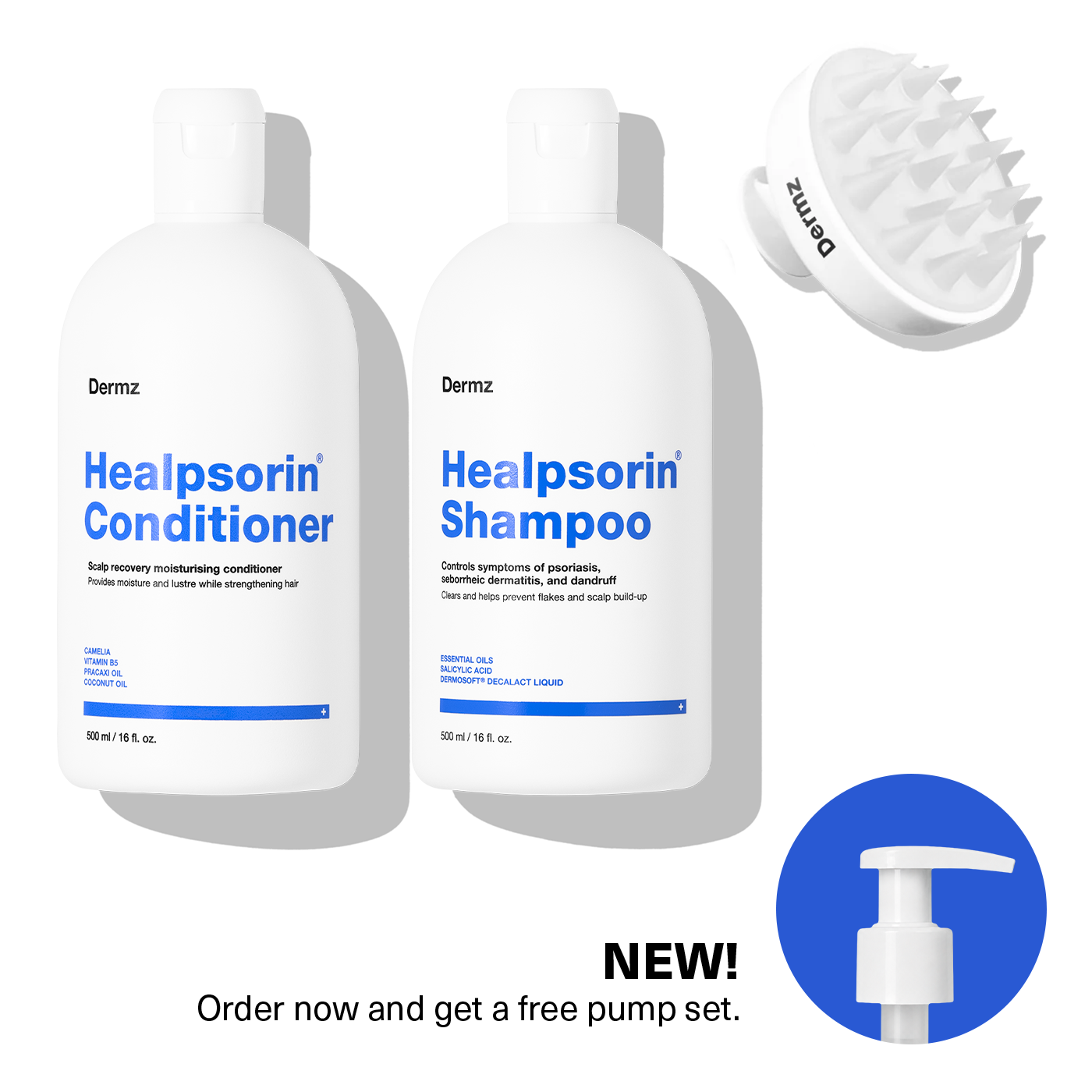
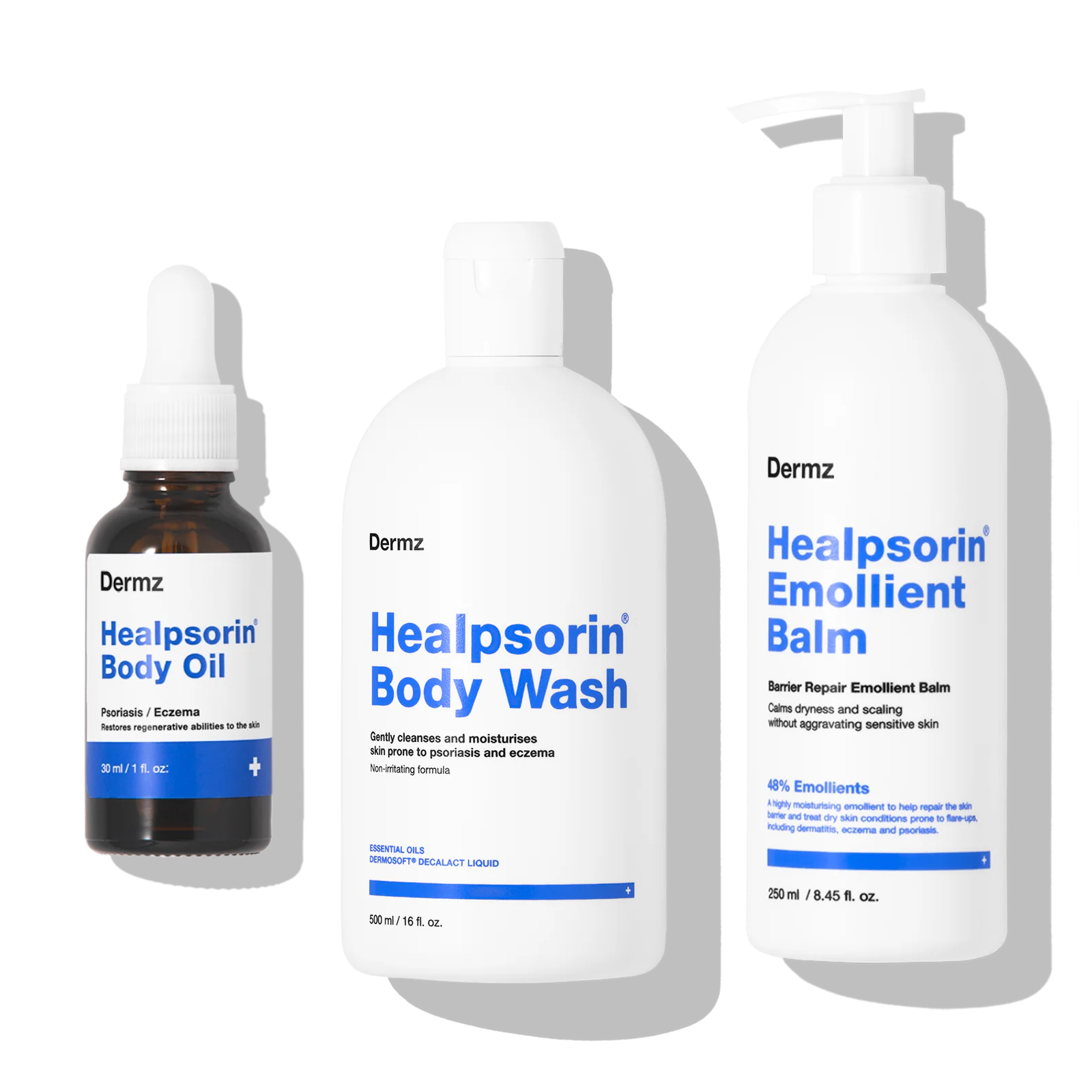
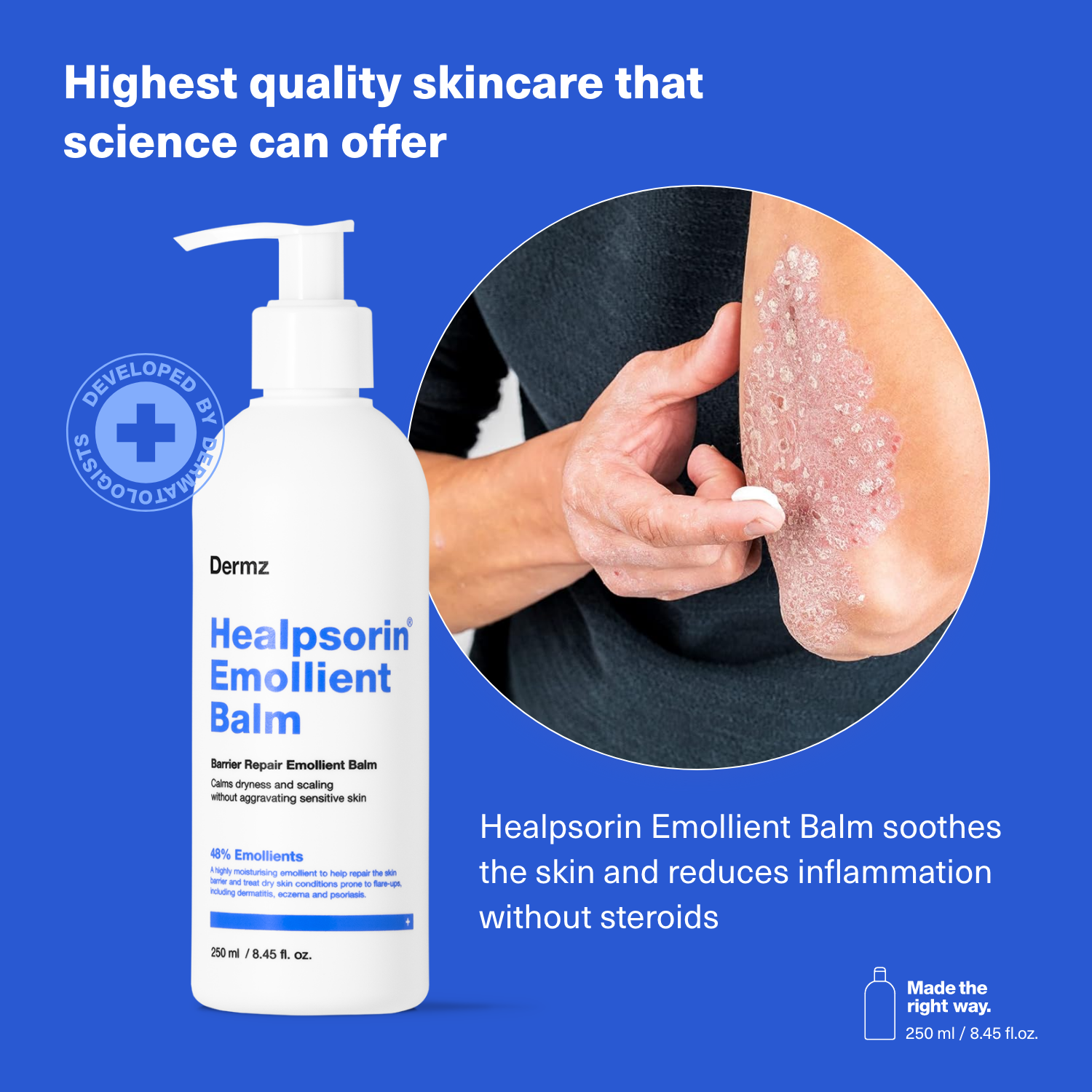
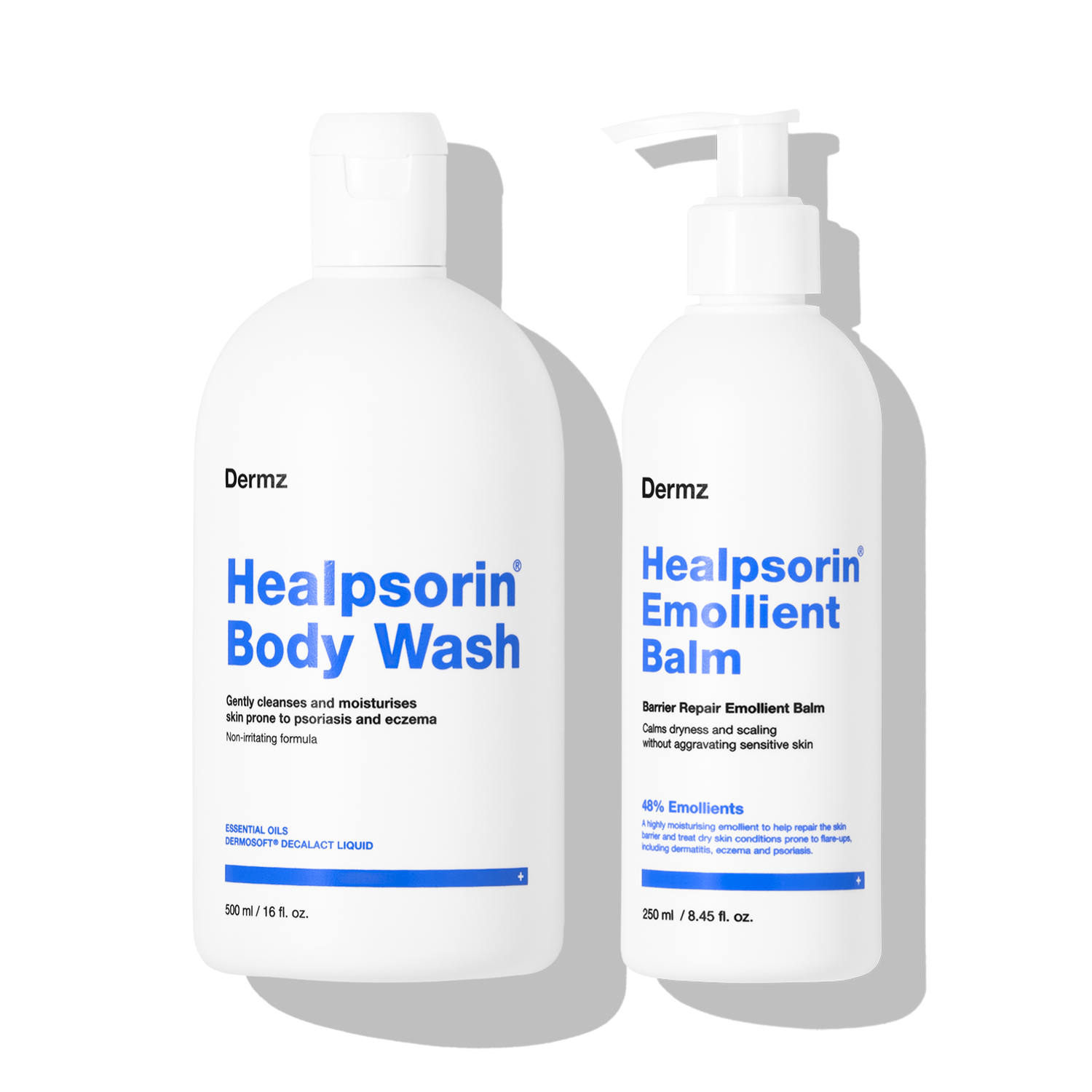
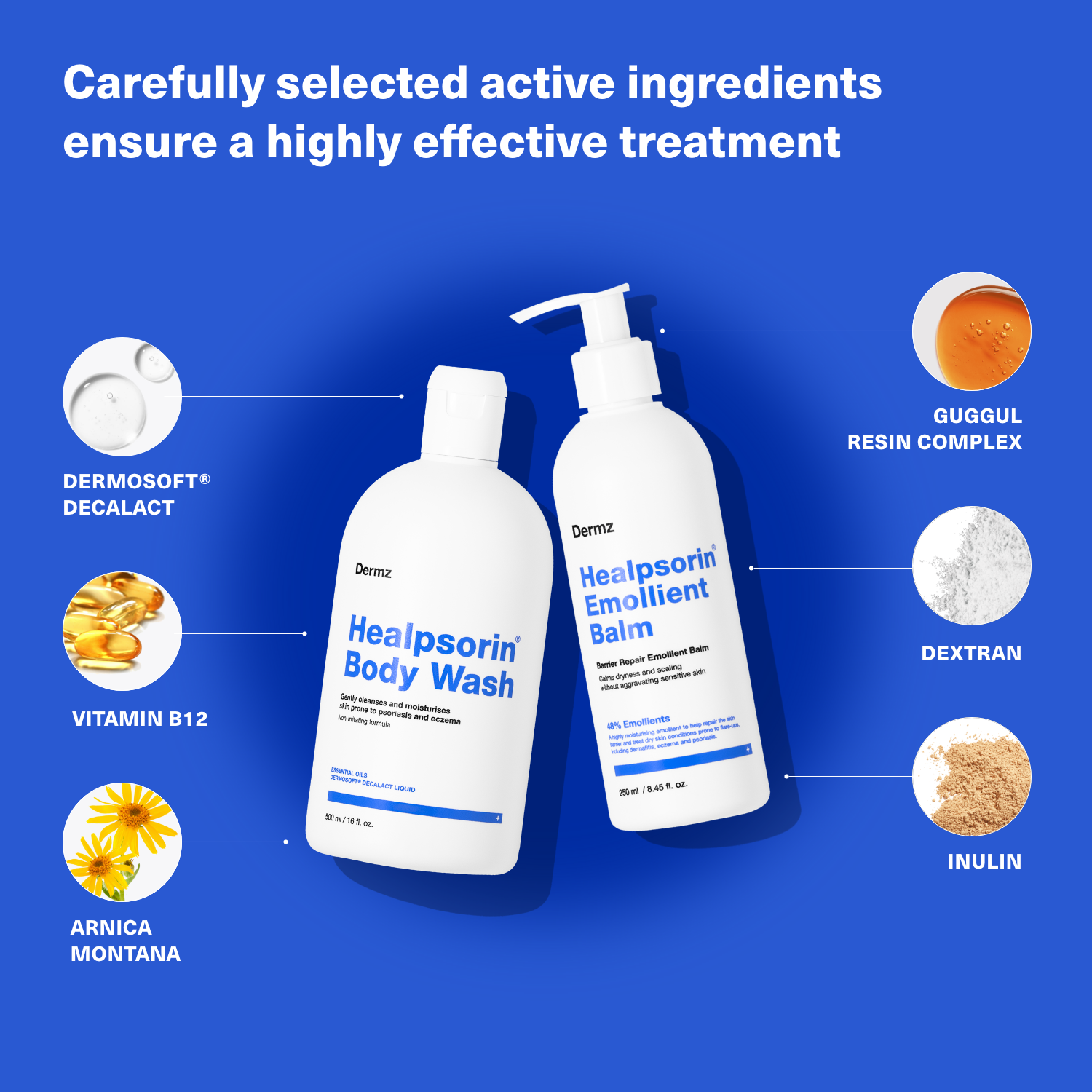
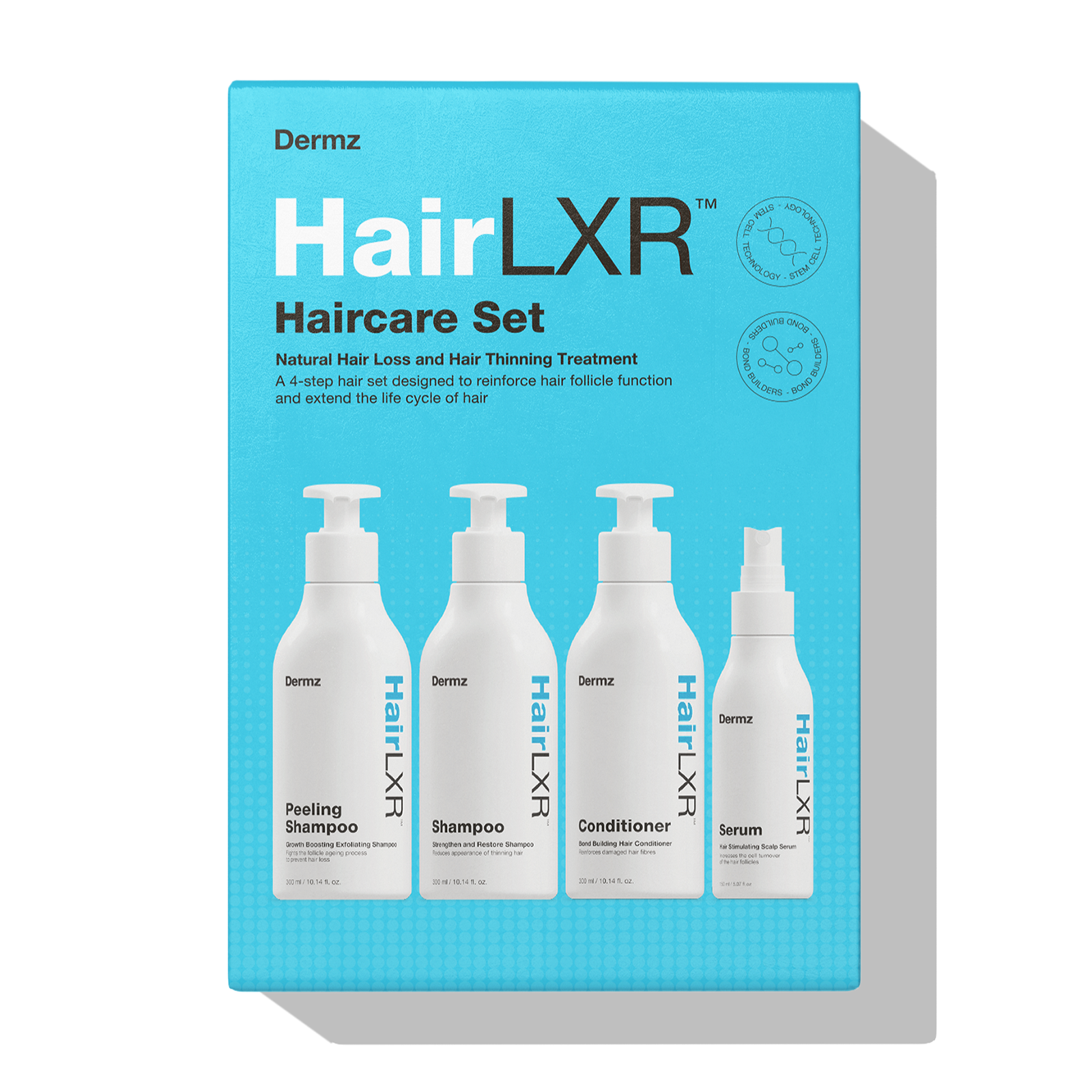
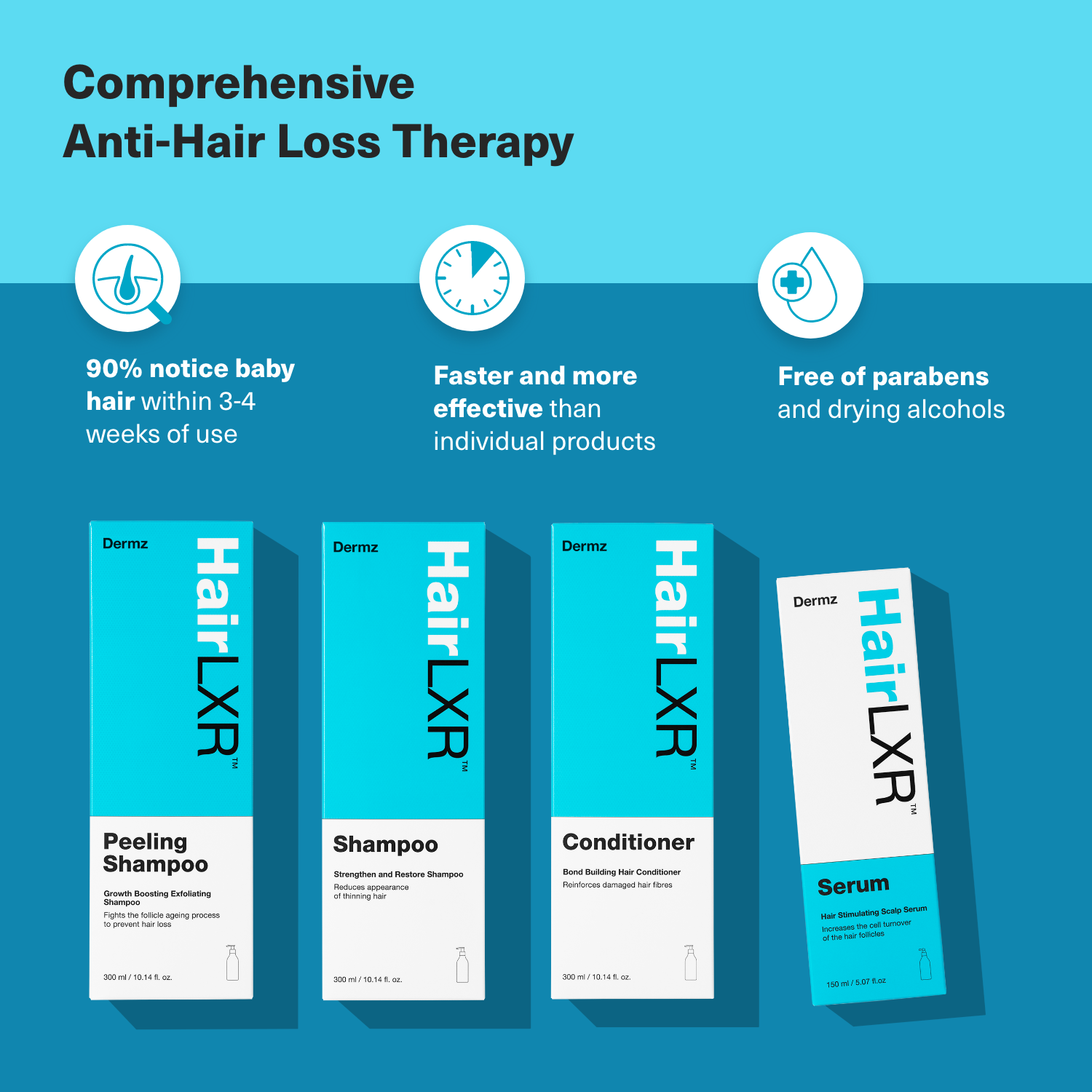
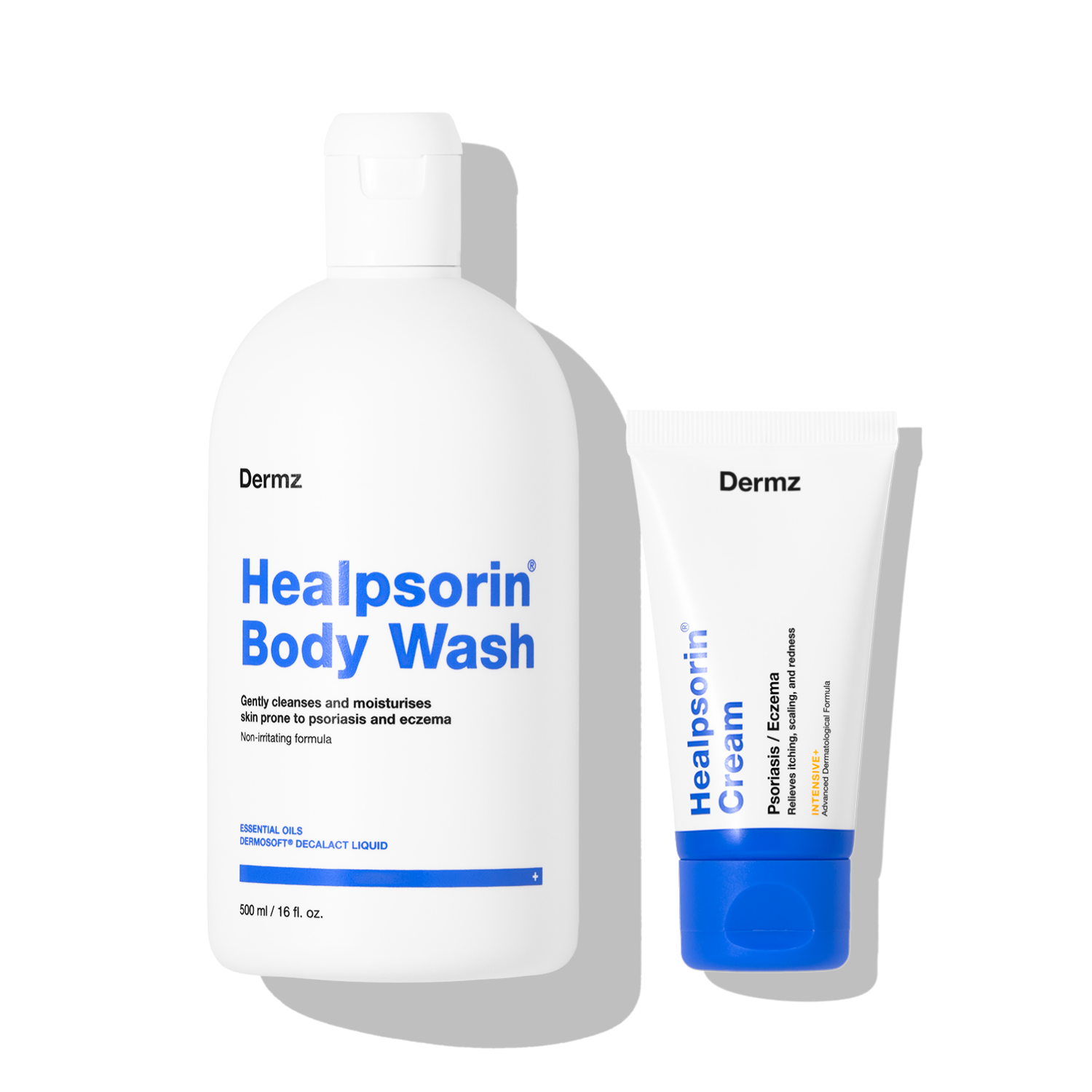
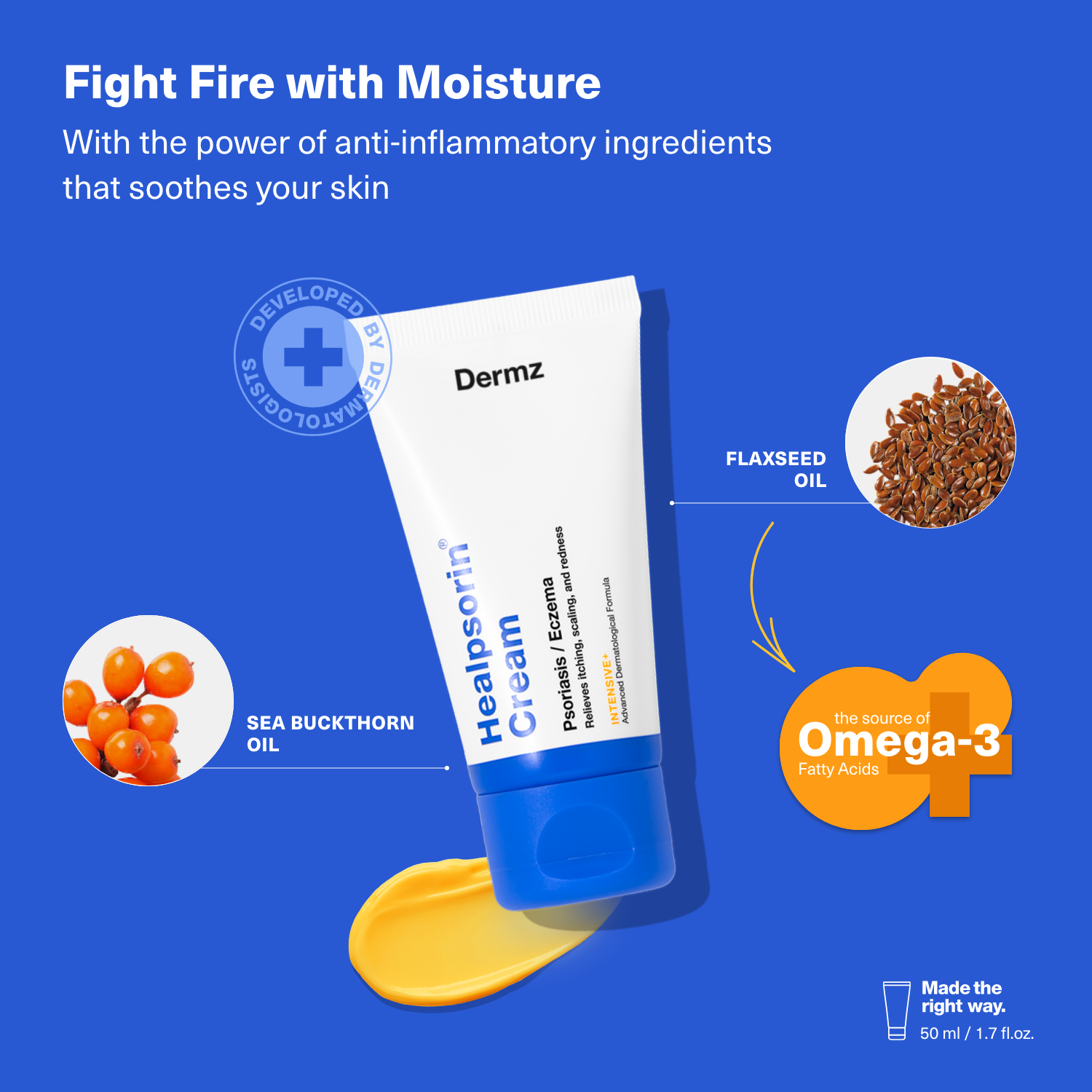
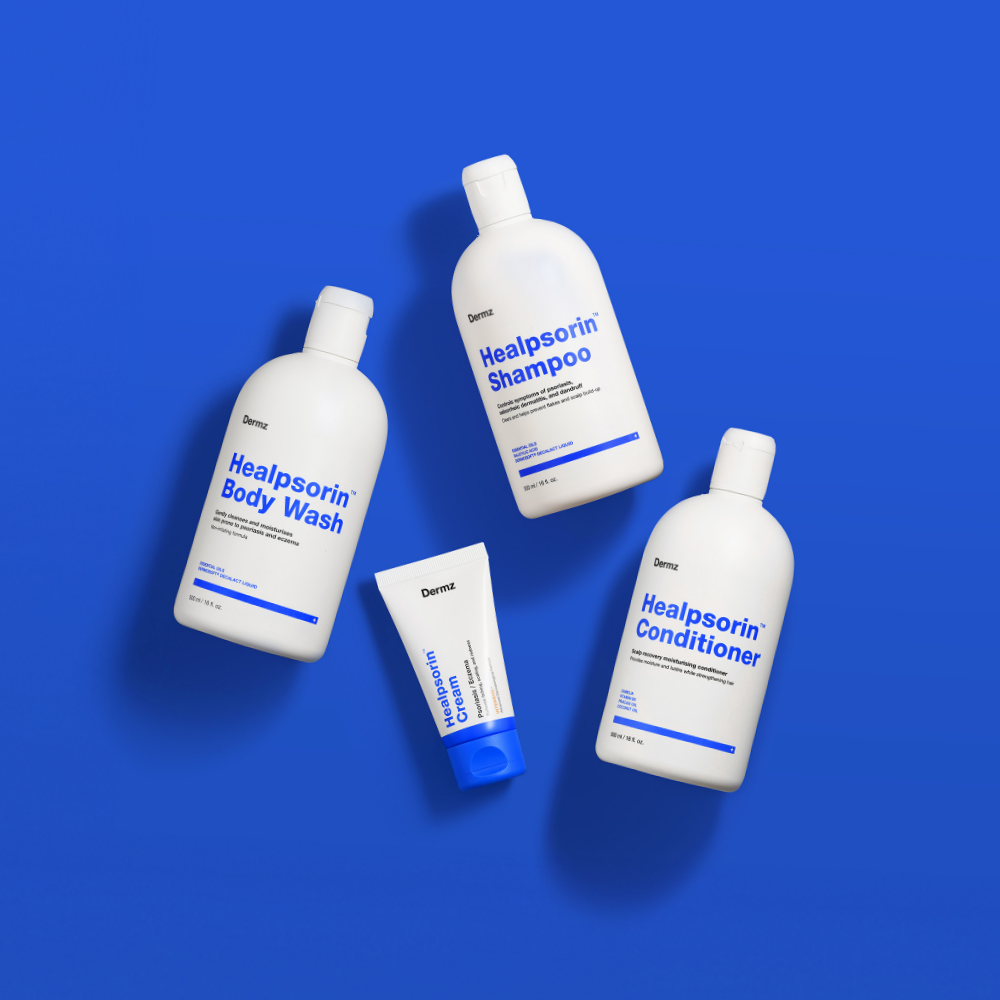
For individuals with scalp barrier damage, management differs slightly. The scalp has a high density of sebaceous glands and supports a unique microbiome. Long-standing dandruff or seborrhoeic dermatitis cannot be treated by vigorously scrubbing or by washing the hair frequently with an astringent shampoo, as this will exacerbate the inflammation. There are formulations like the Dermz Laboratories dandruff series that are able to help treat the precipitating factors, offer an effective barrier functionality, and provide support to the interiors of the scalp using a whole skin care formulation.
Hyaluronic Acid and Other Key Ingredients for a Broken Skin Barrier
Choosing the right ingredients can make repair faster and more comfortable, while the wrong ones can undo progress even in a simplified routine. A handful of ingredients consistently show up as the backbone of an effective barrier repair strategy, and understanding what each one actually does can help you evaluate products more confidently.
-
Hyaluronic acid works as a humectant, meaning it draws moisture from the environment or from deeper layers of skin into the surface layers where it's needed most. Hydrating skincare such as serums built around hyaluronic acid can meaningfully enhance moisture levels in a damaged skin barrier, plumping the skin and making it feel more comfortable almost immediately after application. It's most effective when applied to slightly damp skin and sealed in with a moisturizer, since it needs a nearby source of water to draw from; in very dry environments, applying it to bone-dry skin can occasionally pull moisture from deeper skin layers instead, which is why the sealing step matters.
-
Ceramides play perhaps the most direct role in barrier repair of any ingredient category. These lipids are naturally occurring components of the skin's own protective structure, and applying them topically helps supply the skin with the raw materials it needs to rebuild that structure. In practical terms, ceramides help a healthy skin barrier stay resilient over time, not just during an active repair period, which is why so many long-term maintenance routines continue to include them well after the initial damage has healed. Formulas that combine ceramides with cholesterol and fatty acids in a ratio similar to what's naturally found in skin tend to be particularly effective, since this mirrors the barrier's own composition.
-
Fatty acids also play a supporting role in barrier function. Linoleic acid, in particular, is a well-studied example, and it works alongside ceramides as one of the nutrients that support repair at a structural level. Skin that's deficient in linoleic acid tends to have a weaker, more permeable barrier, which is part of why fatty-acid-rich oils and moisturizers, such as those containing sunflower or safflower oil, are often recommended for chronically dry or reactive skin.
-
Niacinamide offers a slightly different kind of support. Beyond its well-known brightening and pore-refining reputation, niacinamide has real benefits for barrier recovery specifically, helping to strengthen the skin's structure and reduce moisture loss over time. It's generally well tolerated even by sensitive or compromised skin, though as with any active, it's worth introducing gradually and at a lower concentration during the early stages of recovery.
-
Panthenol, a form of vitamin B5, rounds out the list with its soothing and healing properties. It's particularly useful during the more uncomfortable early stages of barrier repair, when skin may be stinging, tight, or visibly inflamed, since it helps calm that reactivity while also supporting the skin's natural repair processes underneath. It's commonly found alongside ceramides and hyaluronic acid in dedicated barrier-repair moisturizers, making it easy to get all three in a single, simplified step.
Beyond this core group, ingredients like squalane, shea butter, and colloidal oatmeal are also worth knowing about, since they offer additional occlusive or soothing benefits without the irritation risk that comes with stronger actives. Squalane in particular mimics the skin's own natural oils closely enough that it's rarely a source of irritation, even in skin that's reacting to almost everything else.
Preventing Future Barrier Damage
Repairing a damaged barrier is only half the equation. Once skin feels stable again, a few consistent habits can go a long way toward keeping it that way, and building these habits into a routine is generally far easier than repeating the repair process every few months.
One of the most useful habits is the slow introduction of potent actives. Rather than adding a new acid, retinoid, or exfoliating treatment all at once, introduce it gradually, starting with a lower frequency, such as once or twice a week, and building up as the skin shows it can tolerate it without irritation. At the same time, it helps to actively avoid bad stuff in products, like harsh irritants, drying alcohols, and unnecessary fragrance, while also making a conscious effort not to overuse strong actives, even ones that have worked well in the past. Skin tolerance can shift over time due to weather, hormones, stress, or simply cumulative product use, so what worked for months can suddenly become too much, and it's worth staying attentive to those shifts rather than assuming past tolerance guarantees future tolerance.
Consistent daily SPF use remains one of the single best long-term investments in barrier health. Since UV exposure is one of the most persistent external stressors on the skin, keeping this habit steady, rain or shine, indoors or out, helps prevent the slow erosion that leads to barrier issues in the first place. This is worth treating as a non-negotiable step rather than something reserved for sunny days or beach trips, since UV exposure through windows and on overcast days adds up over time.
Finally, it's worth continuing to avoid very hot water on the face and body, even once the skin feels fully recovered. Hot showers and hot water cleansing feel good in the moment, but they consistently strip natural oils over time, making the barrier more susceptible to future damage. Lukewarm water is a small adjustment that pays off considerably over months and years of consistent skincare, and it's a habit worth extending to hand washing as well, particularly for anyone who washes their hands frequently throughout the day.
It's also worth paying attention to your broader environment. A humidifier can help offset the drying effects of indoor heating or air conditioning, particularly during colder months, and can make a noticeable difference for skin that tends to flare up seasonally. Diet and hydration play a supporting role too; while no single food or drink will single-handedly protect the barrier, a generally balanced diet with adequate healthy fats and water intake supports the skin's overall resilience alongside a good topical routine.
When to See a Professional for a Compromised Skin Barrier
Most cases of barrier damage respond well to the kind of simplified, hydration-focused routine described above. That said, there are situations where at-home care isn't enough, and getting professional input sooner rather than later can prevent things from getting worse.
Severe cracking, bleeding, or intense pain are clear red flags that shouldn't be managed with over-the-counter products alone. When skin has broken down to this degree, there's also a higher risk of infection, and a dermatologist can offer treatment options that go beyond what a typical skincare routine can provide, including prescription-strength repair creams or, in some cases, a short course of oral medication if infection has set in.
It's also worth seeing a dermatologist for persistent inflammation that doesn't improve with a simplified routine after a couple of weeks. Ongoing symptoms may affect overall skin health in ways that go beyond the surface, and a professional assessment can help rule out or confirm underlying conditions that might be driving the irritation, such as an undiagnosed allergy, contact dermatitis from a specific ingredient, or an underlying inflammatory skin condition.
In cases where eczema or dermatitis doesn't respond to gentle, consistent home care, prescription treatment may be necessary. Topical steroids, calcineurin inhibitors, and other prescription options can address inflammation more directly than over-the-counter ingredients, and a dermatologist can tailor a plan based on the specific condition and its severity, along with guidance on how to taper off prescription treatments once the flare has calmed down. Self-diagnosing and self-treating a condition like eczema or rosacea with only over-the-counter products can sometimes delay a more effective, targeted treatment plan, so it's generally worth getting a professional opinion if symptoms are recurring or particularly stubborn.
Timeline: How Long to Heal a Broken Skin Barrier
One of the most common questions about barrier repair is also one of the hardest to answer precisely, because healing timeframes vary from weeks to months depending on the severity of the damage, the person's overall skin health, and how consistently the repair routine is followed. Mild cases, caught early and addressed with a simplified routine, may show noticeable improvement within a week or two. More significant damage, especially the kind that's built up over months of over-exfoliation or harsh product use, can take considerably longer to fully resolve, sometimes stretching into a couple of months of consistent care before the skin feels fully back to its baseline.
Because of this variability, it helps to track progress and adjust routines after a few weeks rather than expecting immediate results or making frequent changes based on day-to-day fluctuations. Taking photos every week or two, in similar lighting and at the same time of day, can make subtle improvements easier to spot than relying on memory alone, since day-to-day changes can be hard to judge accurately just by looking in the mirror each morning. If there's been no improvement at all after several weeks of a consistent, simplified routine, that's usually the point to consider bringing in a dermatologist rather than continuing to wait it out, since prolonged, unresolved irritation is worth a second opinion rather than indefinite patience.
Example Gentle Routine for Damaged Skin
Having a clear, simple routine to follow can take a lot of the guesswork out of barrier repair. Here's a straightforward version that reflects the principles above, and it's designed to be simple enough to stick with every single day without feeling overwhelming.
Morning:
-
Cleanse gently with lukewarm water, using a soft, non-foaming cleanser or, if skin is very reactive, water alone.
-
Apply a hydrating hyaluronic acid serum to slightly damp skin, giving it a moment to absorb before moving on to the next step.
-
Moisturize with a ceramide-rich cream to help lock in that moisture and begin reinforcing the barrier from the surface down.
-
Finish with broad-spectrum SPF, applied generously and reapplied throughout the day if you're spending extended time outdoors.
Evening:
-
Cleanse gently once more, following the same lukewarm-water approach used in the morning, to remove the day's buildup without stripping the skin further.
-
Apply a soothing moisturizer to calm the skin before bed, allowing it to work overnight while the skin's natural repair processes are most active.
-
If there are severely dry patches, particularly around the nose, mouth, or hands, a targeted ointment can be applied directly to those areas for extra reinforcement overnight, since these spots often need more support than the rest of the face.
-
Keep the overall routine gentle across any dry or flaky areas until the barrier feels noticeably less sensitive to the touch, resisting the urge to reintroduce actives before the skin is genuinely ready.
Frequently Asked Questions
-
Can makeup make barrier damage worse?
It can, particularly if the formulas involved are heavy, long-wearing, or contain drying alcohols and fragrance. During active recovery, it's worth switching to lighter, mineral-based makeup where possible, and making sure it's fully removed each evening with a gentle cleanser rather than harsh wipes, which can drag and irritate already-fragile skin.
-
Is it normal for skin to look worse before it improves?
Some mild fluctuation is normal, especially in the first several days after stopping a problematic product, since the skin is adjusting to a new routine. However, this should be a gradual settling rather than an ongoing worsening. If symptoms are clearly escalating rather than leveling off after a week or so, that's a sign to reassess the routine or seek professional advice rather than waiting it out.
-
Do oily or acne-prone skin types need to worry about barrier damage?
Yes. It's a common misconception that oily or acne-prone skin doesn't need the same level of barrier care, but a compromised barrier can affect any skin type. In fact, oily skin that's been over-treated with strong acne actives is a particularly common setup for barrier damage, since many acne treatments are inherently drying. Choosing oil-free, non-comedogenic moisturizers that still contain ceramides can help this skin type recover without contributing to congestion.
-
Can barrier damage affect areas other than the face?
Yes. Hands, which are washed frequently and exposed to weather, cleaning products, and hand sanitizer, are especially prone to barrier damage. The same principles apply here: simplify, moisturize with a ceramide-rich formula, and protect from further stripping until the skin recovers. Body skin, particularly on the arms and legs during colder months, can show the same pattern of dryness, flaking, and sensitivity as facial skin.
-
Should cleansing be skipped altogether if the barrier is damaged?
No. Skipping cleansing entirely allows buildup of oil, sweat, and product residue, which can create its own problems, including breakouts and irritation from accumulated debris. The goal isn't to avoid cleansing, but to make it as gentle as possible, using lukewarm water and a mild, non-foaming formula rather than skipping the step altogether.
Bringing It All Together
Repairing a damaged skin barrier isn't about finding one miracle product. It's about removing what's causing harm, giving the skin the basic building blocks it needs to repair itself, and staying patient while that process plays out. Simplifying a routine can feel like a step backward when you're used to a full lineup of products, but for skin that's under strain, less really is more. Once the barrier is restored, the same habits that helped it heal, gentle cleansing, consistent SPF, and a measured approach to actives, are exactly what keep it strong for the long run.
Skin that's been through a period of barrier damage and recovery often comes out the other side with a clearer sense of what it can and can't tolerate, which makes the next stretch of skincare choices considerably easier to get right. Pay attention to how your skin responds as you slowly bring products back into rotation, keep sun protection non-negotiable, and treat any future signs of tightness, redness, or sensitivity as an early signal to pull back rather than push through. A little vigilance now tends to save a lot of frustration later, and the habits that support a healthy barrier are, for the most part, simple ones that fit easily into an everyday routine once they become second nature.