
Just when your child's eczema seems to be settling, another itchy night begins. For many families, that cycle is familiar. Atopic eczema affects around one in five children in the UK. Atopic eczema in children is a long-term, non-contagious inflammatory skin condition, but treatment and daily care can make it much easier to manage. This guide explains how to recognise eczema, understand its causes, care for their skin and know when to seek medical advice.
What is atopic eczema in children?
Atopic eczema in children, also known as atopic dermatitis, is a chronic inflammatory condition characterised by itching, an impaired skin barrier and recurring flare-ups.
Filaggrin helps the outer skin layer retain moisture. Reduced filaggrin function can lower natural moisturising factors, increase transepidermal water loss (TEWL) and lead to dry skin. A less effective barrier also leaves the skin more vulnerable to irritants, allergens and microorganisms, while inflammatory responses involving the immune system contribute to itching and visible atopic eczema. Atopic eczema is not contagious or caused by poor hygiene.
Atopic eczema in children is associated with asthma and hay fever (allergic rhinitis), although not every child develops these conditions.
What does eczema in children look like at different ages?
Eczema in children changes location in 3 age stages: infants, toddlers and older children.
-
Infants (0–12 months): Atopic eczema commonly affects the cheeks, forehead, scalp and trunk, sometimes with weeping.
-
Toddlers: Atopic eczema often affects the wrists and the outer surfaces of the elbows and knees.
-
Older children: The skin creases at the elbows and knees, plus the neck, eyelids and hands, are common sites.
These are typical patterns, not fixed rules. On white skin, inflammation often looks pink or red; on brown or black skin, it can appear grey, purple or darker than surrounding skin. Children with darker skin may also develop bumps around hair follicles and changes in pigmentation after inflammation. Repeated scratching can cause thickened skin.
Other skin conditions include contact dermatitis, discoid eczema (circular patches) and pompholyx (itchy blisters on hands and feet). Varicose eczema, linked to poor circulation, is mainly seen in adults.
How is eczema diagnosed in children?
Atopic eczema is diagnosed clinically by a GP or another trained healthcare professional; routine laboratory tests are not needed.
Under NICE criteria, an itchy skin condition must be accompanied by at least three features: current or previous dermatitis in characteristic areas, dry skin during the previous year, asthma or allergic rhinitis (or relevant family history in children under four), or onset before age two. Age-specific rules apply: cheek or outer-limb eczema counts in children aged 18 months or under, and onset before two is not used as a criterion in children under four.
Healthcare professionals assess the severity of atopic eczema as mild atopic eczema (dryness and infrequent itching), moderate (frequent itching and inflammation), or severe atopic eczema (widespread dryness, incessant itching and substantial inflammation). They also assess sleep and quality of life separately, because the child's eczema can affect daily life even when patches seem small. Allergy testing is reserved for a specific clinical suspicion, rather than routinely requested for mild disease.
How does eczema affect a child's quality of life?
Eczema affects a child's quality of life in 4 areas: sleep, concentration, mood and social confidence.
-
Sleep: Night-time itching disrupts the child's sleep and often the parents' sleep too.
-
Concentration: Tiredness and discomfort can interfere with learning at nursery or school.
-
Mood: Repeated flare-ups may cause irritability, frustration or anxiety.
-
Social confidence: Visible patches may attract unwanted attention, embarrassment or bullying.
The demands of caring for atopic eczema can affect the whole family. Children with eczema need support that considers these wider effects. Healthcare professionals should therefore consider emotional wellbeing and everyday functioning, even when visible eczema seems relatively mild.
What causes eczema in children and what triggers flare ups?
Eczema in children has 1 underlying cause – an inherited weak skin barrier – and 5 groups of triggers that make eczema worse.
In practice, the condition is more complex: genetic susceptibility, barrier dysfunction and immune inflammation interact. The five broad trigger groups are irritants, airborne allergens, heat and sweat, infections, and stress. These factors can trigger eczema flare-ups or worsen eczema already present, but they are not equally important for every child. Identifying individual triggers is more useful than avoiding everything that might make eczema worse.
Genetics, a weak skin barrier and the atopic march
Genetic susceptibility and abnormalities in the skin barrier contribute to the development of atopic eczema, alongside changes in immune function.
One of the best-studied genetic factors involves the FLG gene, which provides instructions for producing filaggrin. Certain variants reduce the skin's ability to maintain an effective protective barrier, increasing susceptibility to eczema. However, not all children with eczema carry these variants. The condition involves several interacting biological and environmental factors rather than a single inherited defect.
A family history of eczema, asthma or hay fever also increases the likelihood of developing atopic eczema. The relationship between eczema and other allergic conditions is sometimes described as the atopic march. In some children, eczema develops before food allergy, asthma or allergic rhinitis. This progression is not inevitable. Many children with eczema never develop additional allergic conditions.
For parents, the practical priority is consistent skin barrier care and prompt treatment of inflammation. Daily emollients are essential for managing existing eczema, although applying moisturisers to otherwise healthy infants has not been shown to reliably prevent eczema from developing.
Common triggers: irritants, house dust mite, heat and infections
Five groups of triggers can make eczema flare-ups more troublesome:
-
Irritants: Soap, fragranced shower gels, bubble bath, detergents, wool and sometimes chlorinated pool water.
-
Airborne allergens: House dust mite, pollen and pet dander, particularly in children with proven sensitisation.
-
Heat and sweat: Overheating, hot baths, sweating and uncomfortable synthetic bedding.
-
Infections: Viral illnesses and bacterial infection; Staphylococcus aureus can colonise eczema skin without causing clinical infection.
-
Stress and discomfort: Emotional stress can intensify scratching. Teething may coincide with symptoms but is not a proven direct cause.
In winter, central heating and dry indoor air can increase skin dryness and make atopic eczema more troublesome. Keep a record of recurring triggers rather than making broad changes without evidence.
Does food allergy cause eczema in children?
No – food allergy does not cause eczema in most children, but it can trigger flare-ups in a minority, particularly infants with moderate-to-severe eczema. Food allergy is more common among infants with moderate or severe eczema, but atopic eczema alone does not establish a food allergy. Consider a medical assessment when there is:
-
An immediate reaction after eating, such as hives, swelling or vomiting.
-
Poor eczema control despite appropriate skincare and prescribed treatment, especially with digestive symptoms or poor growth.
-
Severe eczema in infancy, which can justify an individual allergy assessment.
Cow's milk, egg and peanut are among the relevant allergens. An individual's eczema can worsen after a genuine food-allergy reaction, but this is not the usual cause of a flare. Never remove foods without medical or specialist dietary advice: unnecessary exclusions can cause nutritional problems and may affect food tolerance. If a child develops breathing difficulties, throat swelling or signs of anaphylaxis, call 999 immediately.
For formula-fed babies under six months whose moderate or severe eczema remains uncontrolled despite optimal emollients and mild topical corticosteroids, NICE recommends a medically supervised six- to eight-week trial of extensively hydrolysed or amino acid formula. This is not routine advice for every child with atopic eczema.
How to care for a child's skin with eczema every day?
Daily eczema care for a child rests on 3 steps: emollient at least twice a day, a short lukewarm bath with a soap substitute, and itch and sleep control.
Emollients are needed every day, including when atopic eczema is clear. They support the skin barrier but do not replace prescribed treatment for inflamed atopic eczema patches. Recognising an eczema flare early and following the agreed plan helps parents treat eczema before symptoms become more troublesome.
How to apply emollient to a child (and the 3 minute rule)
To apply emollient to a child correctly, follow 5 steps.
-
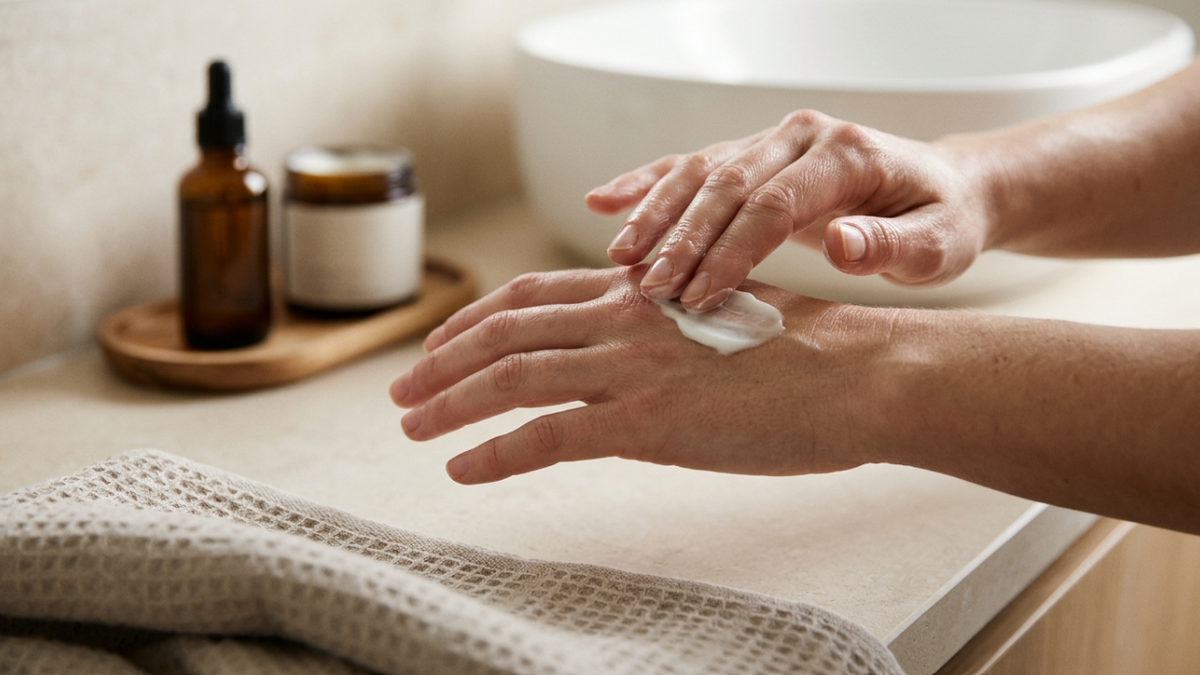
Apply at least twice daily and after every wash. Use emollients consistently, even when your child's eczema is clear. Reapply whenever the skin feels dry to maintain hydration and support the skin barrier.
-
Smooth downwards in the direction of hair growth. Spread the emollient gently rather than rubbing it into the skin. This reduces friction and helps avoid irritation around hair follicles, which can contribute to folliculitis.
-
Cover the whole body, not just visible eczema patches. Atopic eczema affects the skin's protective barrier beyond visibly inflamed areas. Regular moisturising helps reduce skin dryness and maintain moisture levels throughout the day.
-
Use at least 250 g per week, according to individual needs. NICE recommends prescribing 250–500 g of leave-on emollient weekly for children. Emollients should be applied more generously and more frequently than prescribed topical treatments.
-
Apply within 3 minutes of bathing. The three-minute rule for eczema means applying emollient promptly after gently patting the skin dry, while it is still slightly damp. This helps retain moisture in the outer layer of the skin and reduce transepidermal water loss (TEWL). The three-minute window is a practical guideline rather than a strict medical cut-off.
Choosing a suitable emollient is just as important as applying it correctly. Four factors are worth considering:
-
Composition: Look for moisturising and barrier-supporting ingredients such as ceramides, glycerin, squalane and suitable plant oils. Ceramides help replenish the skin's natural lipids, while emollient and occlusive ingredients reduce moisture loss. Paraffin-based products can also be effective, although they primarily work by forming a protective layer.
-
Absence of irritants: Choose unperfumed, steroid-free skincare suitable for sensitive skin. Avoid sodium lauryl sulphate (SLS) in leave-on products and any ingredients known to irritate your child's skin. Paraben-free formulations are available, although parabens are not inherently unsafe and do not need to be excluded without a specific reason.
-
Texture: Lighter creams are often convenient during the day, while richer balms and ointments can be particularly useful overnight or during colder weather when skin dryness tends to increase.
-
Safety: Suitable emollients can be used daily over long periods without causing steroid-related skin thinning or topical steroid withdrawal. However, individual ingredients can still cause irritation or contact allergy, so choose a formulation your child tolerates well.
For everyday steroid-free skincare, Dermz Laboratories' Healpsorin Baby Balm contains ceramides, panthenol, shea butter and sunflower seed oil. These ingredients help soften dry skin, maintain hydration and support the skin's natural protective barrier. The fragrance-free formulation is intended for delicate baby skin and can be used as part of a regular moisturising routine, provided it is well tolerated. It does not replace prescribed treatments for active eczema.
When using emollients alongside topical corticosteroids, apply one product at a time. Allow around 20–30 minutes between applications where practical, or follow the instructions given by your child's healthcare professional. NICE guidance specifically recommends waiting several minutes between topical products rather than requiring a fixed 30-minute interval.
How to bathe a child with eczema?
Bathing a child with atopic eczema involves 5 steps to cleanse the skin without worsening irritation.
-
Bathe daily or every other day for 5–10 minutes. Choose the routine your child tolerates; there is no proven benefit to bathing less often.
-
Keep water lukewarm, around 37°C. Avoid hot baths, particularly for babies.
-
Replace soap and bubble bath with an unperfumed soap substitute. Avoid harsh or fragranced cleansers.
-
Pat dry rather than rub. Use a soft towel and avoid friction.
-
Apply emollient within 3 minutes. Moisturise generously while the skin is still slightly damp.
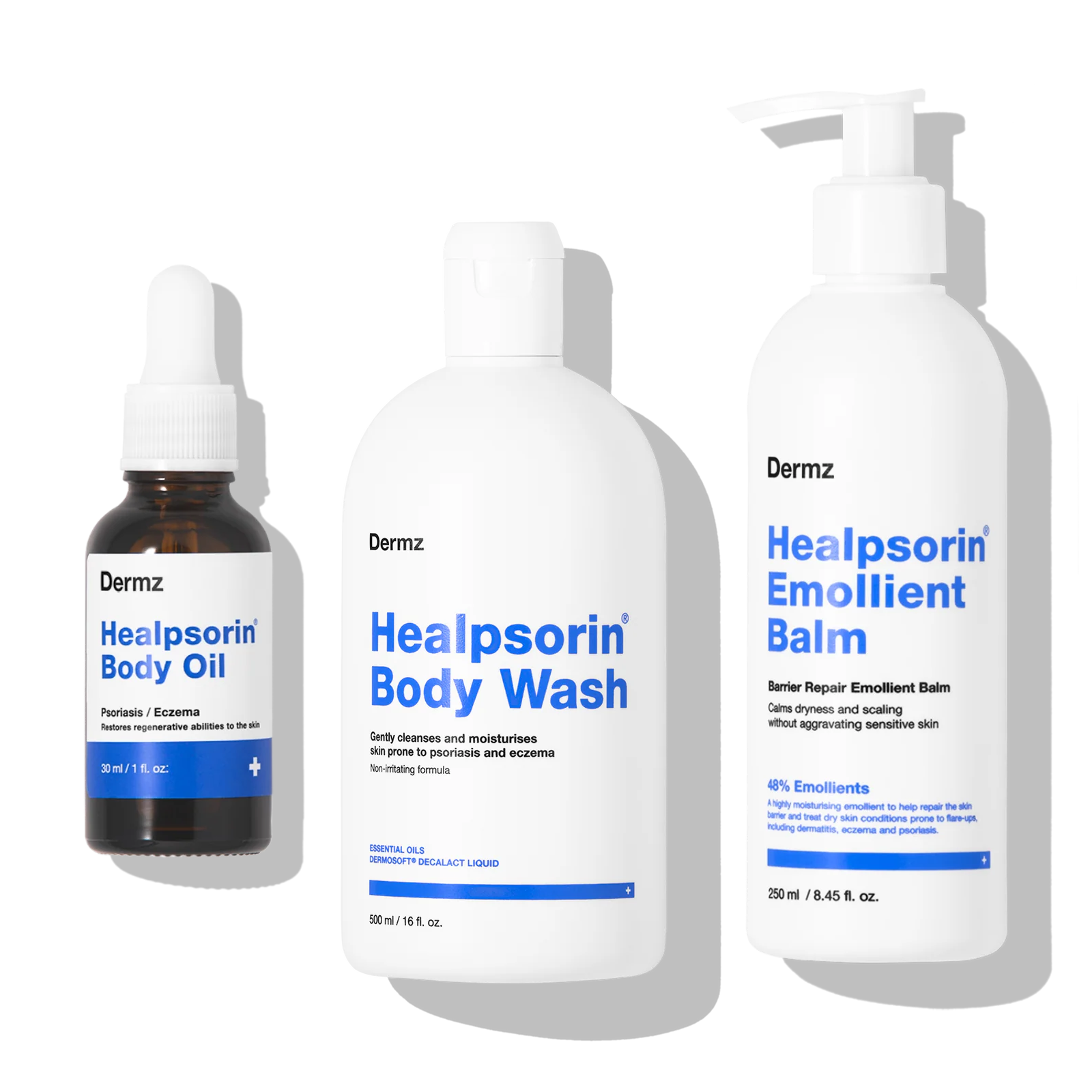
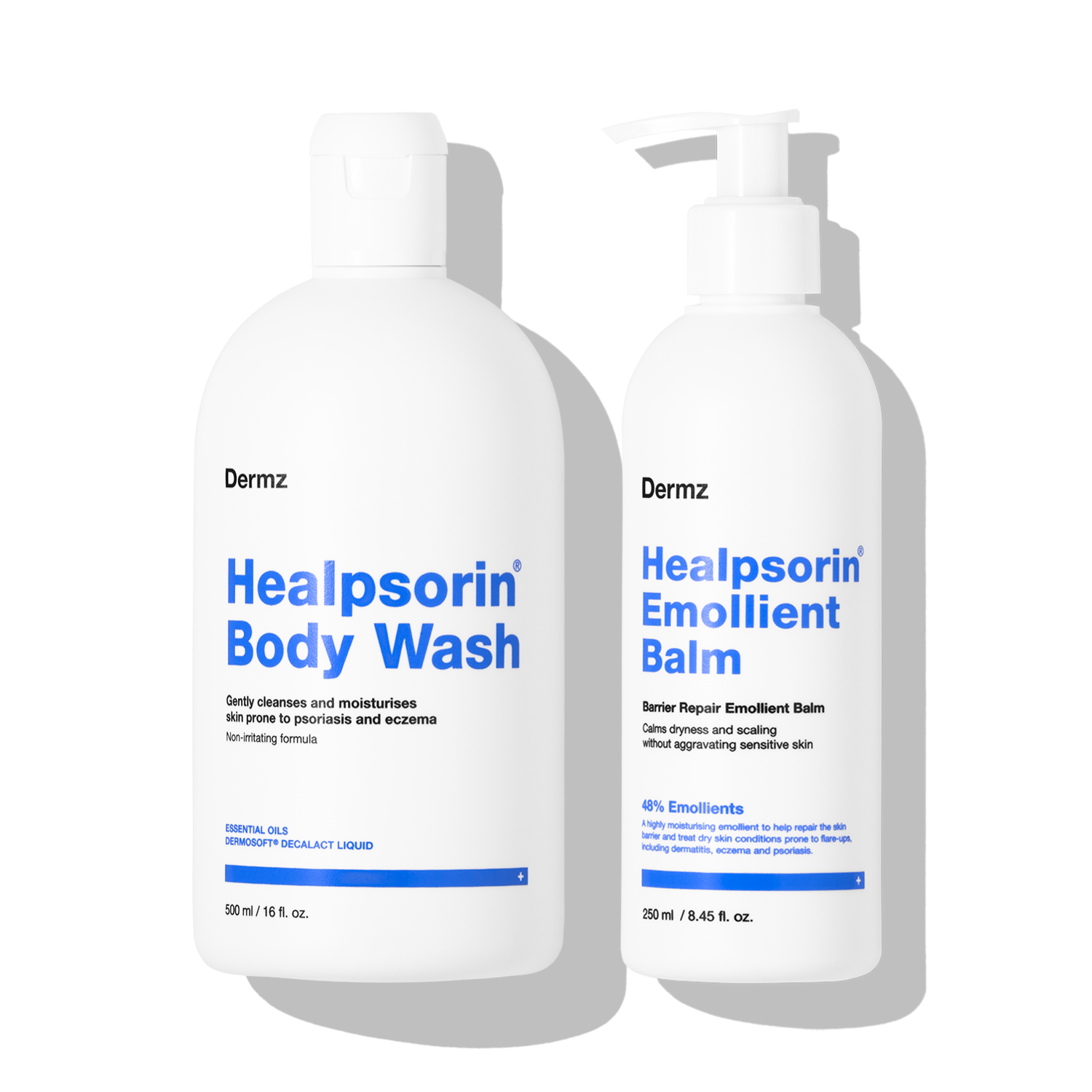
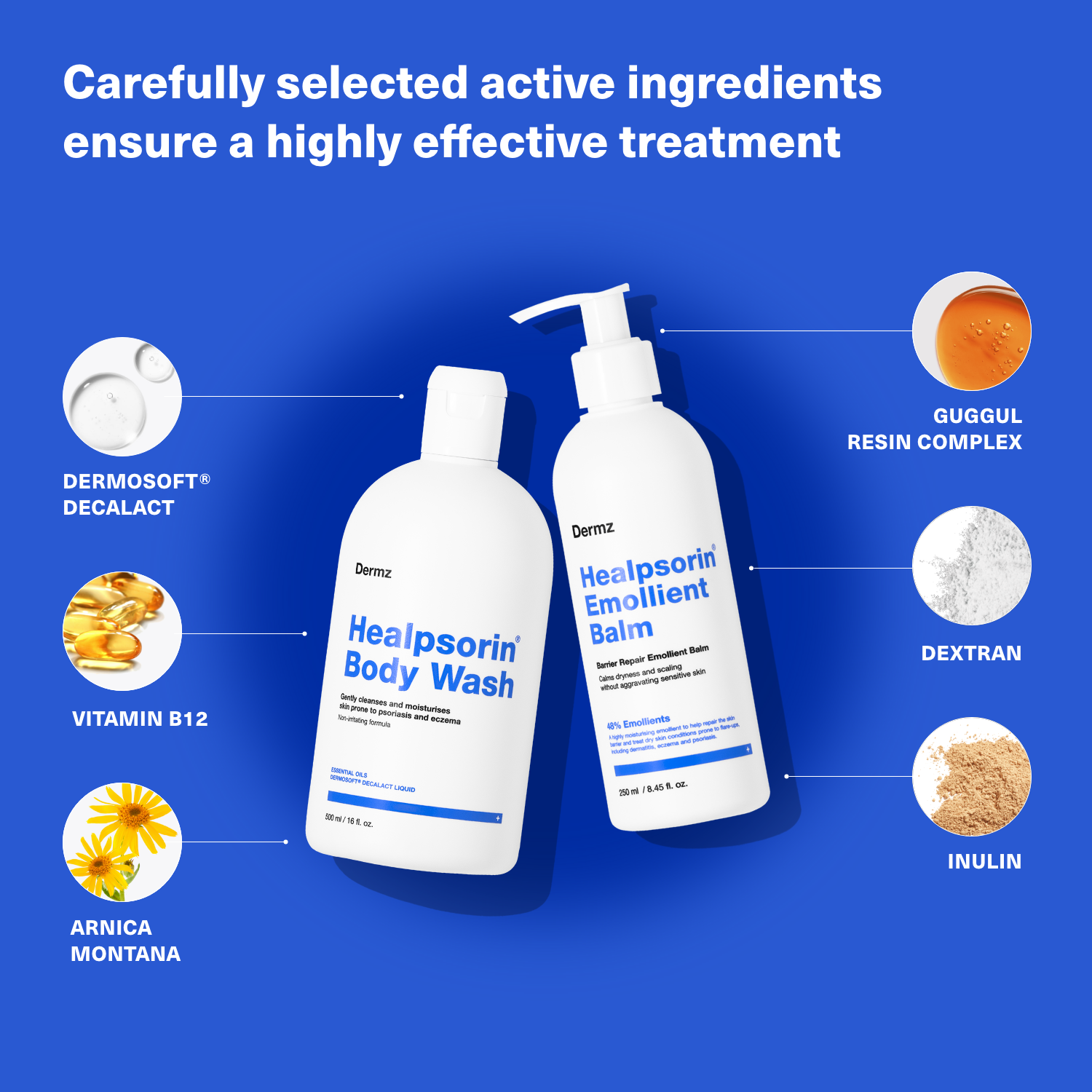
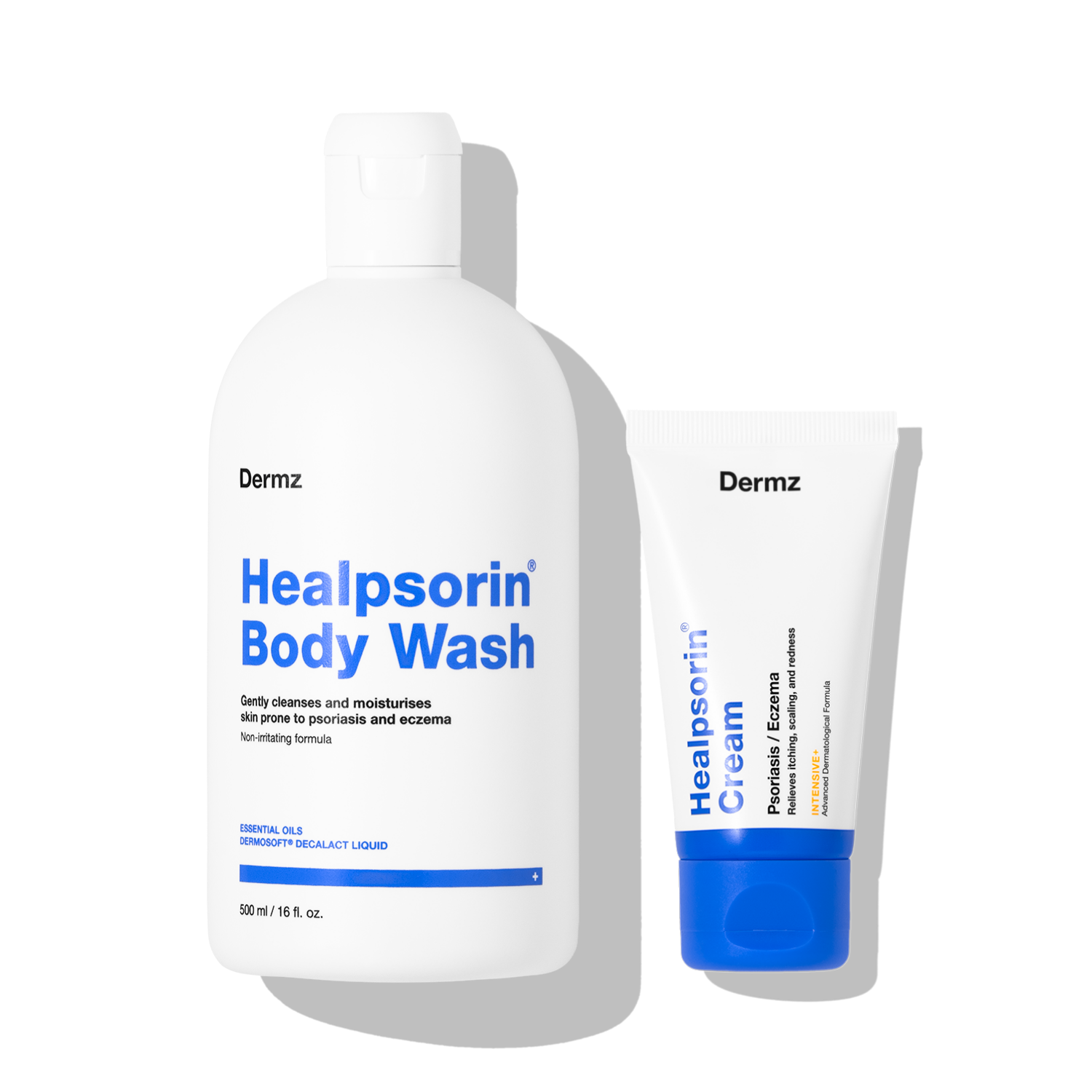
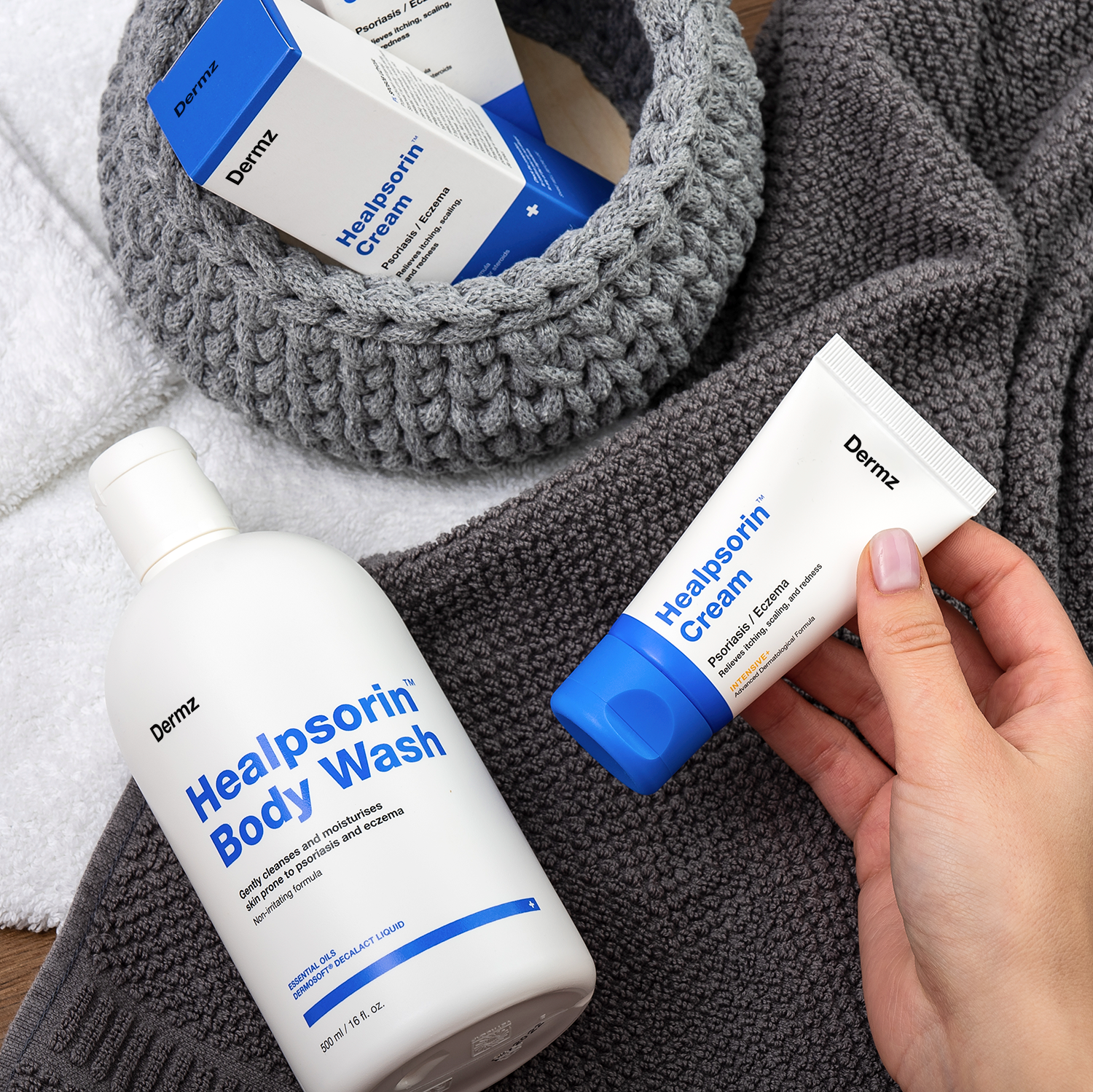
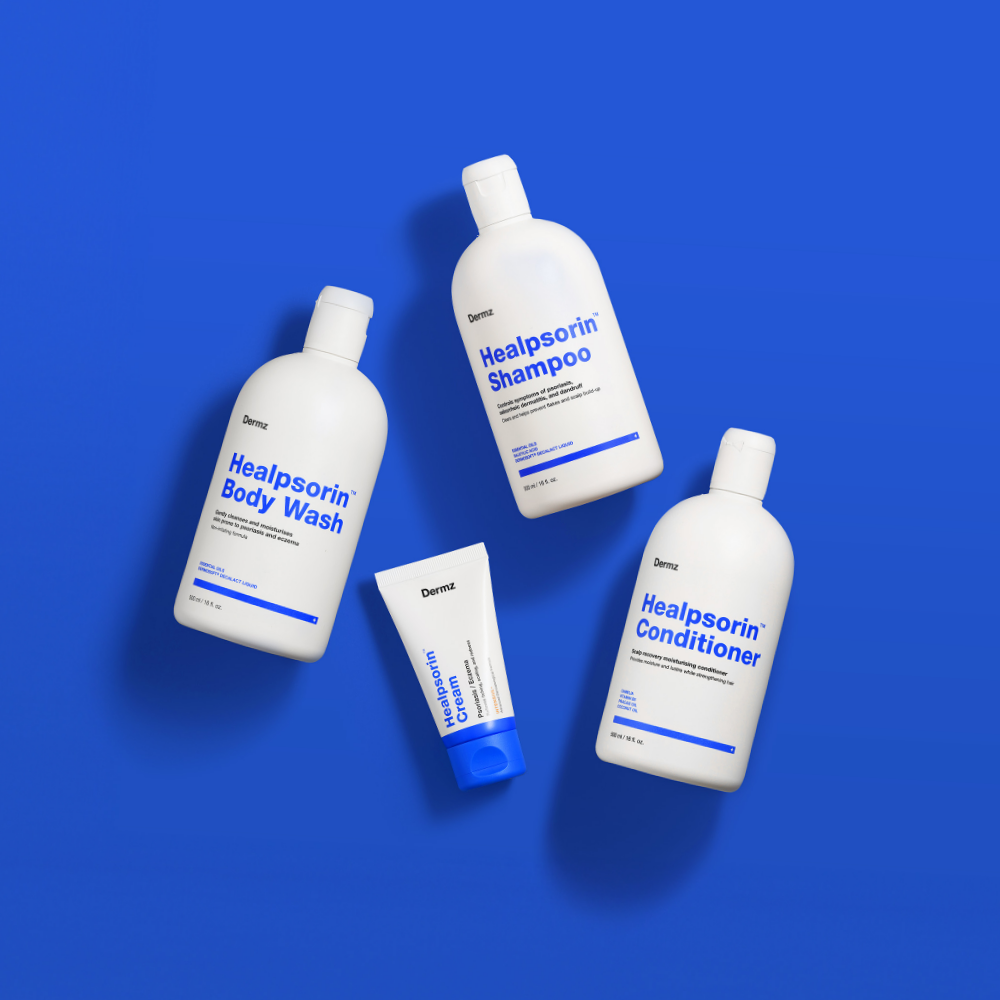
NICE advises against routinely offering specially formulated bath emollients as additives. Leave-on emollients and soap substitutes are more useful in routine eczema care. Healpsorin Body Wash is SLS-free, but its published ingredient list includes fragrance and essential oils; without confirmed paediatric suitability, an unperfumed soap substitute is a better first choice for children with eczema.
Bath products and bath emollients can make the bath slippery. Always supervise young children in water.
How to soothe itchy skin and protect sleep?
Itchy skin in a child with eczema responds to 6 measures.
-
Keep the bedroom cool. Avoid overheating; the recommended sleeping-room range for babies is 16–20°C.
-
Dress your child in soft cotton. Silk may be comfortable, but it has not been shown to improve eczema; avoid scratchy wool and irritating synthetics.
-
Keep nails short. Cotton scratch mittens may help some infants.
-
Apply a generous layer of emollient before bed. Use the prescribed topical steroid on active inflammation when advised.
-
Use cool compresses briefly on hot, itchy patches.
-
Wash new clothes and bedding using a tolerated, preferably unperfumed non-biological detergent; avoid fabric conditioner if it irritates the skin.
If itching still disrupts sleep, ask your GP to review treatment. Wet wraps can help selected children when advised by healthcare professionals trained in their use.
-
Morning: Apply prescribed treatment to active atopic eczema and moisturise.
-
After nursery or school: Reapply emollient to dry areas.
-
Bath time: Wash gently and moisturise promptly afterwards.
-
Bedtime: Check for flare symptoms, follow the treatment plan and protect sleep.
Are steroid creams safe for a child's skin?
Yes – steroid creams are safe for a child's skin when used in prescribed short courses, commonly around 7–14 days where appropriate, at the correct potency and on the affected areas.
Topical corticosteroids control inflammation during atopic eczema flare-ups; they are not a substitute for daily emollients. Mild topical corticosteroids, including hydrocortisone 1% (a mild steroid), are commonly used for mild atopic eczema and selected sensitive sites. A moderately potent topical steroid may be used on the trunk or limbs, while strong steroid creams require closer supervision. NICE generally advises mild potency for the face and neck, with narrowly defined exceptions.
One adult fingertip unit (FTU) is approximately 0.5 g, enough to cover roughly two adult handprints. Follow the amount and frequency of each topical steroid prescribed rather than applying too little. Prolonged inappropriate use of stronger steroid creams can cause skin thinning; topical steroid withdrawal reactions have been reported, mainly after extended frequent use of stronger preparations.
Three rules matter:
-
Short courses: Use steroid creams as directed; NICE recommends continuing flare treatment for about 48 hours after symptoms settle.
-
Emollient base: Continue daily moisturising during treatment and between flares.
-
Medical review: Ask for advice if a course is not working within 7–14 days or frequent repeat courses are needed.
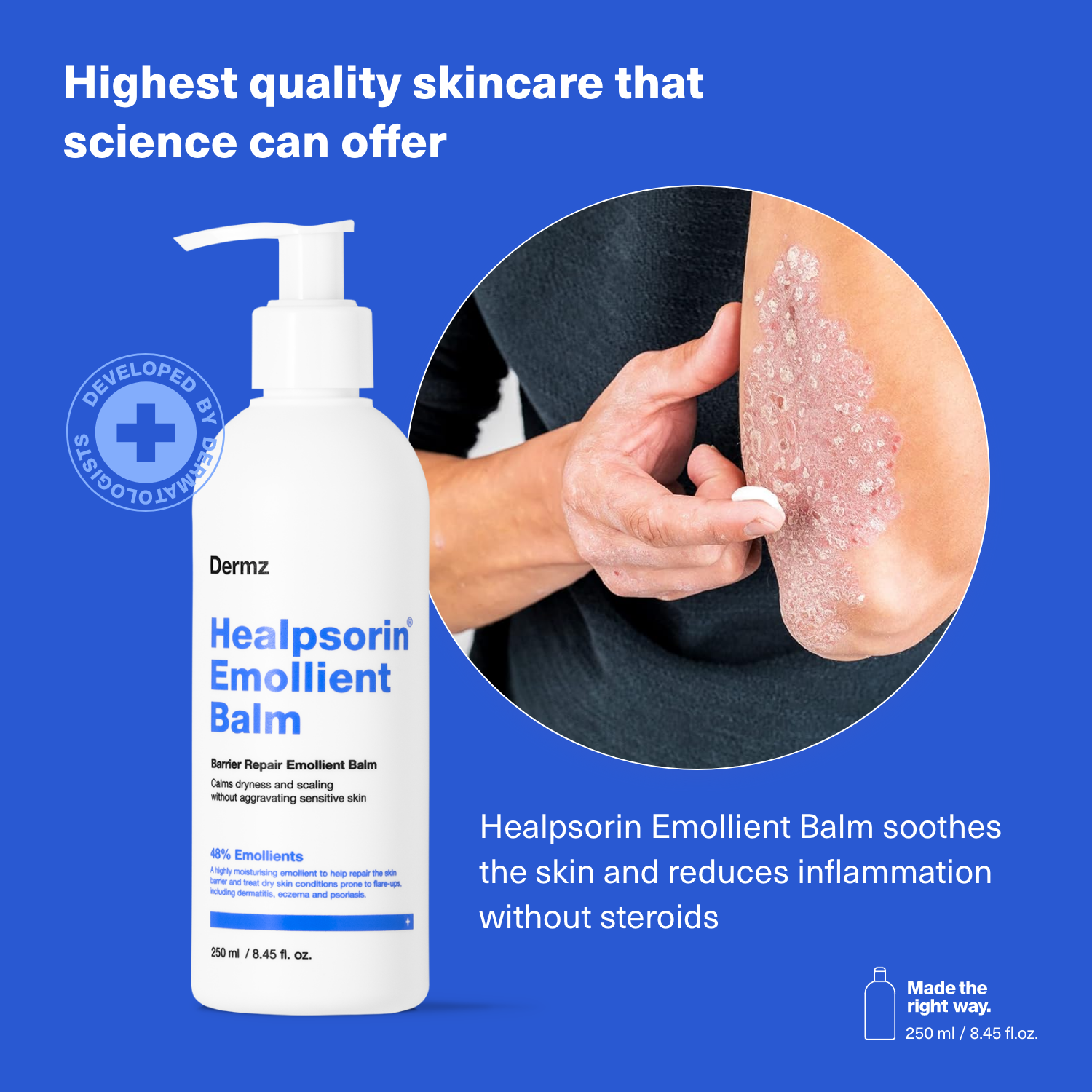
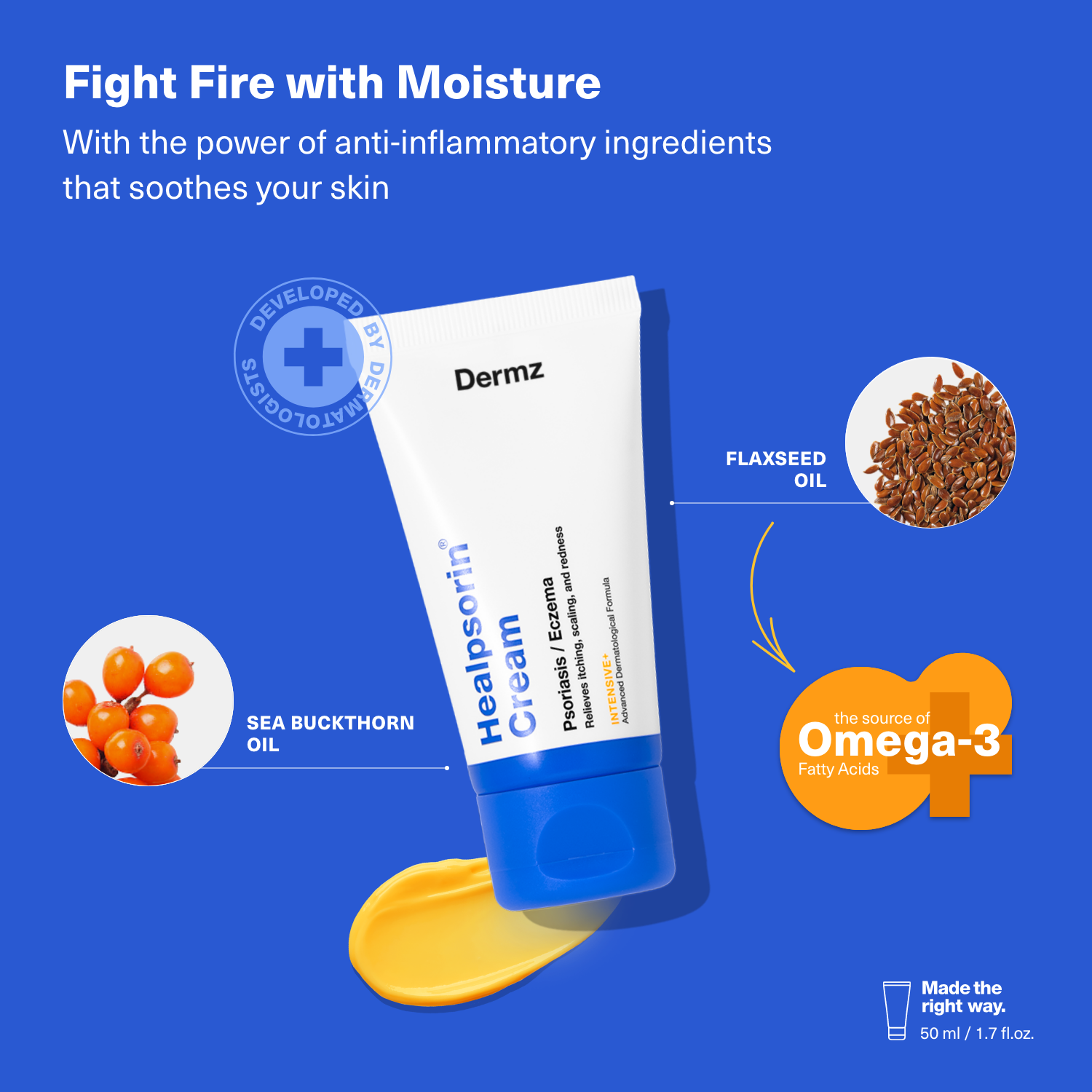
Steroid-free Healpsorin skincare from Dermz can support moisturisation between flare-ups without the skin atrophy associated with misuse of topical corticosteroids. It does not replace anti-inflammatory treatment.
What eczema treatments do doctors prescribe for children?
Doctors prescribe 5 groups of eczema treatments for children in a stepped approach: topical corticosteroids, topical calcineurin inhibitors, wet wraps and medicated dressings, antihistamines for sleep, and systemic treatments for severe eczema.
-
Topical treatments: Topical corticosteroids are matched to eczema severity. Topical calcineurin inhibitors, including pimecrolimus and tacrolimus, are second-line options in selected cases and do not cause steroid-related atrophy. UK licences permit pimecrolimus from three months and tacrolimus 0.03% from two years, but NICE's prescribing recommendations are narrower and require specialist dermatological advice.
-
Wet wraps and dressings: Trained professionals may recommend these for difficult flare-ups. Whole-body wet wraps are not first-line treatment, and combining them with steroids needs supervision.
-
Antihistamines: These do not routinely relieve eczema-related itching. An age-appropriate sedating antihistamine may occasionally be used briefly when an acute flare seriously disrupts sleep.
-
Systemic treatments: For more severe eczema, specialists may use ciclosporin, methotrexate or biological treatments such as dupilumab. Dupilumab is licensed in the UK for eligible children from six months with severe atopic eczema; systemic treatments require specialist dermatological supervision.
-
Phototherapy: Selected older children may receive supervised ultraviolet treatment through specialist services.
The appropriate treatment for atopic eczema depends on symptoms, body site and quality of life. These eczema treatments should be reviewed as the child grows. Healthcare professionals can help families adjust care over time. Daily emollients remain the foundation at every step.
How to recognise infected eczema in a child?
Infected eczema in a child shows 5 warning signs: weeping or yellow crusts, pus-filled spots, rapidly spreading redness, pain or heat in the skin, and fever or feeling unwell.
-
Weeping or crusting: Fluid or yellow crusts, especially with worsening eczema.
-
Pustules: Small spots containing pus.
-
Spreading inflammation: Rapidly worsening redness on white skin, or increasing swelling and colour change on darker skin.
-
Pain or warmth: Tender, painful or hot skin.
-
Fever or malaise: A child who is unusually tired, feverish or unwell.
Weeping alone does not prove infected atopic eczema or another form of infected eczema. Secondary bacterial infection in infected atopic eczema often involves Staphylococcus aureus on broken skin after scratching. NICE does not recommend routine antibiotics for suspected bacterial infection when a child is otherwise well; a GP may consider topical antibiotics for selected localised cases or oral antibiotics if the child is systemically unwell. A skin swab is usually unnecessary initially. A skin swab can help when secondary bacterial infection worsens, fails to improve or recurs.
Eczema herpeticum is a potentially severe viral infection caused by herpes simplex, sometimes following contact with a cold sore. It causes rapidly spreading, painful clusters of similar blisters or punched-out erosions, occasionally with fever.
Suspected eczema herpeticum requires immediate systemic aciclovir and same-day specialist dermatological assessment. Seek urgent help from your GP or NHS 111. Attend A&E if your child is seriously unwell.
A severe infection or recurrent infections warrant specialist dermatological advice. Children with eczema are more susceptible to skin infections. Suitable Dermz barrier-supporting moisturisers can reduce dryness-related scratching, but cannot replace antibiotics or antiviral treatment for bacterial or viral skin infections.
Do complementary therapies help eczema in children?
No. There is no reliable evidence that complementary therapies improve eczema in children, and some carry real risks. NICE notes that gentle massage alongside emollients may help, but it is not a substitute for established eczema care.
-
Herbal medicines and Chinese herbal medicines: Some herbal products intended for eczema contain undeclared steroids; certain Chinese herbal preparations have been linked to liver toxicity.
-
Food supplements: Evidence for probiotics, evening primrose oil and vitamin D is inconsistent, so routine use is not recommended for eczema.
-
Elimination diets: Removing foods without specialist advice risks nutritional deficiencies.
-
Homeopathy: There is no convincing high-quality evidence of meaningful benefit for atopic eczema.
Established eczema management rests on emollients, avoiding identified triggers and prescribed treatment where necessary. Tell your GP about any complementary therapies you use.
Do children outgrow atopic eczema?
Yes – many children outgrow atopic eczema or find it becomes milder with age. A systematic review of 45 studies found that around 80% of childhood cases were no longer persistent eight years after diagnosis, although recurrence is possible and individual outcomes vary.
Severe early disease, persistent symptoms and coexisting asthma can signal a greater risk of ongoing eczema. Even when flare-ups stop, some children retain dry, sensitive skin and benefit from regular moisturising and avoiding harsh soaps.
For children with eczema, from very young children to older children, accurate diagnosis, attention to triggers, daily steroid-free skincare and prescribed treatment when needed can improve comfort and quality of life.
FAQ
What triggers eczema flare-ups in children?
Common eczema triggers include harsh soaps, fragranced skincare products, heat, sweating, cold weather and skin infections. House dust mites, pollen and pet dander can also worsen eczema in children with relevant allergies. Triggers vary between individuals, so identifying what irritates your child's skin can help reduce flare-ups.
How do I treat my child's eczema?
Daily treatment starts with applying a generous amount of unperfumed emollient to the whole body, even when the skin is clear. Use gentle soap substitutes and avoid known irritants. During eczema flare-ups, a GP may prescribe topical corticosteroids to control inflammation. More severe eczema may require specialist dermatological treatment.
What is the three-minute rule for eczema?
The three-minute rule means applying emollient within three minutes of bathing, while the skin is still slightly damp. This helps retain moisture and reduce transepidermal water loss, supporting the skin barrier. It is a useful practical guideline rather than a strict medical deadline.
How can I soothe my child's itchy eczema at night?
Apply emollient before bedtime, keep the bedroom comfortably cool and dress your child in soft, breathable clothing. Short fingernails and cool compresses can help reduce scratching and discomfort. If itching regularly disrupts sleep, speak to your GP, as your child may need additional anti-inflammatory treatment.