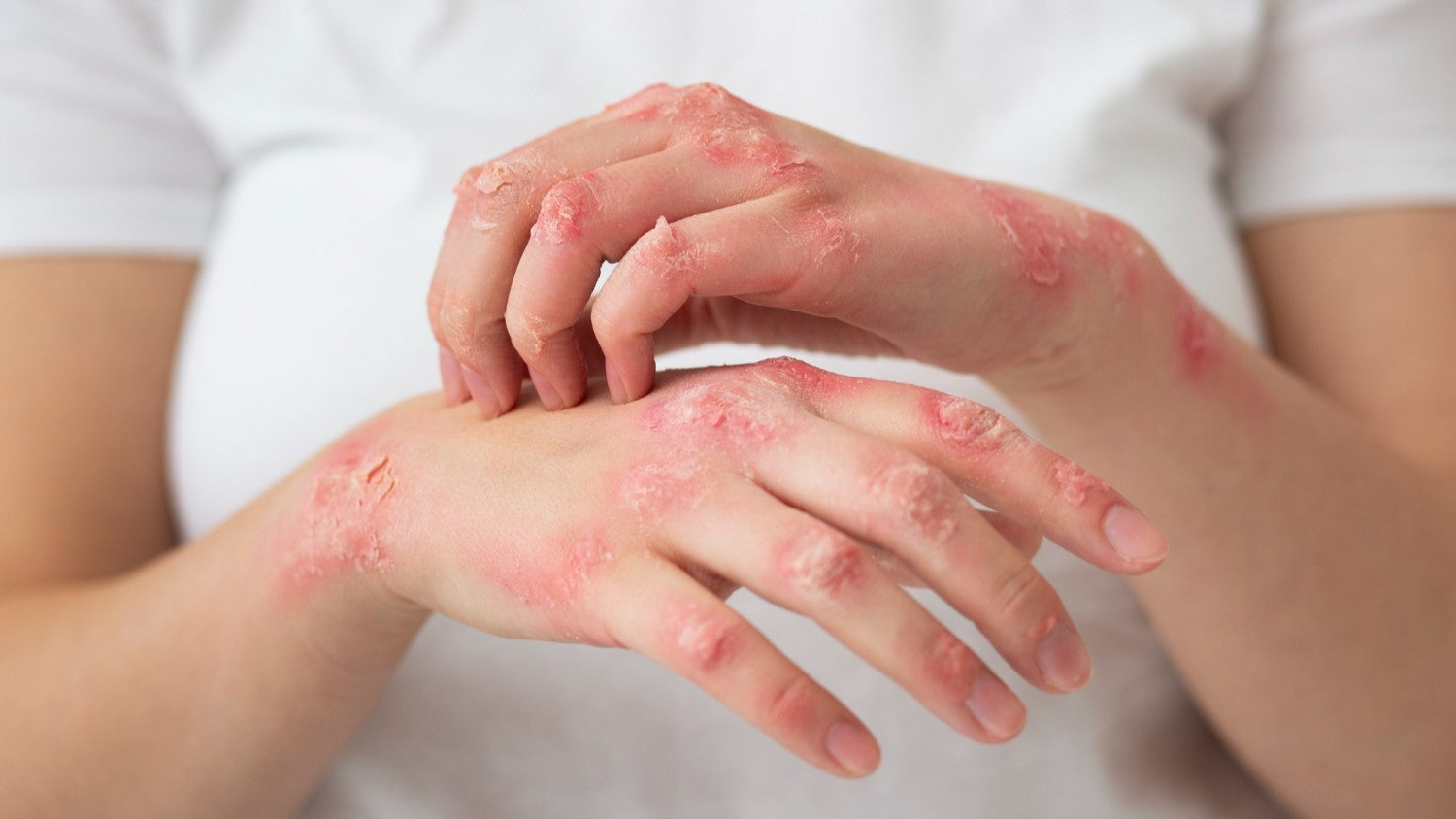
Is eczema contagious? No. You cannot catch it from another person, and you cannot pass it on through touch or everyday contact. Dermatologists hear this question frequently from patients, including worried parents who have noticed their child’s classmates keeping their distance, as well as adults who have seen people react uneasily to a patch of itchy skin on their arm. The answer deserves an explanation of the biology behind eczema, because understanding what is actually happening in the skin can help put those fears to rest, whether the flare-up is mild or genuinely severe.
Eczema, most commonly seen as atopic eczema or atopic dermatitis, is one of the most widespread skin diseases in the UK. About one in five children in the UK develop eczema, and many carry some version of it into adulthood, with dry skin and recurring eczema symptoms that wax and wane over the years, however mild or severe a particular eczema flare turns out to be. It is not an infection passed between people; it is the visible result of a skin barrier that is not doing its job properly, combined with genetics and an immune system that overreacts to everyday triggers. That single distinction — nothing to do with hygiene, contact, or contagion — is the thread running through the five myths below, starting with the question at the heart of all of them: is eczema contagious in the first place?

Myth 1: Eczema is contagious and can be caught through physical contact
No, eczema is not contagious, and it is entirely safe to touch, hug, or care for someone who has it, which is the most reassuring answer to give a worried person. Unlike a cold or a fungal infection, atopic eczema is not caused by a virus, bacterium, or parasite that can “jump” from one person's skin to another's. It develops from the inside out, through inherited skin barrier weakness, immune system overactivity, and everyday exposures that together trigger inflammation in that person's own skin. There is no infectious agent to pass on, so contact cannot give someone else eczema.
The visible changes are generated locally, by processes already under way within the body:
-
Genetic predisposition, including filaggrin gene mutations, which normally help build a tightly sealed outer skin layer.
-
Immune system overreaction, where the body treats harmless substances as a threat, fuelling ongoing skin inflammation.
-
Skin barrier dysfunction, letting moisture escape and irritants in, driving the itchy, inflamed cycle typical of eczema symptoms.
-
Environmental exposures, such as soaps, temperature changes, and stress, provoking a reaction in skin already primed to overreact.
The social cost of this myth is real. People with visible atopic eczema often describe being avoided at work or in changing rooms simply because their skin looks alarming, and that unnecessary distancing can affect mental health as much as the physical symptoms themselves. Major dermatology centres are unambiguous on the point: is eczema contagious? No, it is not an infectious skin condition, and ordinary physical contact carries no higher risk of transmission than touching entirely healthy skin.
Myth 2: Eczema is caused by poor hygiene and a lack of cleanliness
Eczema has nothing to do with being unclean. If anything, over-washing tends to irritate and make it worse. The skin's surface is protected by a thin, slightly acidic layer of natural oils that keeps the outermost cells locked together and keeps water from escaping. Harsh soap, hot water, or strong detergents strip away this layer, leaving skin more porous and more prone to flare ups.
Rather than hygiene, most flare-ups and eczema flare ups generally trace back to a predictable set of environmental factors:
-
Harsh soaps and detergents that strip natural oils and disturb the skin's pH balance.
-
Hot showers that accelerate water loss from the outer skin layer and leave dry skin more vulnerable.
-
Synthetic fabrics, and wool in particular — it is worth learning to avoid wearing wool directly against sensitised skin, since its coarse fibres irritate skin that is already struggling to hold moisture.
-
Stress, which influences how reactive the immune system becomes.
-
Allergens, such as pollen, dust mites, and certain foods, which act as additional allergic triggers on top of an already atopic background — the same family of allergens a doctor will often ask about directly.
This answers a question many people ask: what triggers eczema to spread? Rarely a single cause. A weakened skin barrier lets water escape through transepidermal water loss (TEWL) — moisture evaporating faster than skin can hold onto it, because the lipid layer between skin cells is damaged. Once compromised, irritants get in more easily, and inflammation can spread to nearby, previously normal-looking skin, making eczema worse and symptoms worse at the same time. A common mistake is trying to wash off flaking, scaly skin; this only aggravates itching and redness. A gentler approach works far better and is one of the simplest ways to prevent flare ups: wash with lukewarm water rather than hot, learn to avoid irritants such as fragranced products, and apply a rich moisturiser while skin is still slightly damp. None of this is complicated, but done consistently, these small habits genuinely help reduce flare ups over time and protect skin health more broadly.
Myth 3: Eczema and atopic dermatitis are exactly the same condition
Eczema is a common skin condition, but it is really an umbrella term for several related skin conditions, of which atopic dermatitis is simply the most common. The underlying mechanism, typical age of onset, and best treatment differ from one type to the next.
|
Type of eczema |
Clinical features |
|
Atopic dermatitis (atopic eczema) |
Chronic, relapsing, linked to the atopic triad; runs in families, usually starts in early childhood |
|
Contact eczema (contact dermatitis) |
A localised reaction to an irritant or allergen; can affect anyone, regardless of atopic history |
|
Seborrhoeic dermatitis |
Linked to excess sebum and the yeast Malassezia; typically affects the scalp, face, and chest |
|
Discoid (nummular) eczema |
Coin-shaped, well-defined patches, often triggered by skin injury or dry climates |
|
Varicose (stasis) eczema |
Linked to poor circulation in the veins; usually appears on the lower legs |
Atopic dermatitis is defined by its link to the atopic triad: atopic dermatitis alongside hay fever and asthma, three conditions that frequently cluster in the same person or family, driven by a shared immune system tendency to overreact. A strong family history of atopy raises a child's risk of developing eczema themselves, and this genetic thread is one of the clearest markers doctors look for during eczema diagnosis.
Contact eczema is different: it can appear in anyone, with or without an atopic background, the moment their skin meets a substance it cannot tolerate — a fragrance, a metal, or an industrial chemical. No inherited predisposition is required, only sufficient exposure. When the picture is unclear, your GP may suggest blood tests or patch testing to establish whether an allergic component is driving your symptoms, since knowing exactly which type you are dealing with shapes how best to treat eczema going forward, whichever form it takes.
Myth 4: Eczema can be completely cured with the right treatment
Eczema is a chronic condition, and no cream or lifestyle change currently offers a permanent cure. The realistic goal is long-term control, not elimination. This is not a discouraging message: patients expecting a final cure often feel every eczema treatment has failed them, when their skin is simply behaving exactly as this kind of condition is expected to, with calm periods interrupted by occasional flare ups.
A consistent, barrier-focused routine remains the most reliable way to manage symptoms and stretch the calm periods between flares:
-
Moisturising consistently, applying moisturiser within about three minutes of stepping out of the bath or shower — the so-called three-minute rule, which traps water in the skin before it can evaporate.
-
Avoiding known triggers, from harsh detergents to synthetic fabrics and allergens.
-
Using topical steroid creams appropriately, following your doctor's guidance on strength and duration rather than continuing indefinitely.
-
Introducing steroid-free daily maintenance between flare-ups, to support skin barrier regeneration without the risks of long-term steroid use.
-
Considering prescription treatments for severe cases, including ultraviolet light treatment or other dermatologist-led therapies.
It helps to know that many children genuinely do grow out of it: about 80% of children with eczema see substantial improvement by their teenage years. That is one of the more reassuring facts I can offer parents who worry they will never prevent eczema from returning. For adults whose eczema persists into later life, the picture is one of management rather than removal. Used correctly, topical steroid creams remain one of the best treatment options for calming an active flare; used continuously without supervision, they can lead to tachyphylaxis, where the same steroid grows progressively less effective, alongside skin thinning and, in severe cases, topical steroid withdrawal — a painful rebound reaction following abrupt discontinuation after prolonged, heavy use. Steroid creams work best as a short, targeted course rather than a permanent daily habit, not the default first-line treatment for every eczema flare up.
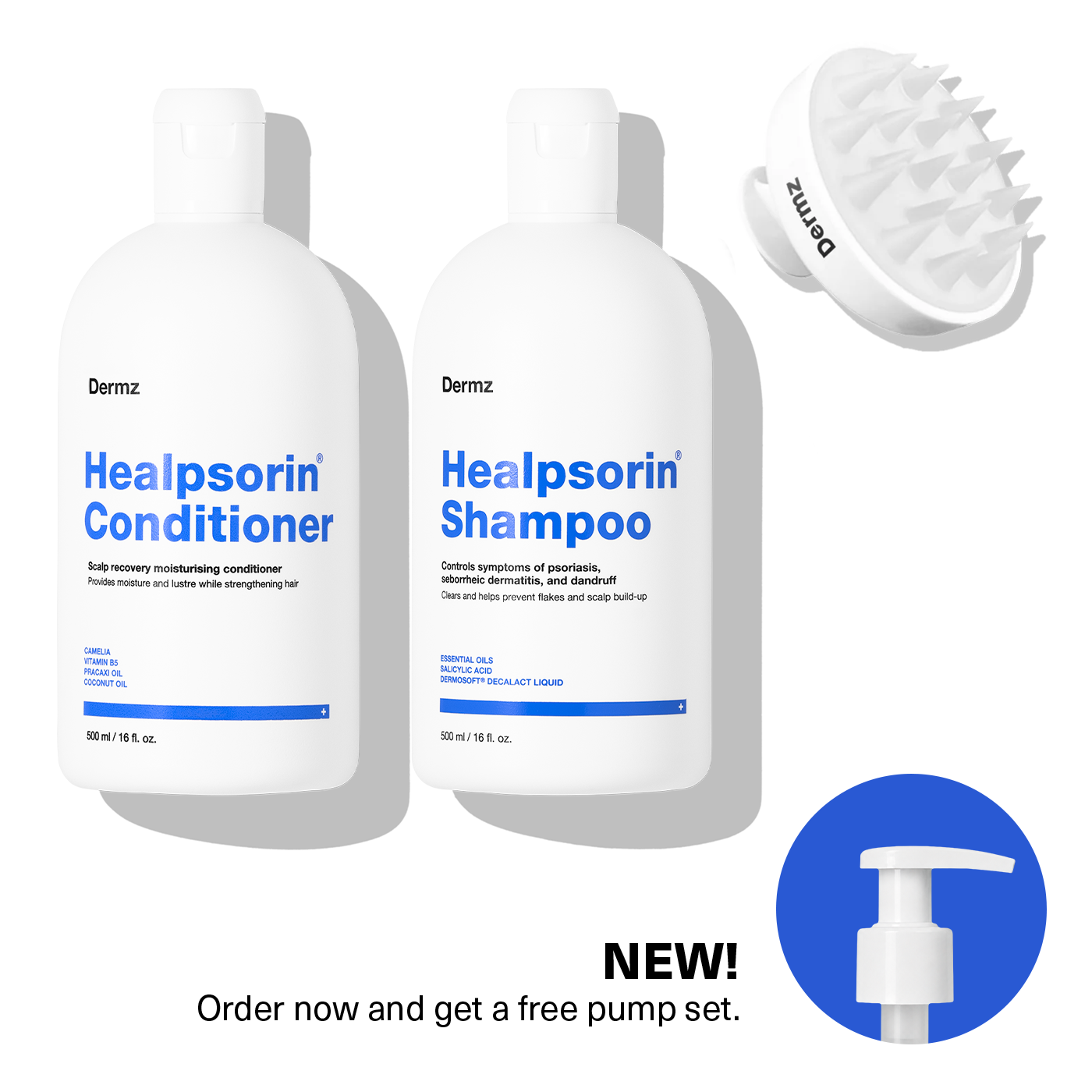
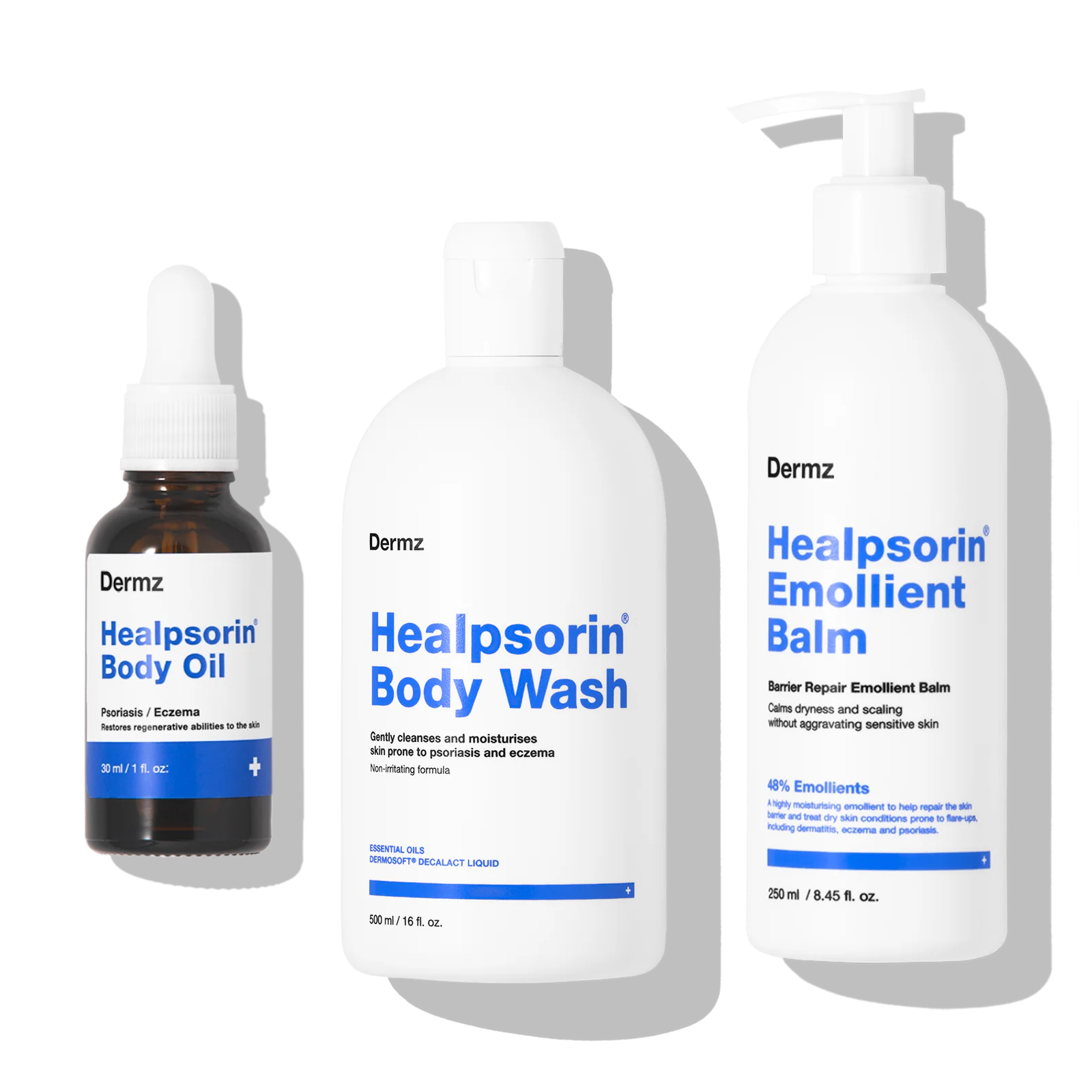
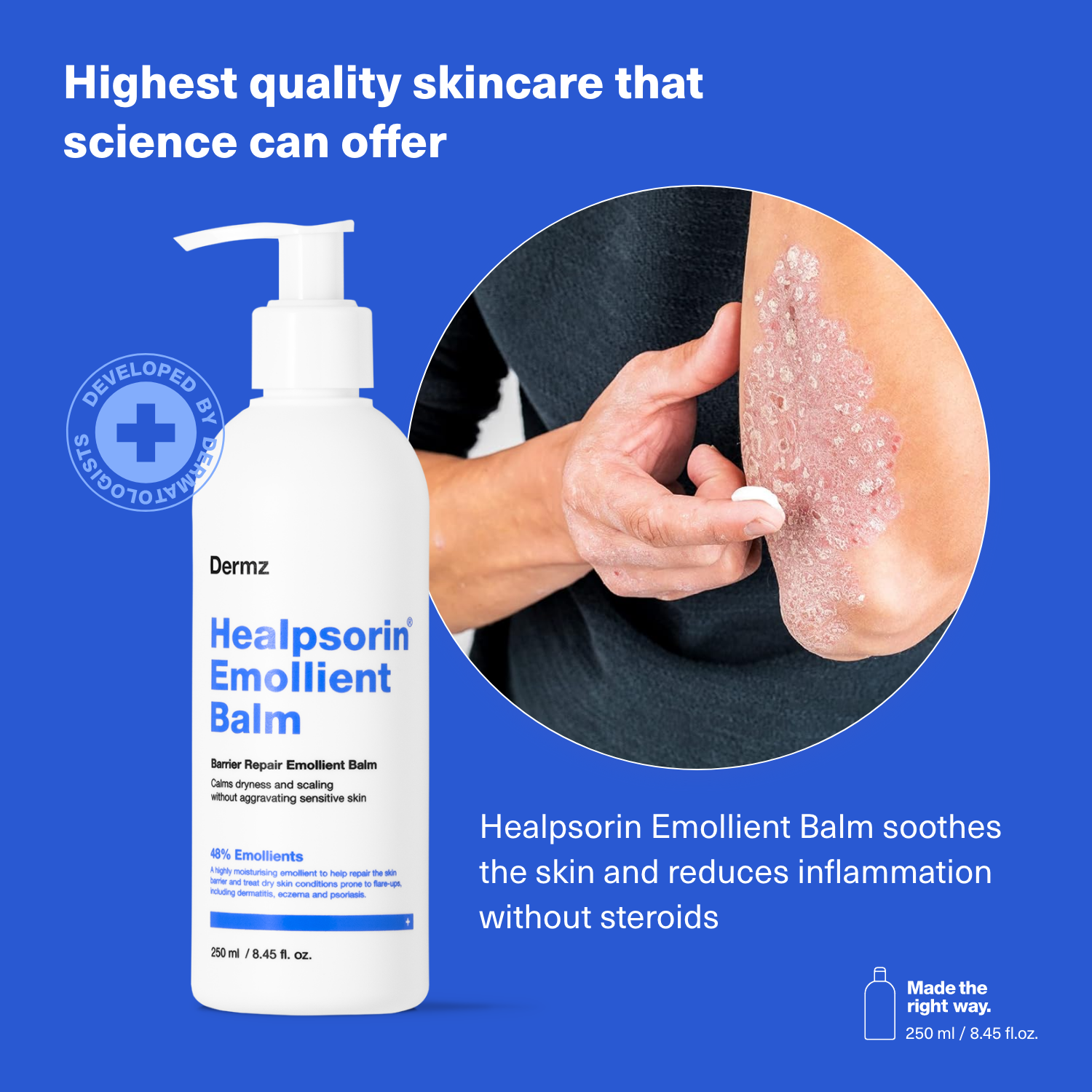
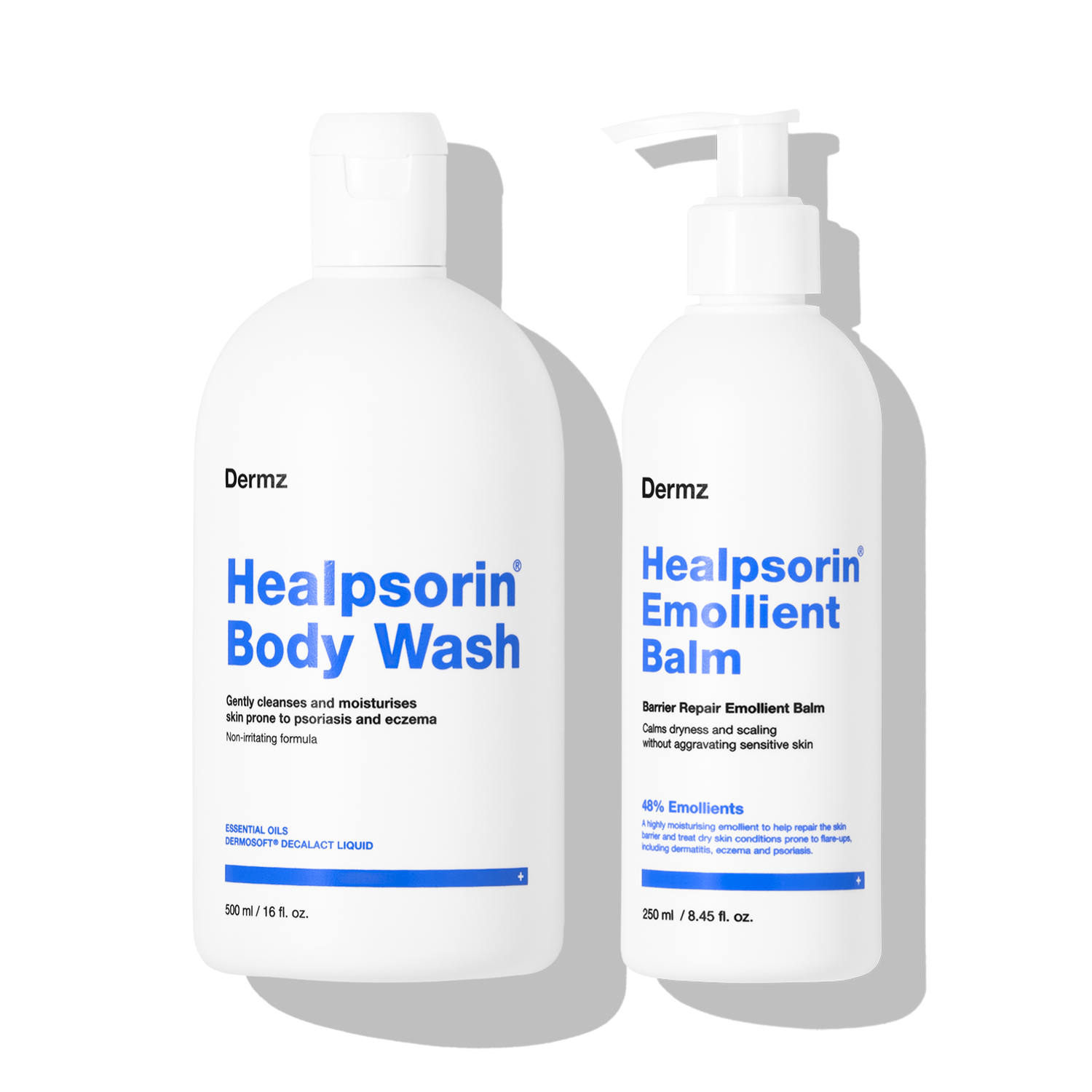
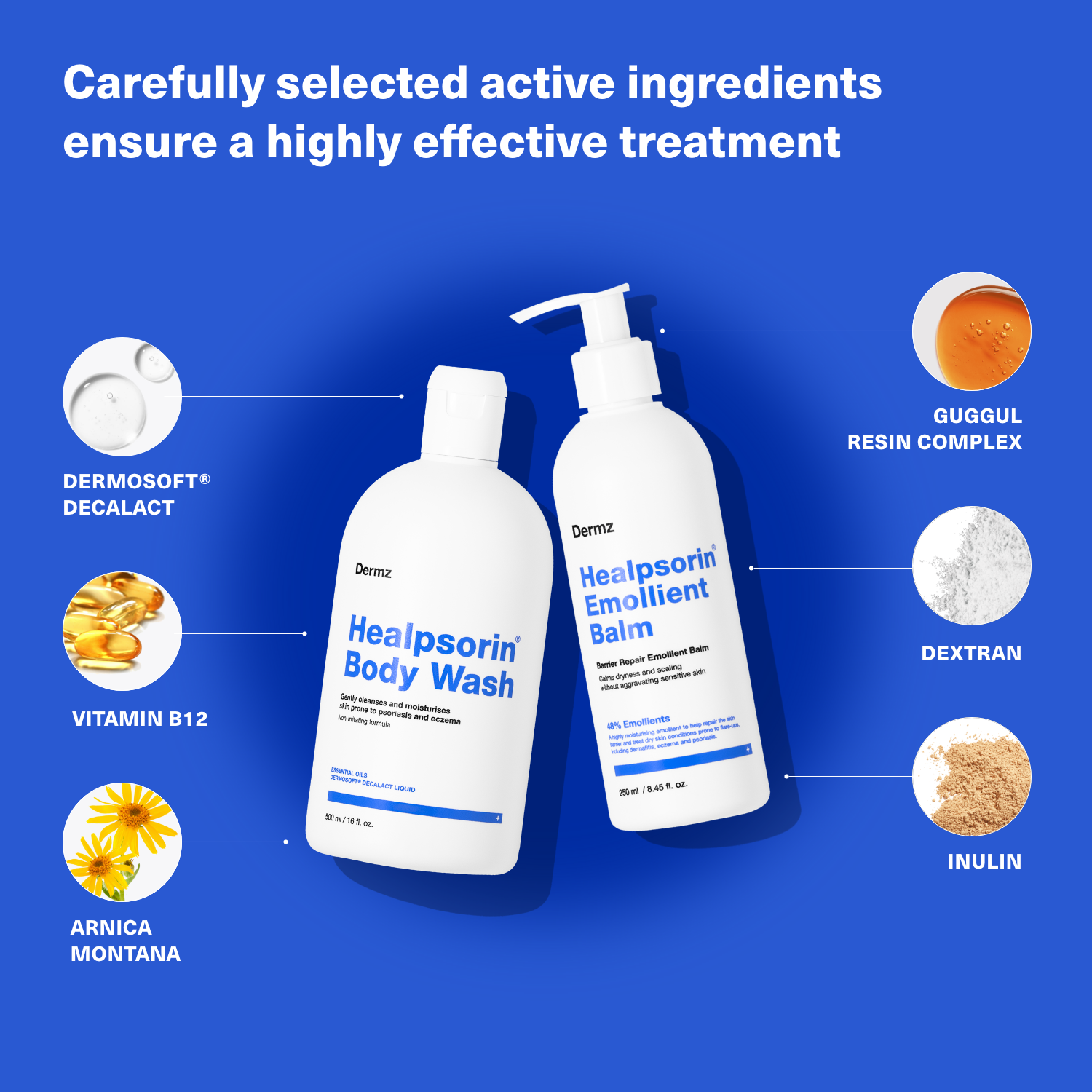
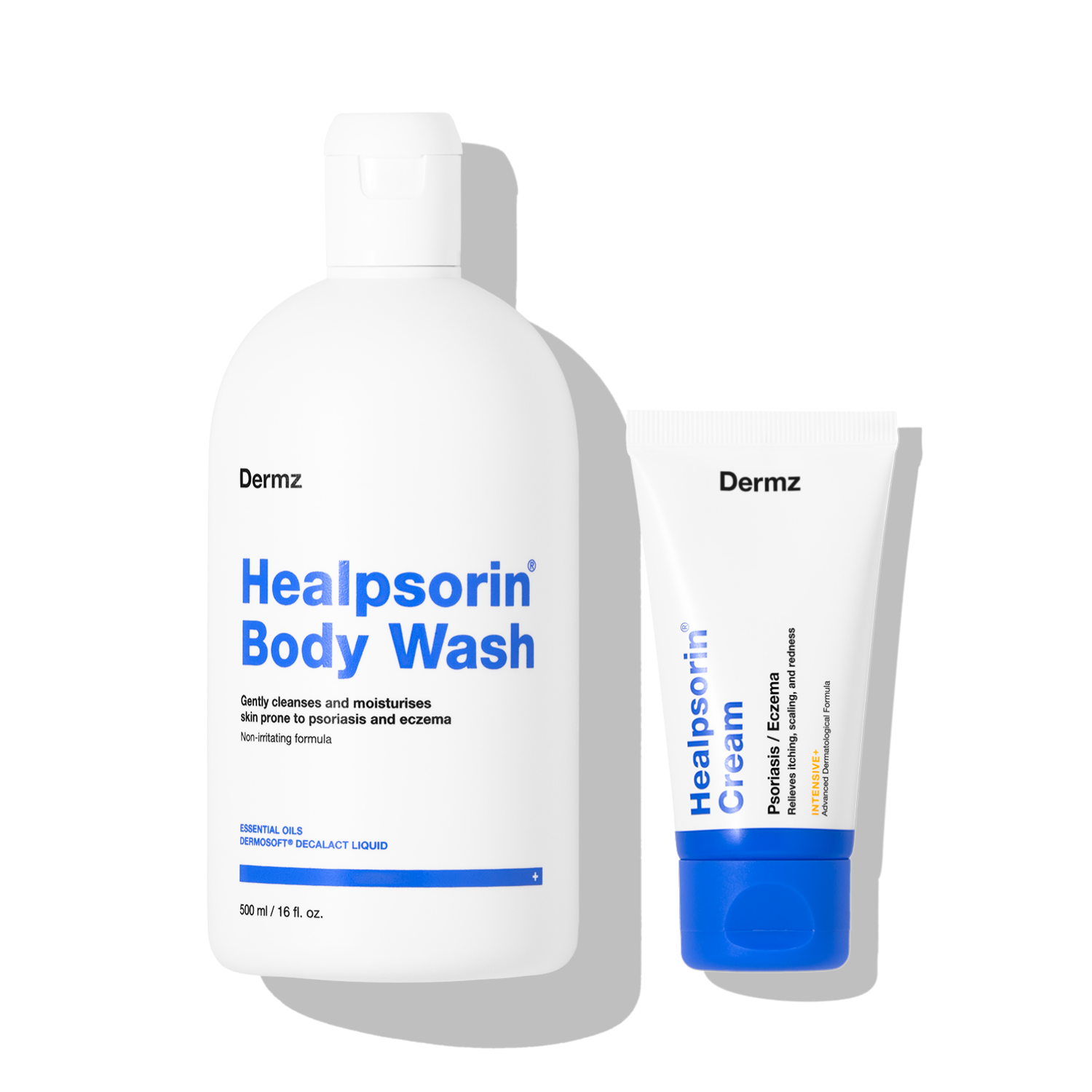
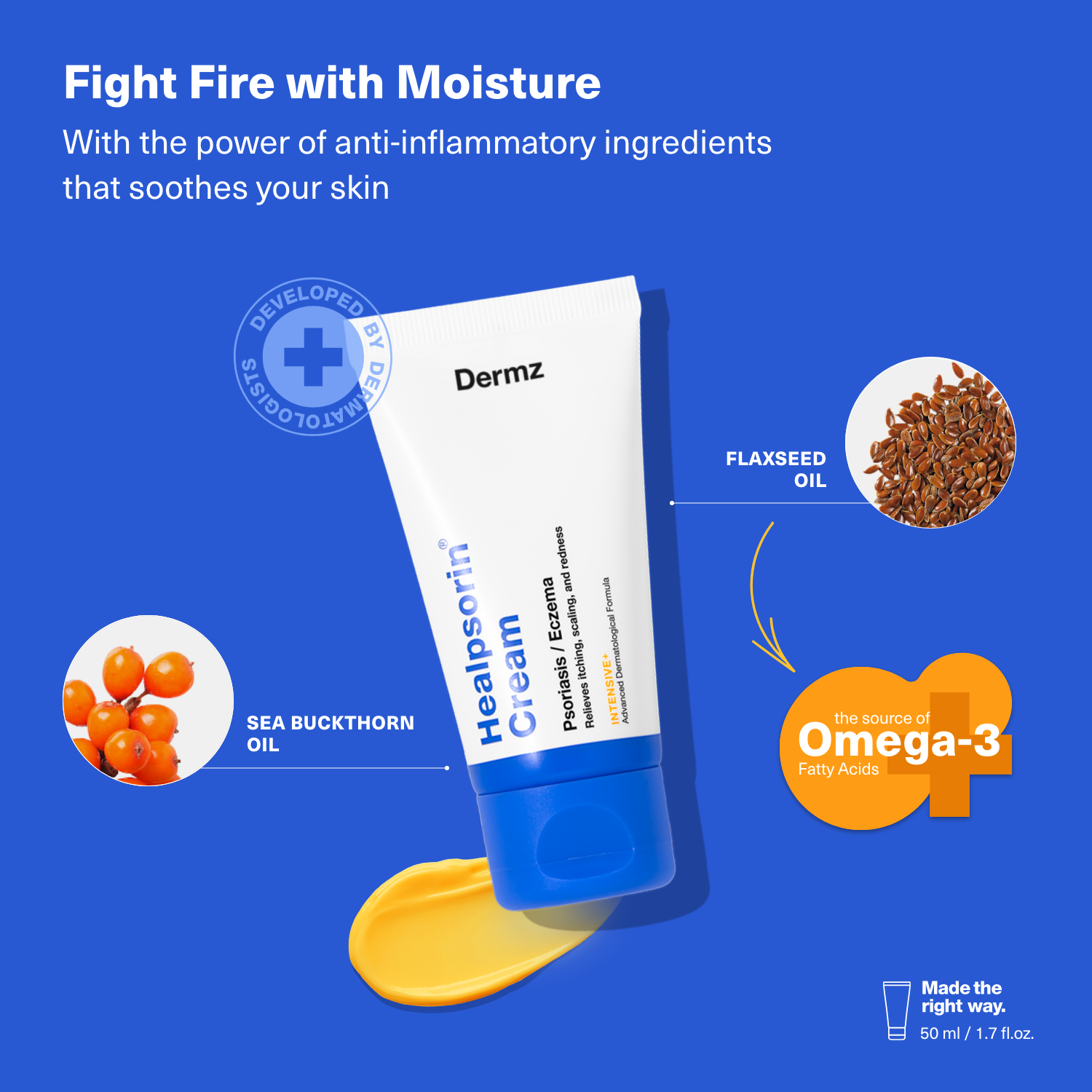
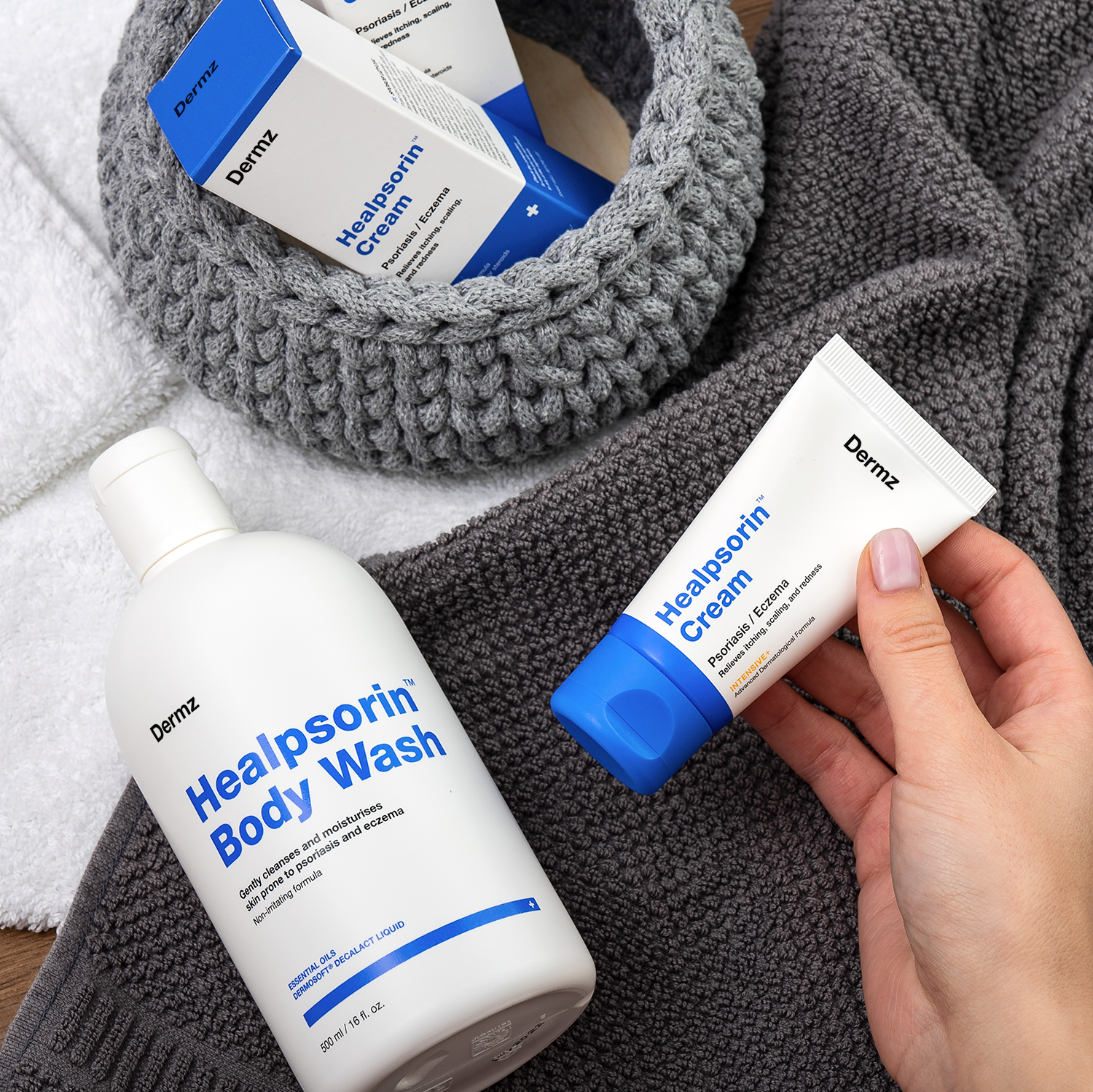
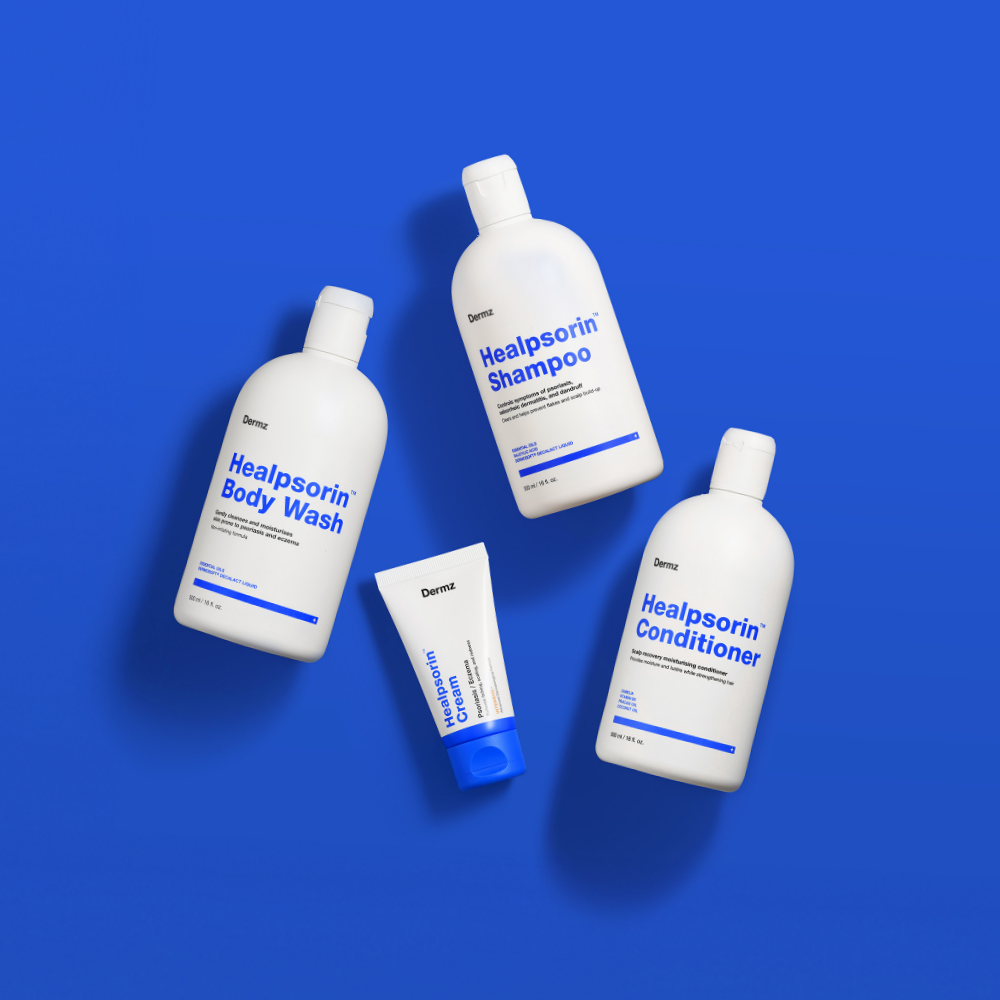
This is where a steroid-free daily maintenance product earns its place. The Dermz Laboratories Healpsorin range was formulated for exactly this gap: a dermocosmetic that supports skin barrier regeneration and helps manage flaking on the days between eczema flare ups, without the tachyphylaxis or rebound risk of continuous steroid use. Applied to slightly damp skin straight after washing, Healpsorin Emollient Balm is designed to soothe itching and support prolonged remission as part of a steroid-free daily maintenance routine, alongside — never instead of — any treatment your dermatologist has prescribed.
Myth 5: Any skin rash that looks like eczema is completely non-contagious
While atopic eczema itself is never contagious, several genuinely infectious skin conditions can look remarkably similar, and telling them apart matters for how you treat what you see. This is really an extension of the same eczema is not contagious principle: the patch you are worried about might not even be eczema, and a small group of skin infections deserve their own mention.
A few contagious conditions and skin infections are commonly mistaken for a flare:
-
Impetigo — a highly contagious bacterial infection producing a honey-coloured crust, often around the nose and mouth in children.
-
Ringworm (tinea) — a fungal infection producing a ring-shaped, scaly rash with a clearer centre, spread through skin-to-skin contact or contaminated surfaces, and occasionally affecting the nails as well as the skin.
-
Scabies — caused by mites burrowing into the skin, producing intense itching, especially at night, with visible burrow tracks.
-
Eczema herpeticum — a serious viral superinfection that develops when the herpes virus, often the same one behind a cold sore, spreads across skin already affected by atopic eczema.
Certain warning signs should prompt an urgent call to your doctor rather than a trip to the pharmacy: sudden clusters of painful, fluid-filled blisters resembling a widespread cold sore, punched-out sores with a crusted, weeping surface, a rapidly spreading rash, fever, or feeling generally unwell alongside the skin changes. These red flags, particularly in a child with known atopic dermatitis, point towards eczema herpeticum and warrant same-day medical assessment, since it can escalate quickly and needs antiviral treatment without delay.
The other complication worth knowing, particularly for anyone managing eczema long-term, is bacterial superinfection. When eczema is severe and the skin barrier is already broken down by scratching, bacteria — most often Staphylococcus aureus — can colonise the damaged surface, turning inflamed skin into a source of infection and, occasionally, more serious complications around the nails or nearby joints. This is one of the clearest reasons to avoid scratching: it genuinely reduces your risk of these complications. It is also worth noting that applying a strong steroid cream to an undiagnosed fungal rash can make things worse, effectively feeding the infection while masking its appearance — another reason self-diagnosing skin diseases from a photograph online is never a substitute for a proper examination.

This is where consistent barrier support earns its place. The Dermz Laboratories Healpsorin range, with its soothing, antibacterial ingredients, helps calm irritation that would otherwise irritate and inflame the skin further. By helping to reduce itching, it limits the mechanical damage caused by scratching and narrows the entry points bacteria rely on. It is not a substitute for antifungal or antiparasitic treatment once an infection has been diagnosed — that decision, and any prescription-level treatment it requires, always belongs to your GP or dermatologist.
Taken together, these five myths point to one consistent truth worth repeating to anyone who still hesitates before shaking your hand: eczema is not contagious. It is, however, a genuine, chronic condition among common skin diseases that deserves proper diagnosis, a sensible eczema-friendly daily routine, and a healthy respect for the difference between supporting prolonged remission and expecting the condition to vanish for good.
Understanding your skin, rather than fearing it or what other people think of it, remains the single most useful step towards keeping eczema symptoms and flare ups under control across the whole body, whatever your age and whatever type of eczema you are living with day to day.
This article is intended for general information and does not replace a patient information leaflet or personalised medical advice. If you are concerned about your symptoms, please speak to a GP, pharmacist or dermatologist.
FAQ
-
Can you catch eczema from another person? No — you cannot catch eczema, including atopic dermatitis, from anyone else. It is not caused by a virus, bacterium or parasite that can pass from one person's skin to another's, so ordinary contact such as hugging, shaking hands or sharing towels will never give you eczema.
-
What triggers eczema to spread? There is rarely a single cause. A weakened skin barrier allows water to escape through transepidermal water loss, letting irritants and allergens penetrate more easily, so if you notice inflammation creeping onto nearby skin, over-washing, harsh detergents, wool fibres, stress and known allergens are usually behind it.
-
What is the three-minute rule for eczema? It is a simple habit worth building into your routine: apply a rich moisturiser within about three minutes of stepping out of the bath or shower, while your skin is still slightly damp, so the product traps that moisture in rather than letting it evaporate.
-
Can eczema be completely cured? No single treatment will remove your eczema permanently, since it is a chronic condition. The realistic goal of any routine, whether steroid-based or steroid-free, is supporting prolonged remission and stretching the calm periods between flare-ups, rather than expecting it to disappear for good.
-
How do you tell eczema apart from a contagious skin infection? Your eczema will typically bring dry, itchy, inflamed skin without fever or spreading pus, whereas conditions such as impetigo, ringworm or eczema herpeticum usually come with extra warning signs — a honey-coloured crust, a ring-shaped scaly patch, or sudden clusters of painful blisters — that are worth getting checked by your GP on the same day rather than treating at home.