
The end of skincare short-cuts
In today's world, where Instagram and advertisements scream "instant effect," it's easy to fall into a trap. We buy creams and shampoos that promise immediate smoothness and shine. And indeed, for a moment, things get better. The complexion looks rested, hair is glossy. But after a few days, the problem returns, often with double the intensity. Why? Because most of these products only provide a cosmetic effect - a temporary improvement in appearance - without actually working towards the skin's health. It’s like putting a bandage on a burst pipe - it looks better, but the leak is still there.
At Dermz Labs, we believe in a different approach. We believe in conscious regenerative skincare that focuses on removing the source of the problem and rebuilding the skin's natural functions. Instead of masking, we propose treatment. Instead of quick and empty promises - lasting relief and health. This guide is designed to help you move from temporary coverage of imperfections to deep regeneration.
What is conscious regenerative skincare and how to distinguish it from problem-masking cosmetics?
Conscious regenerative skincare is an approach focused on supporting the skin's natural repair processes, based on high-quality active ingredients, without the use of irritating fillers. Distinguishing it from masking cosmetics involves analyzing the ingredients and long-term effects. Masking products often use ingredients like silicones, heavy paraffins, or strong detergents, which give a short-term aesthetic effect (e.g., smoothing, an immediate feeling of cleanliness) but do not treat the root causes (e.g., they don't rebuild the protective barrier, nor do they soothe inflammation).
Regenerative skincare, promoted by Dermz Labs, focuses on a high concentration of ingredients with proven biological action (e.g., ceramides, prebiotics), the goal of which is to restore the skin's balance and permanently improve its condition. Regenerative action is slower but yields lasting results.
The fundamentals - what is regeneration, and what is masking?
What does the term "skin regeneration" mean and why is it crucial?
Skin regeneration is a biological process involving the rebuilding of damaged structures, restoring balance (e.g., of the microbiome and pH), and strengthening the natural protective barrier of the epidermis. It is a long-term action that leads to a lasting improvement in skin health, not just its momentary appearance.
The most common trap we fall into is aggressively advertised products that offer immediate relief. Take the example of silicones. Applied to the skin, they give a velvety, smooth finish. The problem is that this is only an optical illusion. The skin underneath is neither healed nor moisturized; it is merely covered with a film that can hinder its natural function and breathing. This is masking. Regenerative skincare relies on ingredients that penetrate deeper, repair cellular damage, and provide building blocks.
Why do artificial fillers in cosmetics hinder healing?
Artificial fillers are substances added to cosmetics mainly to improve texture, lower production costs, or create the illusion of an immediate effect. However, they carry no regenerative value and are often irritating. They can interfere with the skin's natural repair processes.
Think of them as ballast. Your skin has to fight with them instead of focusing on absorbing valuable substances. The most harmful substances often found in cheaper and aggressively advertised products are:
- Strong Detergents (e.g., SLS/SLES): Too aggressively remove the skin's natural lipids, destroying the protective barrier. They give a "squeaky clean" feeling but lead to dehydration and irritation.
- Artificial Colorants and Fragrances: Are potent allergens and can cause chronic inflammation, especially in people with sensitive skin.
- Aggressive Preservatives: Used in excess, they can disrupt the skin's microbiome.
Eliminating these ingredients is the first step in enabling the skin to self-regenerate. Dermz Labs formulas focus on the essence—what works.
➡️ See also: Artificial Fillers in Cosmetics: What to Avoid to Allow Proper Skin Regeneration?
Targeted regeneration of skin problems
How to consciously care for chronically sensitive skin (Psoriasis, AD, Eczema)?
Chronically sensitive skin (e.g., with psoriasis or Atopic Dermatitis/Eczema) is characterized by a damaged protective barrier and hyper-reactivity, requiring the elimination of all irritating substances and the constant supply of building ingredients. In its case, masking is particularly dangerous because any irritating ingredient (e.g., a strong fragrance or alcohol) can immediately trigger a flare-up and intensify itching.
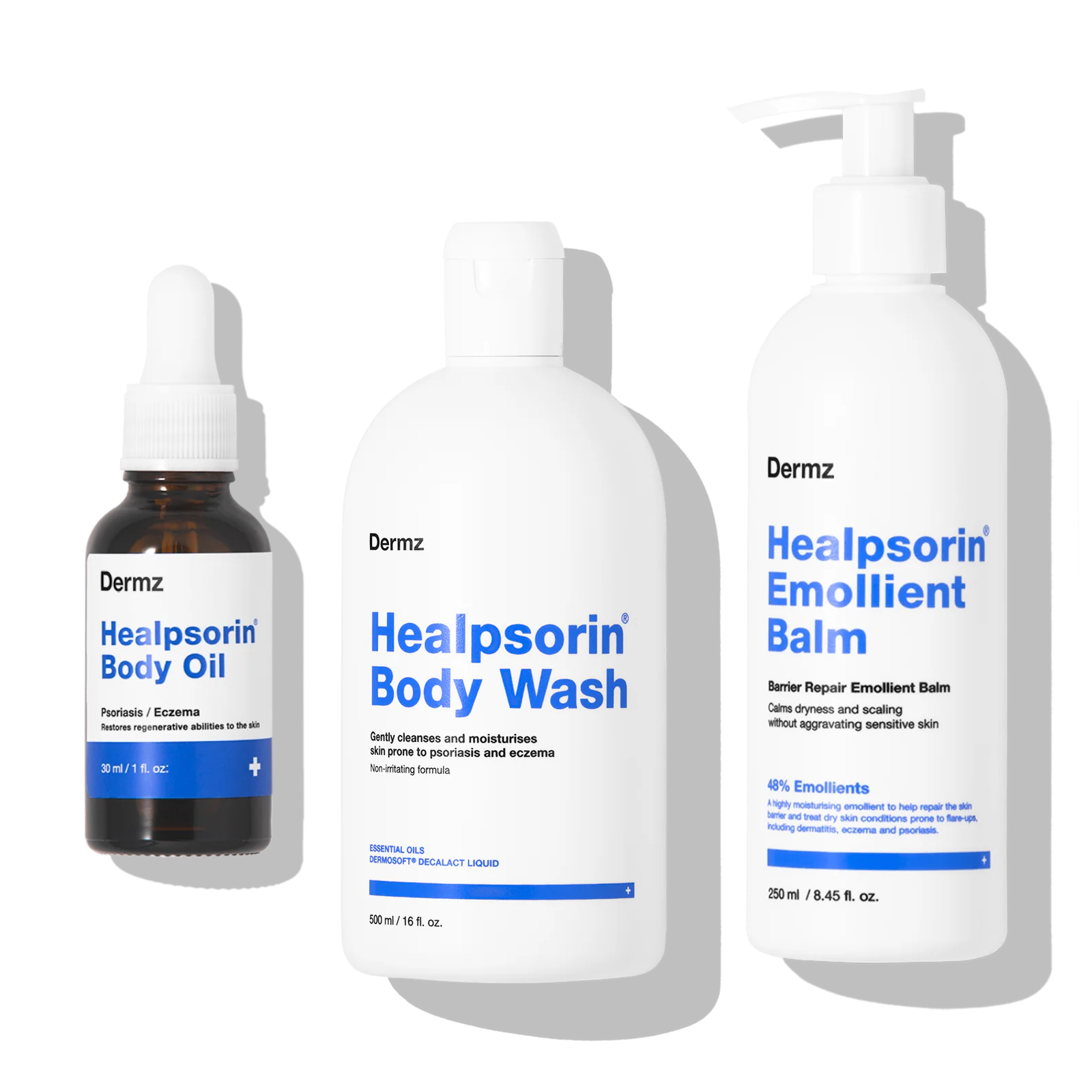
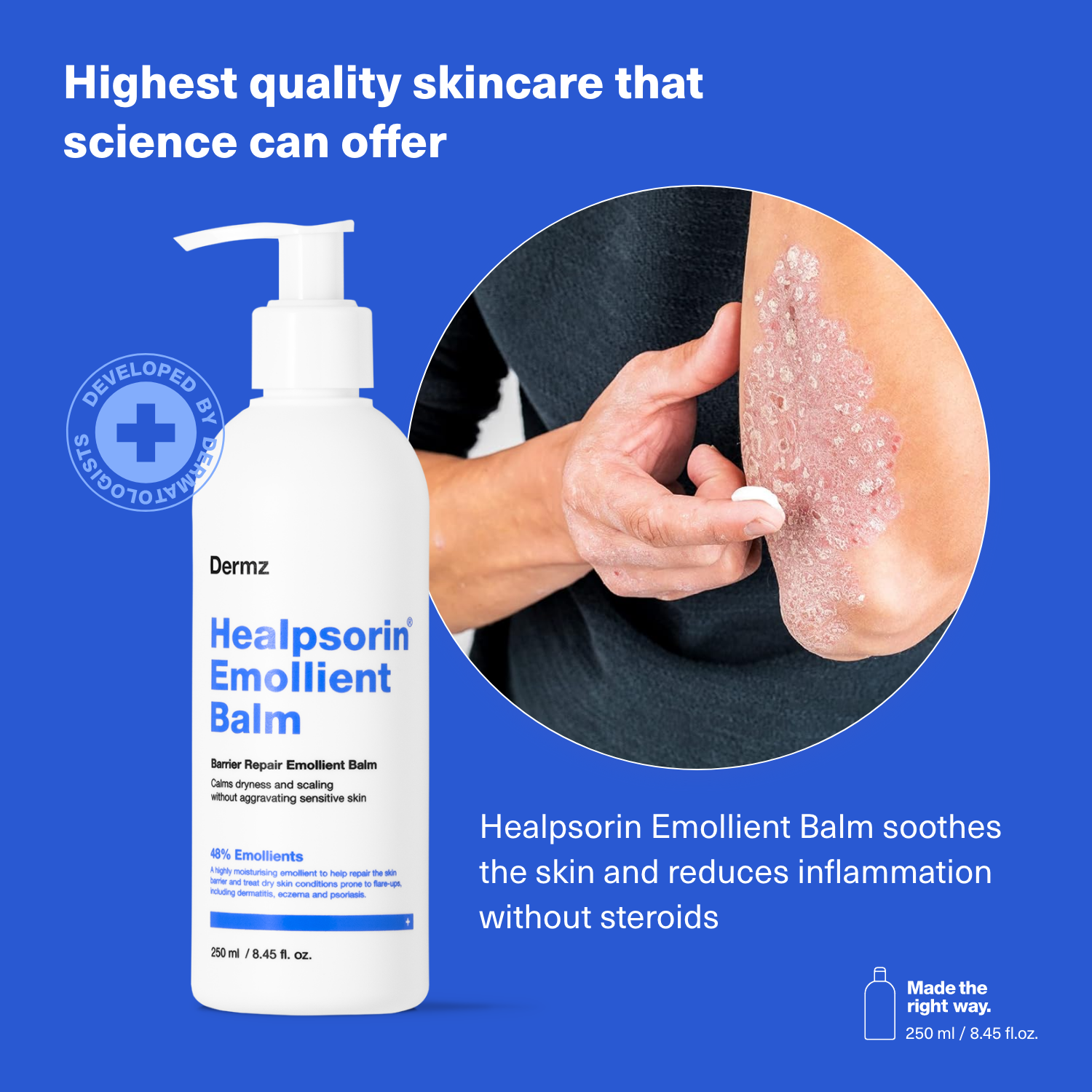
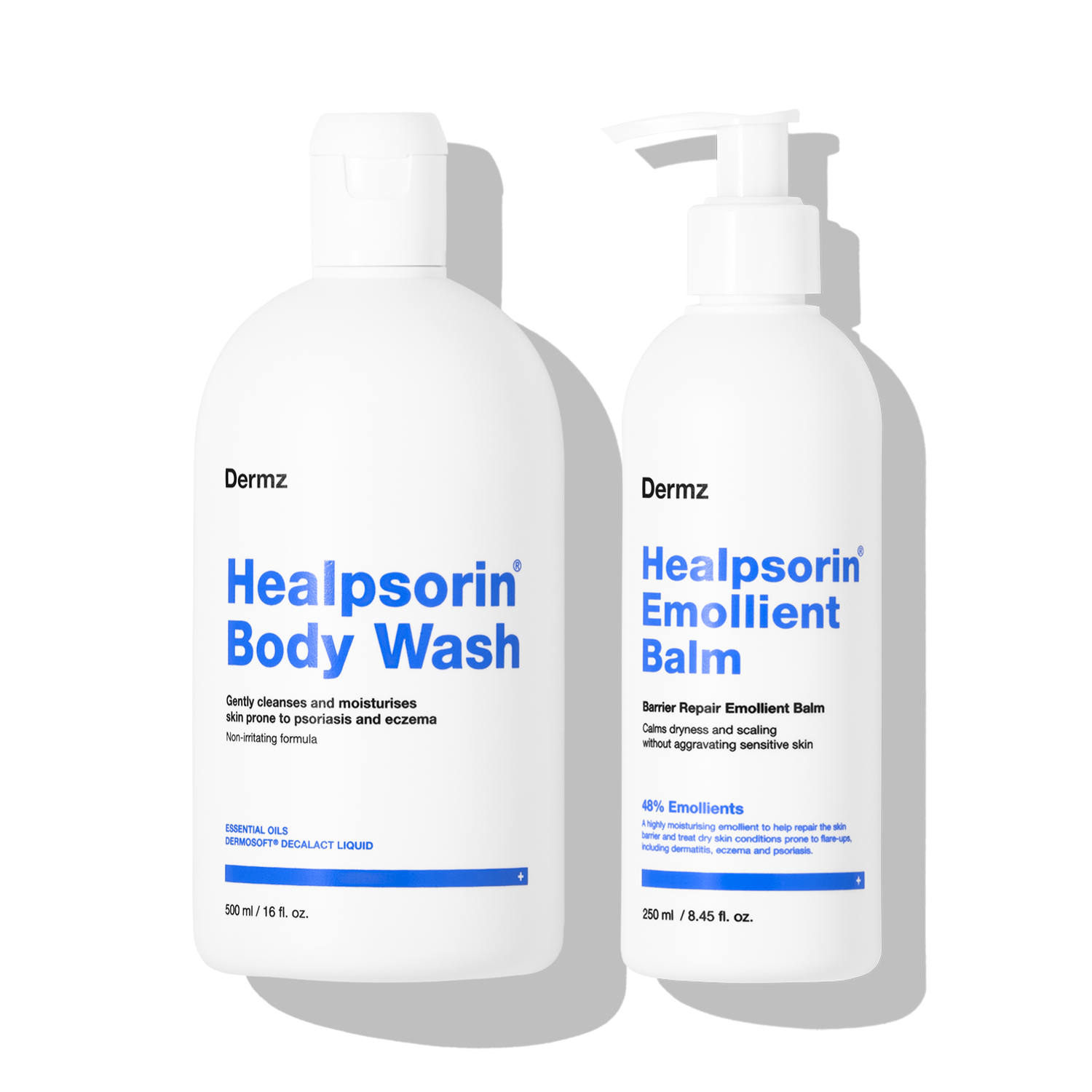
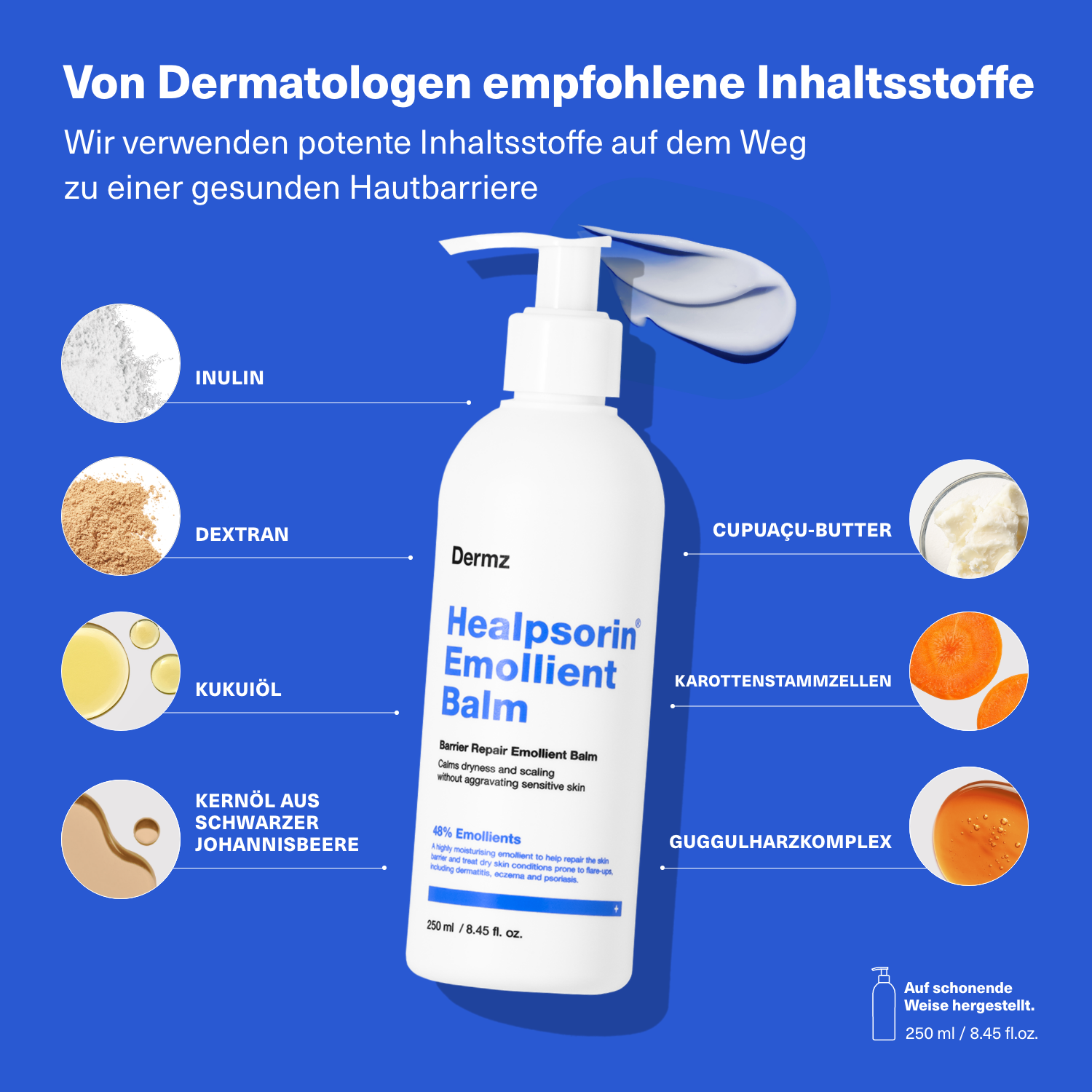
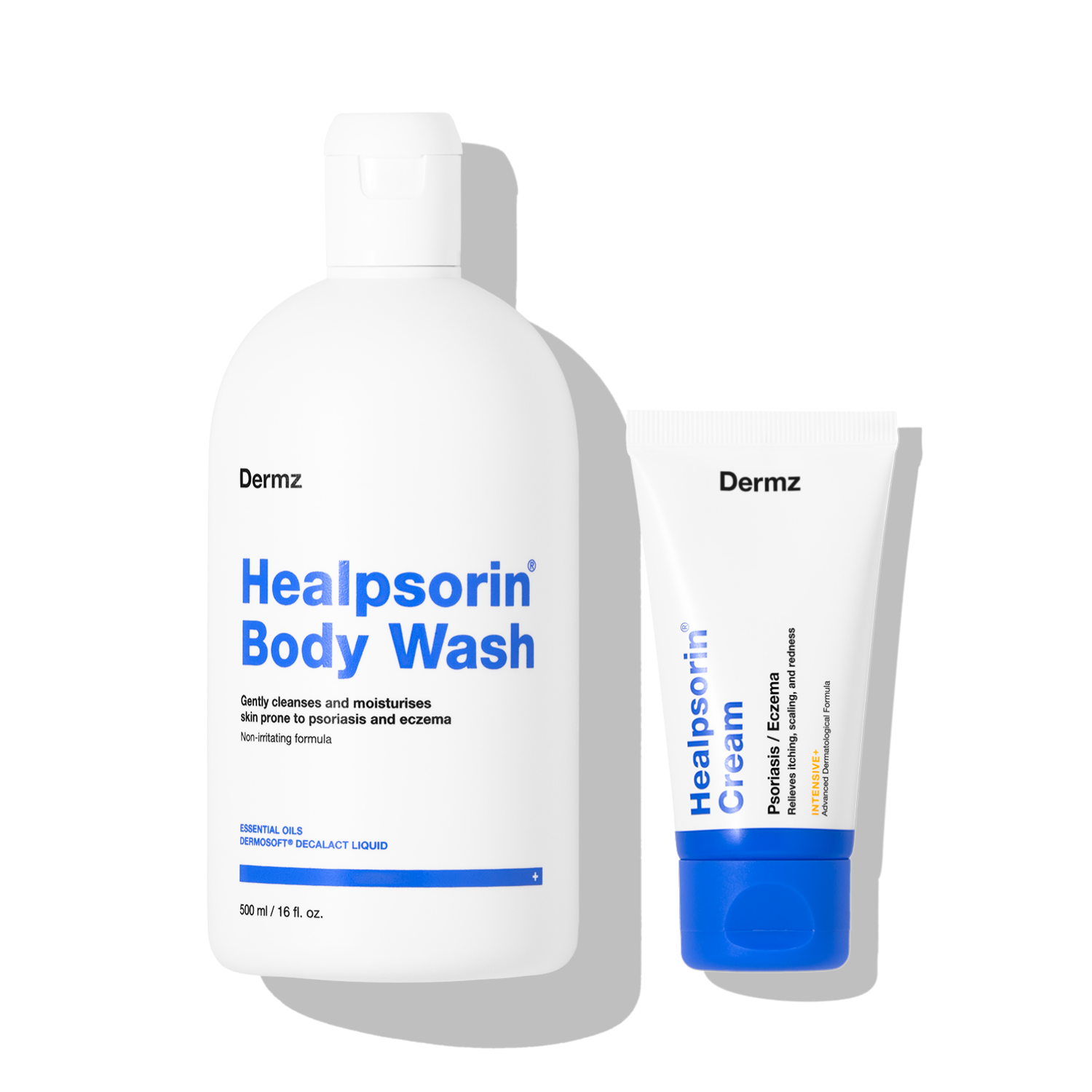
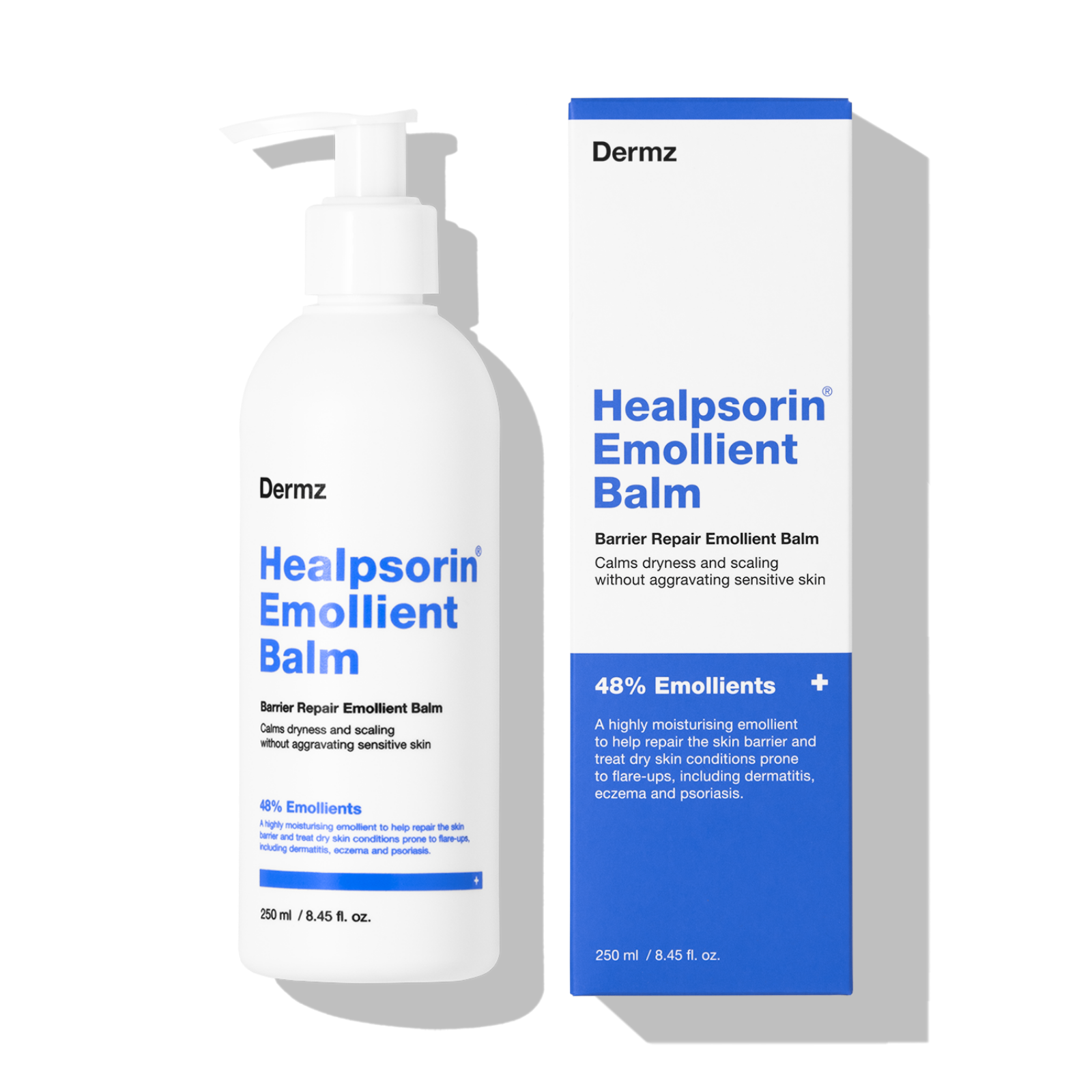
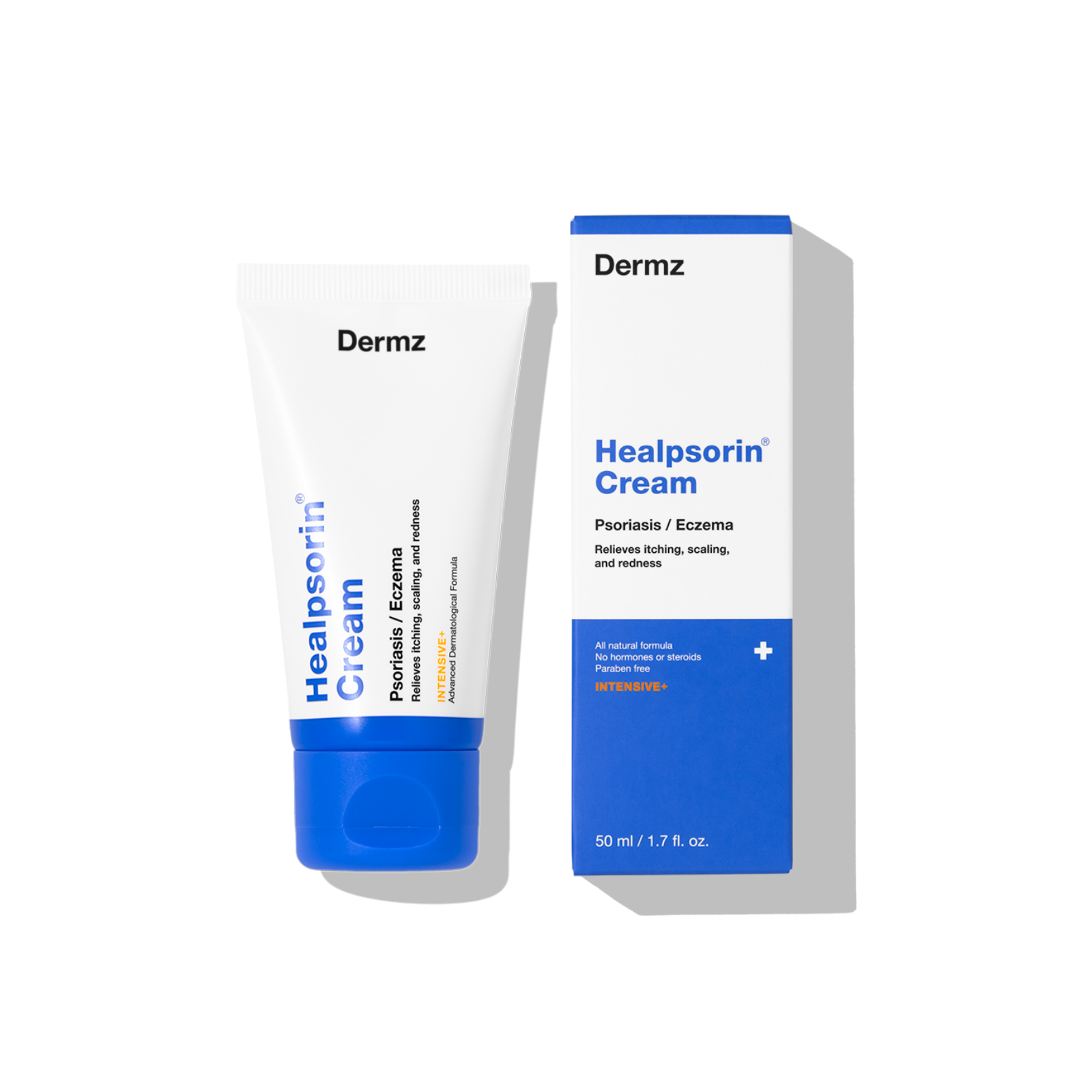
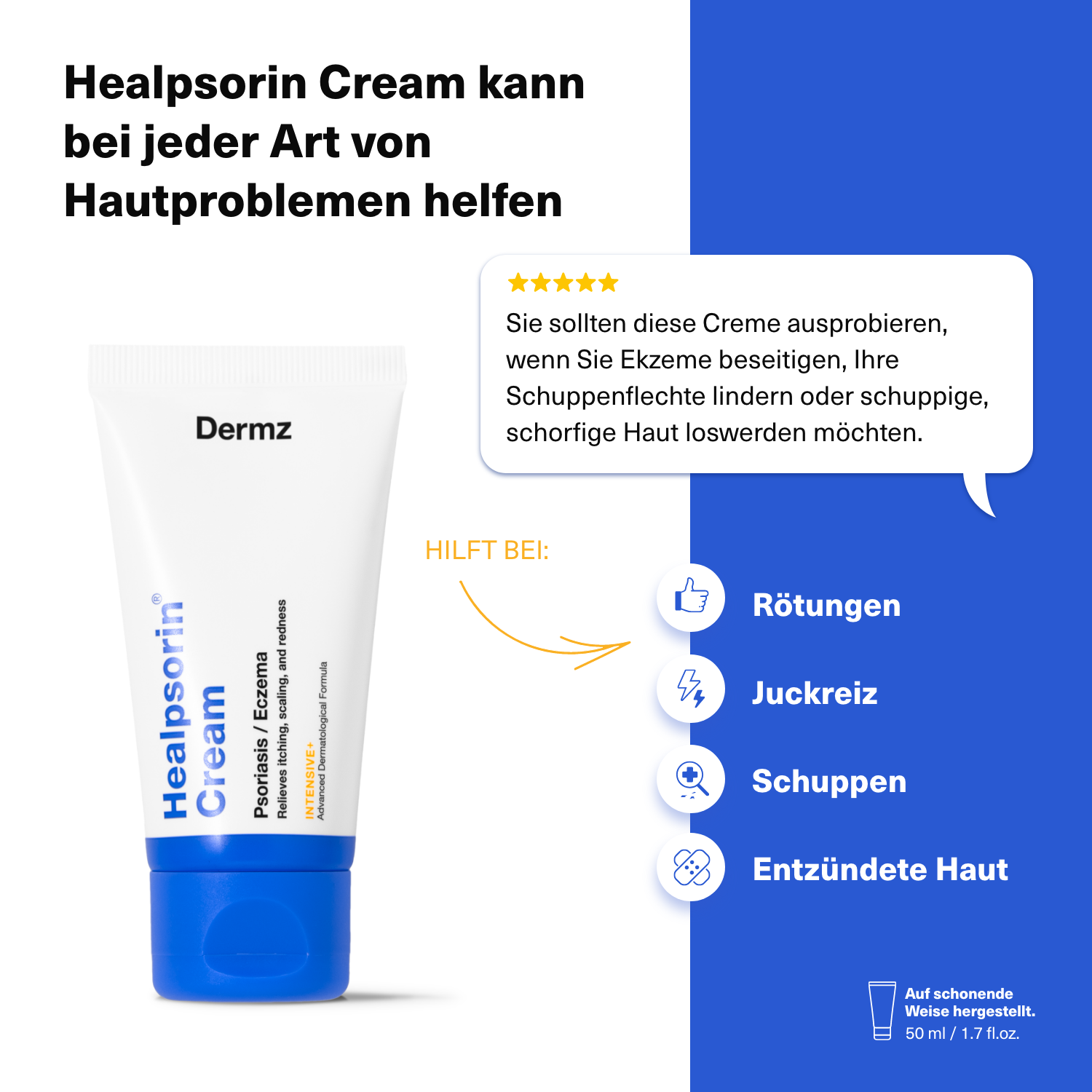
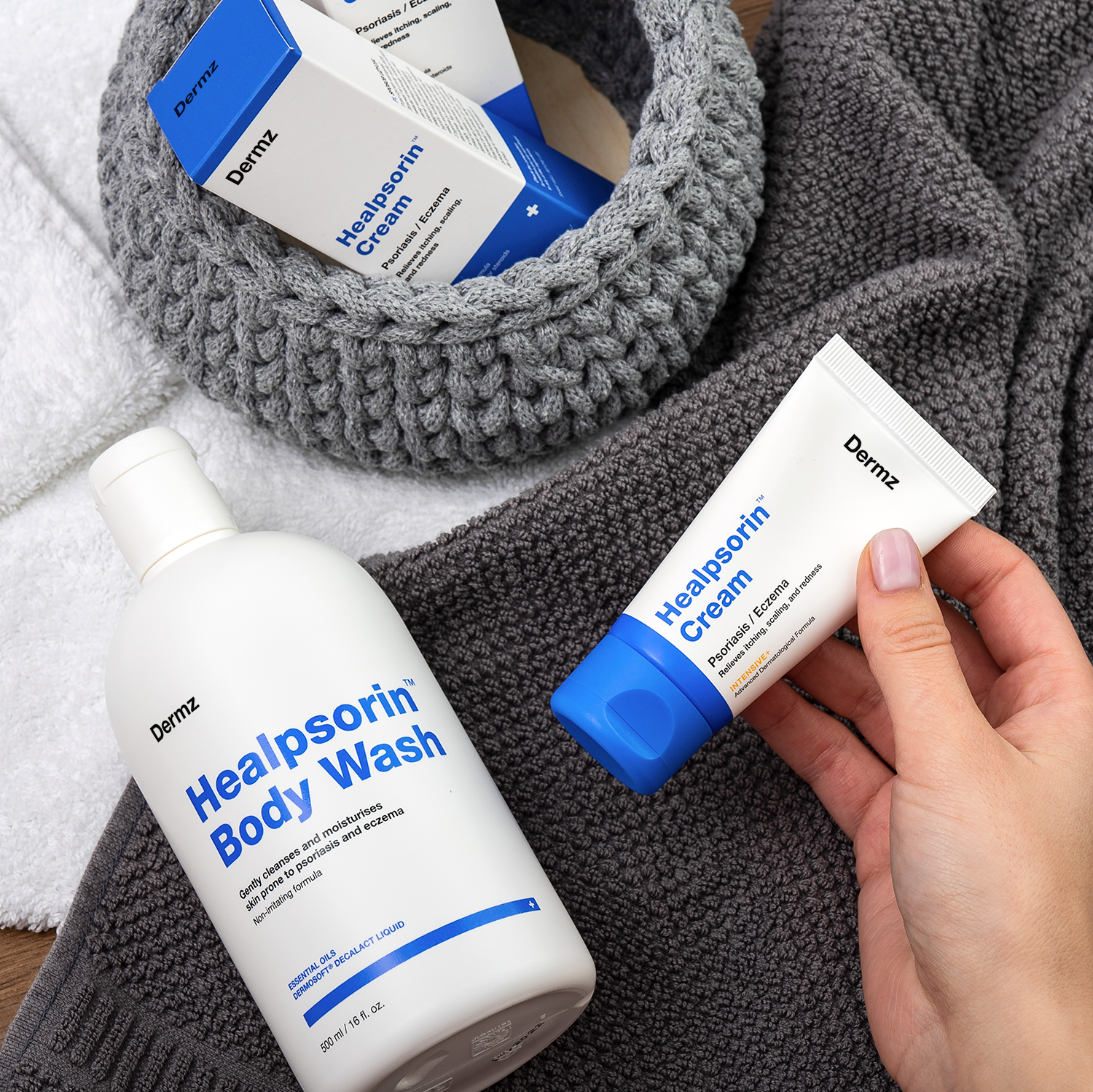
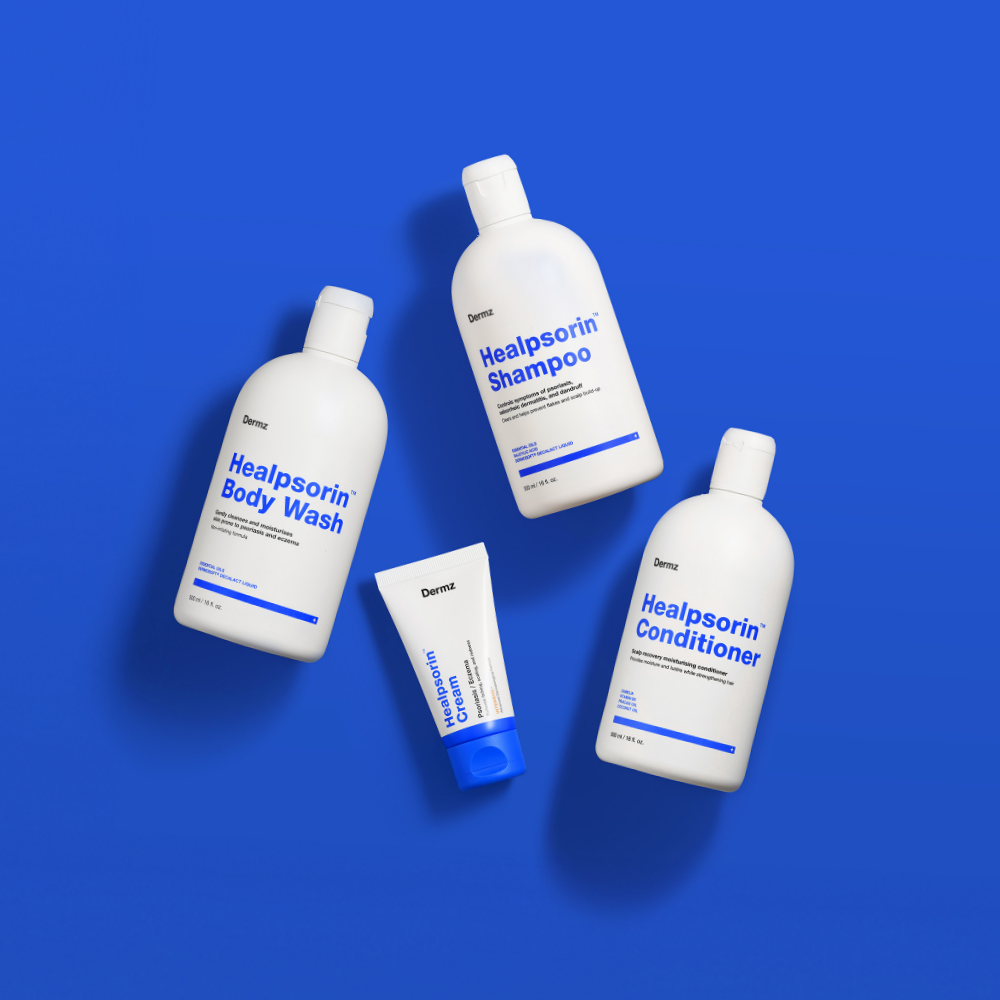
The key is gentle cleansing and intensive rebuilding. The Healpsorin line was created precisely for this purpose. Instead of burdening the skin with large amounts of paraffin that merely cover the problem, it relies on ingredients that actively support regeneration:
- Natural Emollients: Create a protective layer that actually retains water.
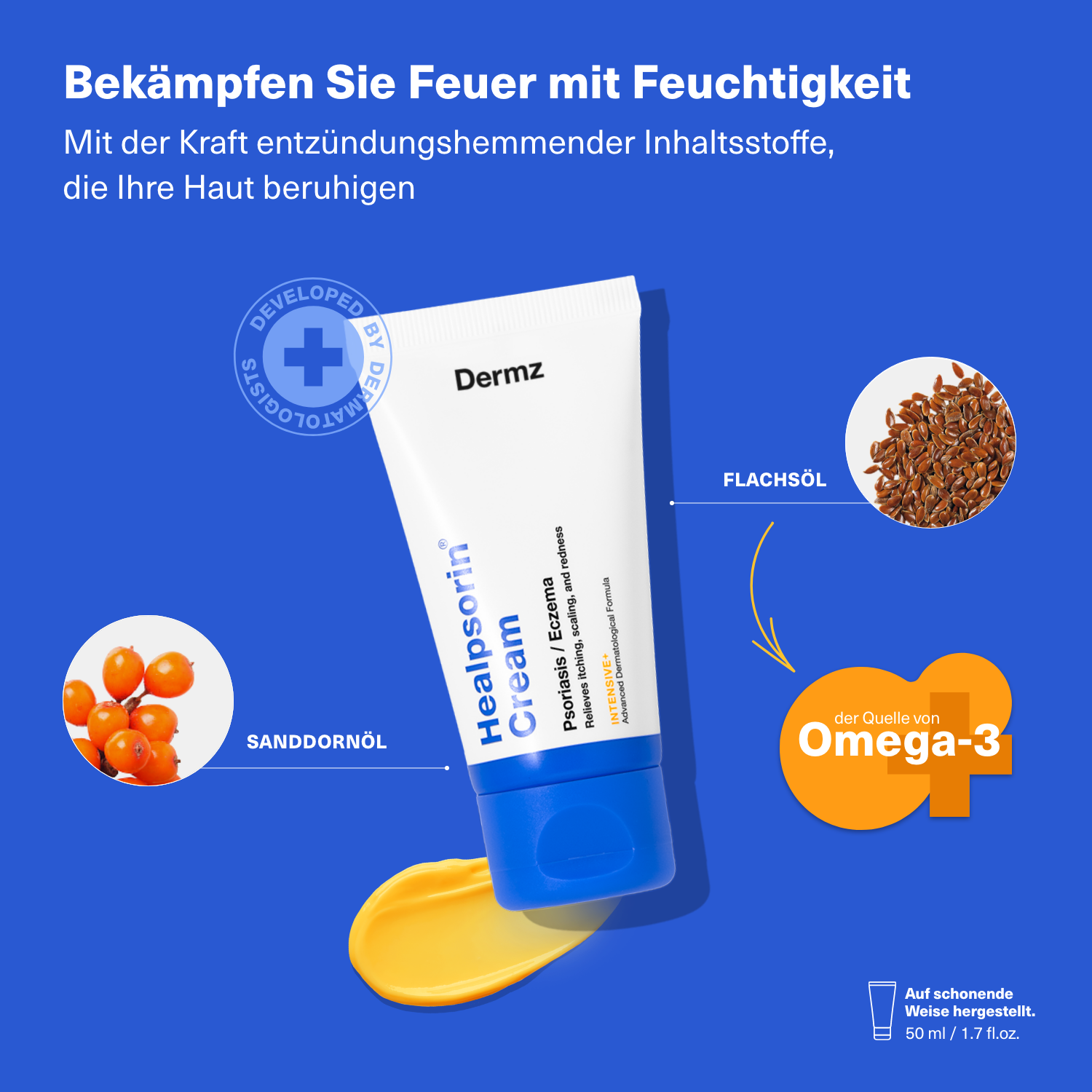
- Soothing Agents: Targeted at combating inflammation, e.g., in Healpsorin Cream.
This is targeted therapy: treating inflammation, regenerating the barrier, not just "moisturizing."
Does aggressive cleansing of acne-prone skin not worsen its condition?
Absolutely, yes. This is one of the most common mistakes. Many of us believe that acne is dirty, oily skin that needs to be dried out and stripped of all oil. Aggressive cleansing (e.g., with alcohol-based gels) leads to damage to the lipid barrier, resulting in skin dehydration and, paradoxically, increased sebum production (rebound effect).
➡️ See also: Night revolution: how your cream might hinder acne skin regeneration
The Vitumisil line is an example of a modern fight against acne that is based on balance. Instead of drying out and irritating, it focuses on:
- Sebum Regulation: Ingredients that normalize the function of the sebaceous glands.
- Antibacterial Action: Targeted combat against P. Acnes bacteria.
- Regeneration: Ingredients that soothe redness and accelerate healing without scarring (e.g., Vitumisil Active Night Cream).
This approach treats acne by restoring a healthy balance, rather than dragging the skin into a vicious cycle of excessive dryness and oiliness.
Specialized regeneration - hair, body and infants
Where does the problem with weak hair begin - in the hair itself or the scalp?
The problem of weak hair, hair loss, or dandruff always starts in the scalp. Hair is healthy only when the hair follicle from which it grows is properly nourished and embedded in healthy, non-inflamed tissue. If you use an aggressive shampoo with strong detergents, you get a short-term "clean" effect, but you destroy the scalp's ecosystem - you provoke seborrhea, irritation, and weakening of the hair bulbs.
Dermocosmetics for hair focus on treating the skin:
- Healpsorin: For scalp with psoriasis and severe dandruff. Gently cleanses, actively regenerates, and soothes inflammation.
- HairLXR: For strengthening and regeneration. Uses active ingredients, that nourish the follicle and strengthen the hair structure from within, not just coat it.
Why does infant skin require the avoidance of all irritating fillers?
Infant skin, especially that of newborns, is thinner, its pH is different, and the protective barrier is not yet fully formed, making it extremely sensitive to any irritating substances and fillers. For a young child's skin, especially one prone to atopy, aggressively advertised cosmetics, even those "for children," can be very harmful. Artificial fragrance in a lotion can cause irritation that later turns into chronic inflammation or a flare-up of atopy.
The Healpsorin Baby line is a model approach to conscious care, where minimalism in composition goes hand-in-hand with maximum quality and safety. It focuses solely on ingredients that are safe and proven in regeneration, supporting the natural flora and strengthening the hydrolipid barrier.
Summary and the future of skincare
What is the fundamental difference between a cosmetic and a dermocosmetic and what does it imply?
A cosmetic is a product intended for beautifying, cleansing, and improving appearance, while a dermocosmetic is a specialized product that combines cosmetic functions with therapeutic or medicinal effects, often recommended by dermatologists due to the high concentration of active ingredients and the purity of the formula.
Dermocosmetics, such as those offered by Dermz Labs, have a clear goal: to deliver the highest concentration of ingredients that genuinely solve the problem to the skin. You pay for the action, not for pretty packaging and a marketing promise.
- Fewer Fillers: Lower risk of irritation.
- More Active Ingredients: Faster and more lasting regeneration.
- Synergy of Action: Ingredients are chosen to mutually enhance their effects.
Choosing a dermocosmetic is a decision that pays off in the long run - less expense on treating the consequences of poor care, more comfort, and healthier skin. This is the future of skincare - knowledge instead of trends.
FAQ: frequently asked questions
1. How long does it take to see the effects of conscious regenerative skincare?
The effects of temporary masking are visible almost immediately but fade quickly. Regeneration requires patience and time, as the skin needs about 28 days for a full epidermal renewal cycle. Lasting effects (e.g., reduced inflammation, barrier rebuilding) are usually noticeable after 4 to 8 weeks of regular use of clean and active dermocosmetics. In chronic conditions like psoriasis, maintaining the routine is key, and relief from itching often occurs sooner.
2. Are expensive cosmetics always synonymous with regenerative action?
Not always. The price often reflects the costs of marketing, packaging, not the concentration of active ingredients or the purity of the formula. The key is reading the ingredient list (INCI). It's worth investing in products with high concentrations of proven regenerative substances (e.g., peptides, ceramides, plant extracts) and a low content of fillers and irritating additives, which is characteristic of dermocosmetics. You're not overpaying for the brand, but for the effectiveness and safety of the ingredients.
3. I have acne - should I completely avoid moisturizing/oil-containing products so as not to clog pores?
This is a common mistake. Acne-prone skin needs hydration and lipids to rebuild its barrier and stop defending itself with excessive sebum production. Instead of giving up moisturizing, you should choose "non-comedogenic" (non-clogging) products rich in regulating ingredients, such as those from the Vitumisil line. Moisturizing reduces inflammation and accelerates the healing of lesions, provided the cream does not contain heavy, comedogenic fillers.
4. Can I combine Dermz Labs dermocosmetics with other brands in my routine?
Yes, but always do so carefully. Dermz Labs products are designed for synergistic action and high formula purity. When combining them with other brands, make sure the latter do not contain substances you are trying to avoid (e.g., strong alcohols, irritating fragrances, SLS). Introducing a new product should be done gradually, and in the case of problematic skin (e.g., Psoriasis), it's best to stick to one proven line.
5. How can I tell if an ingredient in a cosmetic is an irritating filler, and not an active component?
Irritating fillers are often found at the beginning of the INCI list (indicating a high concentration) and are usually substances whose sole purpose is to change consistency or fragrance. Examples include: Alcohol Denat (in high concentration), Sodium Laureth Sulfate (SLES), Parfum (when it's at the beginning of the list, not the end). Active ingredients (e.g., Niacinamide, Ceramide NP, plant extracts) usually have a defined role in treatment and should be in the middle or at the beginning of the list, at an appropriate concentration.
6. What is the hydrolipid barrier and why is it so important for regeneration?
The hydrolipid barrier is the skin's outer protective layer, composed of water and lipids (fats). It acts as a shield - protecting against moisture loss and the penetration of pathogens, allergens, and pollution. Damage to this barrier (e.g., by aggressive washing) leads to dehydration, inflammation, and hyper-reactivity. Regenerative care, such as in the Dermz Labs lines, always aims to rebuild and strengthen it, which is the foundation of healthy skin.
7. Is the Healpsorin Baby line intended only for atopic skin?
The Healpsorin Baby line was created with maximum gentleness and safety in mind, making it ideal for atopic and eczema-prone skin. However, due to its pure, filler-free, and emollient-rich composition, it is excellent for every infant and child - even those without skin problems - as a preventative measure and a way to strengthen the natural protective barrier from the very first days of life.